


Blind cleaning businesses lose winnable jobs in a narrow window: a facility manager or homeowner searches, compares two or three providers, and books before your team even knows the lead existed. Prospects who never fill out a form or call in stay invisible to the CRM, and by the time a lead does come through, a competitor has often already scheduled the walkthrough. Google Ads, used well, closes that window, putting your business in front of buyers at the moment they're searching for ultrasonic cleaning, blind repair, or commercial contract service. Paired with your other marketing channels, it also lets you track which clicks turn into paying customers and prioritize the accounts most likely to convert.
How to Generate Google Ads for Blind Cleaning Leads: A Step-by-Step Guide

Precision in digital marketing unlocks higher-quality leads for blind cleaning businesses. By leveraging a data-centric approach, revenue teams gain clarity on which accounts engage with key touchpoints, enabling targeted follow-up and efficient pipeline development.
Granular account-level insight is foundational for effective PPC for blind cleaning. When you know which companies interact with your website, you can align messaging and offers to the right stage of the buyer’s journey, improving both conversion rates and sales velocity. Integrating visitor identification tools with your ad campaigns allows marketers to move beyond anonymous clicks and capture actionable company-level intelligence.
Audience and keyword targeting must be purpose-built for the nuances of advertising blind cleaning. Rather than relying on generic search terms, segment your campaigns by service verticals such as residential, commercial, or ultrasonic cleaning. Use local intent keywords and negative keyword lists to avoid wasted spend. Dynamic audience segmentation, powered by behavioral signals, refines targeting as buyers progress, allowing you to trigger relevant ads or retargeting based on real-time engagement. For a list of high-performing cleaning service keywords, explore top keywords for cleaning services.
Landing page and creative optimization is essential for maximizing the impact of your Google Ads campaigns for cleaning services. Every element, from headline to call-to-action, should align with search intent and move prospects closer to conversion. High-performing teams routinely test messaging variants, adapt value propositions to match in-market behavior, and streamline conversion paths to reduce drop-off. When CRM and ad platforms are tightly integrated, enriched lead and account data automatically syncs across systems, ensuring that campaign audiences and follow-up actions are always current.
Continuous performance optimization, anchored by robust measurement, is critical for sustaining strong Google Ads ROI for cleaning businesses. Advanced conversion tracking, including both online and offline events, gives a complete picture of marketing’s impact throughout the sales process. By measuring true ROI at every touchpoint, marketers can quickly identify what is driving revenue and shift budget toward high-performing keywords, audiences, and creatives.
A cross-channel ecosystem keeps messaging and measurement consistent across every digital touchpoint. When ad, website, and CRM data flow together in real time, campaigns adapt to shifting buyer intent, and every marketing dollar is tracked from first click to closed deal. This unified approach to Google Ads for blind cleaning helps revenue teams outpace competitors who are still guessing at attribution. Ready to elevate your campaigns? Get started for free with Sona.
Why Google Ads Matters for Blind Cleaning

Google Ads elevates blind cleaning businesses by connecting them with qualified customers precisely when demand peaks. This platform enables companies to intercept high-intent searchers before competitors, ensuring that outreach occurs at the critical decision-making moment. Explore top Google Ads strategies for cleaning services to enhance your campaign planning.
Traditional advertising in the cleaning industry often leads to delayed responses and wasted spend, whereas Google Ads delivers instant visibility to those searching for specialized services. By harnessing detailed audience targeting, businesses can identify and engage prospects in newly developing or underserved regions, expanding their market share efficiently.
For B2B revenue teams, Google Ads for blind cleaning provides unmatched transparency and control. Marketers can pinpoint which companies and individuals are interacting with ads, moving beyond generic web traffic to identify actionable opportunities.
Advanced measurement and analytics link every ad click to both online engagements and offline transactions, bringing clarity to campaign ROI. With the right data infrastructure, teams can continuously optimize campaigns, align ad efforts with CRM systems, and ensure that high-fit leads receive tailored follow-up.
Common Types of Google Ads Campaigns for Blind Cleaning Services
- Search Campaigns: Search campaigns capture demand from prospects who are actively searching terms like "blind cleaning near me" or "ultrasonic blind cleaning services." By focusing ad spend on these high-intent keywords, blind cleaning companies ensure their offers surface for buyers with immediate needs. Within Search, Responsive Search Ads let you test multiple headlines and descriptions so Google can serve the combination most likely to convert. With Sona's Identity Resolution, marketers can go beyond anonymous clicks, pinpointing which companies are searching and prioritizing outreach to those showing strong buying signals.
- Display Ads: Display ads keep your service top-of-mind as decision-makers browse relevant blogs, forums, and industry news sites. These visual placements reinforce your brand to users who may have researched blind cleaning but are not yet ready to convert. When Sona Audiences are built dynamically and synced with CRM data, your ads can automatically prioritize high-fit accounts and update as contacts move through the sales funnel.
- Video Ads: Video campaigns offer a powerful way to educate both commercial and residential buyers about the value of advanced offerings like ultrasonic cleaning. Short explainer videos can showcase cleaning processes, certifications, and before-and-after results, building trust and credibility. A useful overview of the ultrasonic blind cleaning process can visually demonstrate your expertise and support buyer education. Marketers leveraging real-time engagement data can shift ad budgets to video placements that drive the highest interaction and conversion rates.
- Remarketing: Remarketing re-engages website visitors with tailored ads that reflect their previous interactions and current intent. By integrating Sona Buyer Journeys, remarketing lists can target users who requested quotes, viewed pricing, or engaged with specific service pages. This approach ensures offers remain relevant and personalized, while advanced systems update audiences automatically as buyer intent shifts.
- Assets: Ad assets (formerly called extensions) add critical business information directly to search ads, including location, service hours, and certifications. These enhancements boost credibility and improve click-through rates by giving prospects quick access to essential trust factors. When asset data is kept current and integrated with your Sona Destinations, it amplifies your presence in local search and streamlines the path to conversion.
Where to Find Growth Opportunities

Modern blind cleaning businesses drive sustainable growth by zeroing in on specialty segments where intent to purchase is highest. Identifying and targeting vertical keywords aligned with ultrasonic cleaning, eco-friendly processes, or commercial-grade services ensures ads resonate with prospects who are actively seeking solutions, not just browsing. This approach increases relevance, raises quality scores, and consistently delivers higher conversion rates, see how top keywords for cleaning services can enhance your targeting strategy.
Analyzing competitor gaps unlocks untapped audiences before they become saturated. Using Sona's Intent Signals, marketers can pinpoint underserved geographies or service categories, then allocate budget to intercept these prospects early. By leveraging real-time insights into in-market behaviors, B2B teams shift spend toward high-converting accounts and away from low-yield placements, maximizing every advertising dollar.
Industry-specific placements provide an edge where organic reach is limited. Blind cleaning services can place ads on trade forums, facility management communities, or building maintenance directories, ensuring their brand remains visible across the buyer journey. Dynamic audience syncing allows for seamless updates as leads engage with content, keeping blind cleaning businesses top-of-mind as prospects move from awareness to evaluation.
Content retargeting transforms educational articles, guides, or demo videos into high-performing lead nurturing tools. When visitors interact with in-depth content about ultrasonic cleaning methods or allergy reduction benefits, their engagement signals are captured and used to trigger personalized follow-up ads. With advanced attribution connecting online and offline touchpoints, blind cleaning companies can measure the true ROI of nurturing campaigns, refining messaging and budget allocation for the best possible outcomes. Syncing enriched lead profiles directly into platforms like Google Ads or Salesforce ensures that every follow-up effort is timely and relevant, driving higher conversion rates and faster pipeline velocity.
How to Apply Audience Segmentation for Blind Cleaning

Segmenting your audience is the foundation of any effective Google Ads strategy for blind cleaning services. Businesses achieve greater ROI and higher conversion rates by precisely defining segments based on the types of establishments they serve, such as residential homes versus commercial properties. This tailored approach prevents wasted ad spend and ensures each campaign speaks directly to the unique needs of its intended audience. For an in-depth look at marketing tactics specific to this industry, explore these blind cleaning service marketing strategies.
Overlaying Sona's Intent Signals brings additional clarity, letting you distinguish between prospects seeking routine cleaning and those in urgent need of emergency blind restoration, a distinction that matters in a trade where storm damage, tenant turnover, or a failed inspection can turn a routine inquiry into a same-week job. By prioritizing leads who show clear buying signals, such as recent site visits or specific search behavior, marketers can shift budget toward accounts primed to convert. Sona's Identity Resolution makes it possible to pinpoint the companies engaging with your ads, powering more relevant follow-up and sharper lead scoring.
Ad group customization is essential when managing segmented campaigns for Google Ads for Blind Cleaning. By aligning messaging, creatives, and budget allocation at the account level, you ensure each segment receives personalized content and the right investment. For example, commercial accounts can be served with bulk discount offers and flexible scheduling, while residential leads receive messaging focused on convenience and in-home safety. As leads move through the funnel, dynamic audience management automatically updates segment membership, refining targeting and maximizing efficiency across all touchpoints.
Validating conversion paths is crucial for tracking campaign performance and closing the loop between marketing and sales. Seamless CRM integration ensures every qualified lead is captured, routed, and attributed correctly, whether the initial contact was online or via a phone call. Synchronizing enriched audience data into Google Ads, HubSpot, or Salesforce lets revenue teams act promptly, cut lead response times, and measure true marketing impact, so it's clear which campaigns are driving real business outcomes.
This is also where measurement changes the economics. With Sona Marketing Measurement you can identify the companies behind your ad clicks, not just anonymous sessions, and segment audiences by who actually becomes a customer. That lets you build bid adjustments and audience signals around the segments that convert and de-prioritize the ones that don't, so you feed Google's algorithms "this click became a paying blind cleaning customer" instead of just "someone filled out a form."
Keyword Strategy & Sample Target Terms
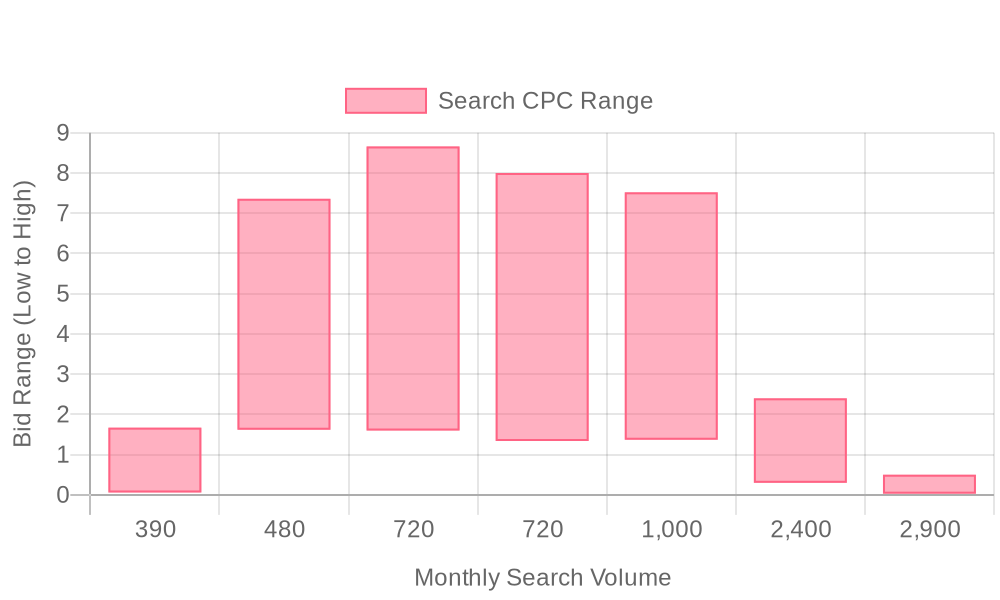
| Industry | Keyword | Monthly Search Volume | Competition Level | Low Bid | High Bid |
| Blind Cleaning | venetian blind cleaner | 390 | HIGH | 0.06 | 1.67 |
| Blind Cleaning | blinds cleaning service | 480 | MEDIUM | 1.62 | 7.36 |
| Blind Cleaning | blind cleaning near me | 720 | MEDIUM | 1.6 | 8.66 |
| Blind Cleaning | blind cleaning services near me | 720 | MEDIUM | 1.34 | 8 |
| Blind Cleaning | blind cleaning service | 1000 | MEDIUM | 1.37 | 7.52 |
| Blind Cleaning | blind cleaning | 2400 | HIGH | 0.3 | 2.4 |
| Blind Cleaning | best way to clean blinds | 2900 | HIGH | 0.03 | 0.5 |
Blind cleaning businesses experience the highest lead conversion rates by focusing on search intent and aligning every keyword with distinct service offerings. Strategic keyword targeting ensures campaigns intercept high-value prospects as they actively seek solutions, capturing them at the exact moment of need and outperforming generic outreach.
- Precision Targeting: Using hyper-local keywords like "blind cleaning near me," "ultrasonic blind cleaning Seattle," and "commercial blind cleaning services," campaigns reach decision-makers right as they search for services. Audience segmentation refines this further, filtering by location, intent, and business type. Sona's Identity Resolution turns anonymous site traffic into actionable data, letting marketers see which companies are researching blind cleaning and tailor messaging or bidding accordingly.
- Measurable ROI: Every dollar spent can be tracked to a specific touchpoint, ensuring that the cost of Google Ads for cleaning services is directly tied to revenue outcomes. Advanced conversion tracking capabilities bridge online and offline activity, attributing every lead or booked appointment back to the originating keyword or campaign. This transparency enables revenue teams to make data-driven budget decisions, shifting spend to the highest-performing search terms and maximizing Google Ads ROI for cleaning businesses.
- Channel Synergy: Remarketing lists built from prior site visits, quote requests, or demo signups enable continuous engagement across Google Display, YouTube, and even social platforms. Dynamic audiences update in real time as prospects move through the funnel, ensuring that high-intent leads receive the most relevant follow-up regardless of channel. When enriched audiences and new leads are automatically synced from CRM systems into Google Ads campaigns, teams maintain cross-channel consistency and eliminate manual data gaps, amplifying the impact of every advertising dollar.
By targeting sample keyword clusters such as "PPC for blind cleaning," "advertising blind cleaning," "Google Ads campaigns for cleaning services," and "best practices for Google Ads," marketers can create granular ad groups for every service type and buying stage. This approach not only improves quality scores and lowers cost-per-click, but also drives measurable outcomes that feed directly into pipeline attribution and revenue reporting. To see how effective keyword strategy can transform your blind cleaning business, get started for free with Sona.
Step-by-Step Campaign Execution Framework
Step 1: Build Targeted Keyword Lists
A precision-built keyword list is essential for Google Ads for Blind Cleaning. Successful campaigns blend service-specific phrases such as "ultrasonic blind cleaning," geographic modifiers like "blind cleaning Seattle," and long-tail queries such as "how to remove stains from fabric blinds." Incorporating question-based keywords addresses active search intent from users seeking immediate solutions. To maximize efficiency, negative keyword filters remove irrelevant traffic, preventing wasted budget on DIY researchers or unrelated cleaning services. Marketers can reference top keywords for cleaning services to further optimize their campaign targeting.
With advanced data tools, marketers can identify which visitors and companies are engaging with these targeted terms. Sona's Identity Resolution reveals high-intent accounts and lets B2B revenue teams focus spend where it delivers the greatest impact. As audiences update based on in-market behavior, dynamic segmentation with precise audience intelligence ensures each prospect receives the right messaging as they progress from research to decision.
The upgrade most blind cleaning advertisers miss is going beyond raw keyword volume to layer in intent and identity signals. By connecting website-visitor data and CRM records with Sona Marketing Measurement, you can see which specific search terms bring in the accounts and customers that actually convert, and weight your keyword and bidding strategy toward those rather than the terms with the highest search volume alone.
Step 2: Write Compelling Ad Copy
Effective ad copy for advertising blind cleaning must address industry stress points, such as concerns about allergen removal, fabric safety, or rapid turnaround. Headlines that spotlight "certified ultrasonic cleaning" or "eco-friendly blind sanitizing" generate trust and speak directly to the needs of property managers and commercial buyers. Timely engagement is driven by emphasizing exclusive offers, such as "book this week for a complimentary onsite assessment" or "limited-time discounts for new contracts." Reference Google Ads strategies for cleaning services to inspire high-converting copy and offers.
By integrating real-time intent signals, marketers can personalize ad messaging to match the individual pain points and urgency levels of each visitor. For example, if a company demonstrates repeat interest in emergency blind cleaning, ads can dynamically update to feature expedited response services, ensuring relevance and improving conversion rates.
Step 3: Design Effective Landing Pages
High-performing Google Ads campaigns for cleaning services require direct keyword-to-landing-page alignment. Users who click on "commercial blind cleaning Seattle" should arrive at a page that reinforces the exact service, displays local credentials, and presents clear next steps. Reviewing a Google Ads case study for a cleaning company can reveal best practices for landing page messaging and conversion elements.
CRM feedback loops surface the most effective content elements, enabling continuous optimization of form layouts, call-to-action placement, and mobile responsiveness. Including client testimonials, ROI calculators, and answers to common queries builds credibility and accelerates decision-making for both small businesses and enterprise buyers. Seamless integration with Sona ensures enriched lead data flows directly into sales pipelines, shortening response times and enabling personalized follow-up.
Step 4: Apply Data-Driven Optimization
Ongoing campaign performance depends on robust micro and macro conversion tracking. Marketers monitor granular actions, such as form fills, direct calls, or quote requests, alongside broader KPIs like cost per acquisition and overall ROI for cleaning businesses. Automated bidding strategies leverage real-time data inputs, allowing budgets to adjust dynamically according to account activity, seasonality, and conversion likelihood. For more insights, explore offline attribution techniques that can close the loop on conversions beyond digital touchpoints.
Advanced attribution gives full visibility into both online and offline conversions, measuring the true impact of each campaign. This holistic view lets B2B teams refine audience segments, retarget high-potential visitors, and continuously improve their Google Ads strategy for blind cleaning.
Sona Marketing Measurement closes the gap between clicks and revenue. It captures ad clicks with first-party, company-level tracking, ties that click through UTM capture and ad-platform APIs to the actual record in your CRM, and reports ROAS by keyword and campaign instead of by last-click form fill. Feeding that revenue signal back into Smart Bidding and Performance Max compounds over time: the algorithms optimize toward booked blind cleaning revenue, not cheap leads.
Tips on Expanding Your Blind Cleaning Presence
Blind cleaning businesses can achieve stronger market presence by continuously nurturing both new and existing audiences with value-driven campaigns. Precise, data-backed segmentation and dynamic engagement strategies are essential for capturing high-intent demand and driving repeat business, and Sona’s Audiences tool enables teams to build real-time, signal-based segments for hyper-targeted outreach.
Leverage retargeting to cross-promote educational content, ensuring your brand stays top-of-mind throughout the buyer journey. By identifying visitors and dynamically segmenting them based on their on-site behavior, you can deliver tailored resources, such as care guides or maintenance tips, to prospects who have already engaged with core service pages. Advanced identification solutions help recognize anonymous traffic and enrich CRM profiles, while this ultrasonic blind cleaning demo visually educates prospects and supports your nurture strategy.
Segment audiences using CRM-derived insights and upsell or cross-promote services to prospects who display real buying signals. When you unify go-to-market data, every Google Ads for Blind Cleaning campaign benefits from real-time intent signals and audience enrichment, ensuring ad spend is directed toward prospects with the highest likelihood of conversion. To see how other cleaning businesses excel with paid ads, check out this Google Ads success story.
Partnering with relevant industry groups creates referral opportunities and amplifies campaign reach. Joint webinars or co-branded content with interior designers, property management associations, or commercial cleaning networks help tap into high-value audiences. By tracking engagement and conversions from these partnerships in your attribution model, revenue teams can accurately measure the impact of each initiative and double down on channels delivering proven results.
Focusing on regional targeting strategies increases visibility where blind cleaning services are in highest demand. Data-driven advertisers analyze local search trends to identify geographic pockets with surging interest, adjusting budgets and bid strategies accordingly. Real-time intent data allows for agile shifts in spend, ensuring you reach both residential and commercial accounts actively searching for "ultrasonic blind cleaning" or "office blind cleaning near me" in high-value metro areas.
Utilize search query data to uncover new content marketing opportunities and enrich the user journey. By analyzing what prospects are searching for, marketers can create relevant resources, such as how-to videos, FAQ pages, or seasonal cleaning tips, that resonate with buyers at each stage of the funnel. Explore top cleaning service keywords to optimize your content and keep your brand visible throughout the research and purchase cycles. To see how these strategies can be automated for your pipeline, get started for free with Sona.
Beyond Google Ads: Winning the AI Answers Blind Cleaning Buyers Now Trust
Paid search captures demand at the moment someone types a query. But a fast-growing share of blind cleaning buyers no longer start at Google at all, they ask ChatGPT, Gemini, or Perplexity before they ever run a search, and Google's own AI Overviews increasingly summarize an answer above the traditional results. If your business isn't referenced in those AI answers, you're invisible at the exact moment buyers build their shortlist.
Sona AI Visibility shows where your business shows up across ChatGPT, Gemini, Perplexity, Google AI Overviews, and 10+ engines, and, much like a keyword report, which prompts actually send you buyers, so you can prioritize the ones that convert. Run the two together and you cover the entire buyer path: get cited where buyers research (AI Visibility), then prove which of that demand turns into booked revenue (Marketing Measurement).
Helpful resources
Conclusion
The businesses winning in blind cleaning right now aren't just running more ads, they're the ones who can say which keyword, campaign, and account actually turned into booked revenue, and who show up when buyers ask an AI assistant for a recommendation before they ever type a search. That combination, tight keyword and audience targeting fed by real conversion data, plus visibility in the AI answers buyers now consult, is what separates a growing service area from one that's still guessing at attribution.
We invite you to start for free and see how unifying your go-to-market data turns ad spend into measurable pipeline.
FAQ
How can I create effective Google Ads for my blind cleaning business?
To create effective Google Ads for your blind cleaning business, use precision targeting with service-specific phrases, optimize landing pages to align with search intent, and integrate visitor identification tools for actionable intelligence.
What budget should I allocate for Google Ads in the cleaning industry?
The budget for Google Ads in the cleaning industry should be dynamic, shifting towards high-performing keywords and audiences as indicated by advanced conversion tracking results.
What keywords should I target for blind cleaning ads?
Target hyper-local and service-specific keywords like 'ultrasonic blind cleaning,' 'blind cleaning near me,' and long-tail queries to capture high-intent searchers.
Are there specific strategies for Google Ads in the cleaning sector?
Yes, specific strategies include segmenting campaigns by service verticals, using local intent keywords, optimizing landing pages, and leveraging remarketing to engage high-intent leads.
How do I measure the success of my Google Ads for blind cleaning?
Measure success through advanced conversion tracking, which links online engagements and offline transactions to campaign ROI, allowing for data-driven budget adjustments.







