Band competitions run on a strange split-screen calendar: months of local qualifiers, entry deadlines, and school-season buzz, followed by a compressed sprint of ticket sales as the finale approaches. That rhythm makes online and offline promotion inseparable. Social posts and email nurture keep alumni bands and repeat sponsors warm between seasons, word-of-mouth in music circles still fills rosters, and Google Ads does the work neither can: catching a band director or a ticket buyer at the instant they search for a competition to enter or attend. For organizers and promoters, that middle-funnel role, turning searchers into registrants and ticket holders, is where Google Ads earns its budget.
How to Generate Google Ads for Band Competitions Leads with Google Ads: A Step-by-Step Guide
Driving high-quality leads for band competitions requires more than standard advertising tactics. Success hinges on precise targeting, actionable data, and a unified approach that aligns marketing and sales objectives. Explore practical strategies and expert tips in our demand generation playbooks to further boost your campaign performance.
Modern revenue teams in the music industry benefit from seamless integration between their ad platforms, CRM systems, and audience insights. By leveraging real-time audience data, marketers can pinpoint engaged fans, optimize spend, and demonstrate true return on ad investment for band competitions.
Step 1: Build Targeted Keyword Lists
Effective lead generation for band competitions starts with keyword lists built around how people actually search during entry season: "band competition entry," "music contest for bands," "local band battle registration," and city- or region-specific variants tied to school calendars and festival dates. Because interest spikes around registration deadlines and dips outside competition season, keyword volume and competition should be checked against the calendar, not just against each other. For a musician's guide to setting up campaigns, see how to advertise your music using Google AdWords.
Dynamic audience data from unified platforms allows marketers to continually refresh keyword strategies based on real-time search trends and in-market behaviors. This enables agile optimization as audience interests shift, driving higher lead quality and conversion rates.
The upgrade most band competitions advertisers miss is going beyond raw keyword volume to layer in intent signals and company-level identity data. By connecting website-visitor data and CRM records with Sona Marketing Measurement, you can see which specific search terms bring in the schools, sponsors, and repeat entrants that actually register and pay, and weight your keyword and bidding strategy toward those rather than the terms with the highest search volume alone.
Step 2: Design Audience Segments
Segmenting audiences is critical for reaching decision-makers, band members, and music event organizers. Start by defining segments based on demographics, location, music genre interest, and engagement history. Utilize CRM integration to sync enriched contact data, ensuring your Google Ads campaigns reflect your most up-to-date intent signals.
With Sona's Identity Resolution, marketers can identify the schools, music programs, and organizations behind anonymous site visits and retarget high-potential leads with tailored ads. This precision targeting increases event registrations and competition entries. For more on tailored segmentation strategies, visit our marketing analytics blog.
Step 3: Develop Compelling Ad Creative
Craft ad copy and visuals that resonate with musicians and event organizers. Highlight unique benefits of your band competition, such as exposure opportunities, prizes, and event details. Use dynamic creative to personalize messaging based on audience segment and previous interactions. Review this YouTube tutorial for actionable creative tips.
For music industry campaigns, incorporating video ads or audio snippets can further engage targeted bands. A/B test different creative formats to identify which messages drive the highest click-through and conversion rates using dynamic audience insights.
Step 4: Set Up Conversion Tracking
Implement robust conversion tracking to measure the true impact of your Google Ads campaigns. Define primary conversion actions, such as form submissions for competition entry, downloads of event info packets, or signups for event notifications.
Advanced attribution solutions unify online and offline conversions, tying ad clicks directly to band registrations and ticket sales. This full-funnel attribution enables marketers to allocate budget efficiently, focusing on channels and audiences that deliver measurable results.
Sona Marketing Measurement closes the gap between clicks and revenue. It captures every ad click with first-party measurement, ties that click through UTM capture and ad-platform APIs to the actual record in your CRM, and reports ROAS by keyword and campaign instead of by last-click form fill. Feeding that revenue signal back into Smart Bidding and Performance Max compounds over time: the algorithms optimize toward booked band competitions revenue, not cheap leads.
Step 5: Launch, Monitor, and Optimize
Once campaigns are live, watch cost per lead, conversion rate, and audience engagement closely and often. Set up automated rules to adjust bids, pause underperforming ads, and reallocate spend to high-converting segments. Learn from real-world experiences in this Reddit thread.
Machine learning and real-time intent data from Sona Audiences power ongoing optimization. As bands move through the funnel, dynamic audience updates ensure ads remain relevant and budgets are directed at the most likely converters. Integrating CRM and ad data provides immediate feedback for rapid testing and iteration, keeping campaigns aligned with lead generation goals.
By following this framework, B2B marketers in the music industry can use Google Ads for Band Competitions to drive participation, maximize ROI, and elevate their event's visibility among top-performing bands.
Why Does Google Ads Matter for Band Competitions?
Digital advertising is essential for band competitions seeking to drive ticket sales, increase event participation, and boost brand visibility. Google Ads provides direct access to music fans actively searching for live experiences, local events, and emerging talent, ensuring promotional spend is focused on high-intent audiences.
With precise audience intelligence, organizers can reach not just genre enthusiasts but also local communities, music educators, and aspiring performers. This level of control makes it possible to allocate budgets efficiently, capturing attention from those most likely to engage or purchase. Real-time data from Google Ads enables rapid adjustments: campaign managers can instantly refine messaging and creative based on which audiences are clicking, converting, and showing intent to attend.
Modern platforms now unify Google Ads data with CRM and event management tools, empowering marketers to move beyond anonymous traffic. Identifying the companies and organizations behind site visits provides a clear path for personalized follow-up, whether nurturing a local school band or engaging regional sponsors. This actionable insight transforms generic campaigns into targeted outreach, maximizing the impact of every impression and click.
Common Types of Google Ads Campaigns for Band Competitions
- Search Campaigns: These campaigns display text ads in Google search results when users query terms related to band competitions, music contests, or local music events. Search campaigns allow music event marketers to capture intent-driven traffic by bidding on high-conversion keywords such as "band competition tickets" or "music contest near me." Leveraging unified go-to-market data ensures the most relevant keywords and negative keyword lists are consistently updated based on audience behavior.
- Display Campaigns: Display ads reach broader audiences across Google's network by placing visually engaging banners or responsive ads on partner sites. For band competitions, display campaigns are instrumental in building awareness among prospective attendees, local music fans, and student groups. Dynamic audience syncing with CRM and event registration data enables marketers to serve creative variations to high-value prospects as they move through the sales funnel.
- Video Campaigns: YouTube video ads offer an immersive way to promote band competitions with event teasers, recap footage, and performer highlights. Video campaigns are effective for capturing the attention of music lovers and encouraging ticket sales or registrations. Real-time intent data helps optimize spend by prioritizing placements in channels and demographics most likely to engage with music event content.
- Discovery Campaigns: Discovery ads display across YouTube, Gmail, and the Google Discover feed, targeting users likely to be interested in music competitions based on their browsing habits. These campaigns are optimized for reaching potential attendees as they explore related content or plan entertainment activities. Integration of enriched lead data ensures discovery audiences reflect the latest prospect and registrant information.
- Performance Max Campaigns: Performance Max leverages automation to run ads across all Google channels, Search, Display, YouTube, Discover, Gmail, and Maps, from a single campaign setup. For band competition organizers, this drives ticket sales and registrations by optimizing creative and placements for the highest ROI. Advanced conversion tracking, including offline sales and form submissions, enables precise measurement of campaign impact on event attendance.
- Remarketing Campaigns: Remarketing targets users who previously visited event pages, viewed ticket options, or engaged with band competition content. These campaigns nurture warm leads and increase conversion rates by delivering personalized ads based on past interactions. Automated audience updates ensure remarketing lists are always current, reflecting new registrants, drop-offs, and high-intent visitors.
Each campaign type offers unique opportunities to engage and convert audiences for band competitions. When data from web, CRM, and offline channels is unified and activated, marketing teams can achieve greater relevance, efficiency, and measurable results. For practical advice, explore this step-by-step guide for musicians on Google Ads.
Where to Find Growth Opportunities for Band Competitions

Identifying scalable growth opportunities for band competitions requires analyzing both digital intent signals and historical performance data. Revenue teams focused on music industry events can leverage audience insights, past attendee profiles, and digital engagement patterns to prioritize where ad spend will have the most significant impact.
Effective growth strategies start by pinpointing where demand surfaces: search queries for local music events, rising interest in regional competitions, and spikes in branded searches for specific bands or festivals. By unifying data from ticketing platforms, social channels, and website analytics, marketers can align their Google Ads campaigns to intercept high-intent prospects at each stage of consideration. For musicians and event organizers new to digital advertising, this step-by-step guide to advertising your music with Google Ads can help you set up and optimize campaigns for maximum visibility and engagement.
Growth also hinges on understanding shifts in audience behavior. For band competitions, that includes tracking when school terms begin, regional competition cycles, or festival seasonality. Real-time visitor identification enables marketers to see which organizations or groups engage with event sites, quickly surfacing new partnership or sponsorship prospects. This intelligence, when synced with Google Ads targeting, ensures budget flows toward audiences with verified interest, reducing waste and maximizing ticket sales or participant registrations.
Successful teams deploy adaptive audience strategies for music promotion, dynamically updating lists as fans move from awareness to action. Integrating CRM and ad platforms further enhances reach, allowing for seamless transition between digital touchpoints and direct outreach. These unified workflows let marketers tap into every growth opportunity for band competitions, from initial buzz to final ticket conversion.
How to Apply Audience Segmentation for Band Competitions
Effective audience segmentation is essential for driving successful campaigns in the competitive band competitions space. By grouping prospects based on shared traits, intent signals, or engagement levels, marketers ensure ad spend is allocated to the audiences most likely to convert. Segmenting by factors such as music genre preference, event attendance history, or geographic proximity to competition venues enables tailored messaging that resonates with each unique group.
For band competitions, leveraging advanced segmentation means identifying schools, music academies, or fan communities that display active interest in similar events. Platforms that unify web, CRM, and behavioral data make it possible to pinpoint not only anonymous site visitors but also companies and organizations with demonstrated intent. When segmentation is refined in real time, campaigns can automatically shift budget toward high-value, in-market accounts, dramatically increasing efficiency.
Audience lists should update dynamically as user activity evolves across digital channels. For instance, as individuals or institutions engage with event content or register for related competitions, they can be moved into higher-priority retargeting segments. This dynamic audience management ensures messaging remains relevant and timely, supporting both ticket sales and brand engagement throughout the campaign lifecycle. Advanced platforms that sync enriched segments directly to Google Ads make this process seamless, allowing for more precise audience building and sustained campaign optimization. If your team is ready to streamline segmentation and targeting, get started for free with Sona.
This is also where measurement changes the economics. With Sona Marketing Measurement you can identify the companies and buyers behind your ad clicks, not just anonymous sessions, and segment audiences by who actually becomes a customer. That lets you build bid adjustments and audience signals around the segments that convert and de-prioritize the ones that don't, so you feed Google's algorithms "this click became a paying band competitions customer" instead of just "someone filled out a form."
Keyword Strategy & Sample Target Terms
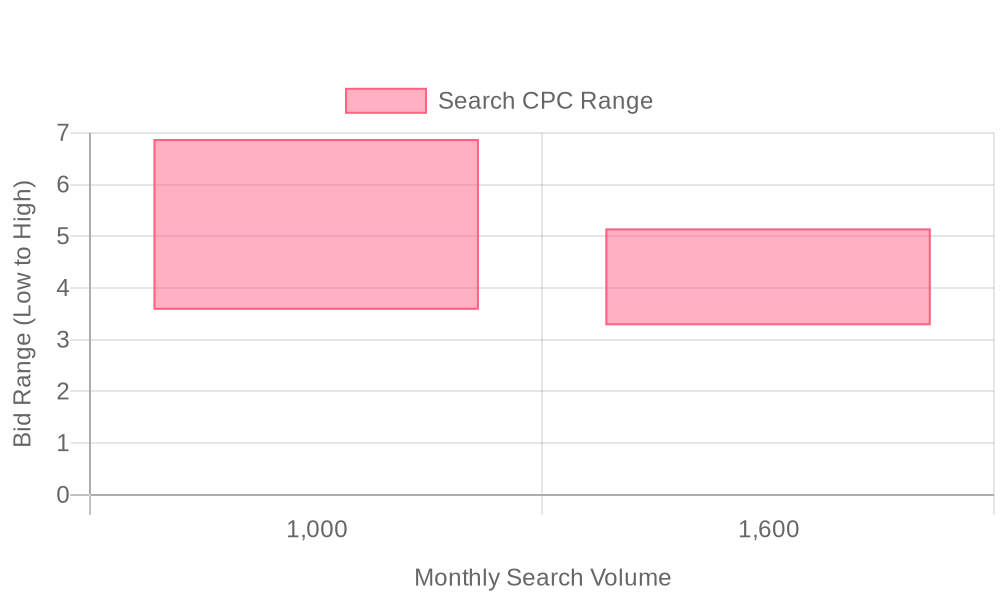
| Industry | Keyword | Monthly Search Volume | Competition Level | Low Bid | High Bid |
| Band Competitions | essentially ellington | 1000 | LOW | 3.58 | 6.88 |
| Band Competitions | marching band competition | 1600 | LOW | 3.28 | 5.15 |
Effective keyword strategy is foundational for any band competition aiming to maximize visibility and engagement through Google Ads. By aligning keywords to audience search intent and event-specific queries, organizers can drive qualified traffic and generate tangible interest from bands, fans, and sponsors alike. For a deeper dive into mapping audience segments for higher ad performance, explore precise audience intelligence.
To reach the right audience, focus on keywords that reflect both the competitive aspect and the music event nature of your offering. This includes blending high-intent phrases like "band competition registration" or "music contest for bands" with localized and time-sensitive queries such as "upcoming band competitions near me" or "band contest tickets this season." For guidance on setting up and optimizing campaigns, review this step-by-step guide for musicians.
Sample target terms for Google Ads campaigns in this context might include:
- Google Ads for band competitions
- Band contest entry form
- Music festival competition sign-up
- Band audition events near me
- Battle of the bands registration
- Live music competition tickets
- Band competition prize money
- Rock band competition 2024
- High school band contest information
- Online music competition for bands
Choosing the right mix of short-tail and long-tail keywords allows for precise audience targeting and cost-efficient bidding strategies. With unified go-to-market data, marketers can map keyword performance to actual attendee and participant conversions, refining their list based on actionable insights rather than guesswork. To enhance your campaign analytics, consider tracking every key touchpoint, and if you're ready to optimize your event marketing with advanced data tools, get started for free with Sona.
Step-by-Step Campaign Execution Framework for Google Ads for Band Competitions
A high-impact Google Ads campaign for band competitions begins with precision in planning, audience targeting, and ongoing optimization. Competitive bands and event organizers can use this framework to drive ticket sales, boost event awareness, and engage the right audience. Each step in the process should align with business goals and data-driven insights to maximize return on ad spend.
Step 1: Build Targeted Keyword Lists
Start by mapping keyword intent to your campaign objectives: ticket sales, registrations, or brand awareness. Use Google's Keyword Planner to identify terms like "band competition tickets," "music contest near me," and "live band event registration." For a step-by-step approach, this guide for advertising your music using Google Adwords provides actionable advice for musicians and event marketers. Layer in keywords that signal high purchase intent and consider negative keywords to filter out irrelevant searches. Dynamic keyword analysis allows for continuous refinement as search trends shift.
Step 2: Define and Segment Audiences
Segment audiences by age, location, music genre preference, and event attendance history. Bands and organizers can leverage CRM data to inform lookalike and retargeting segments, this ensures ads reach people likely to convert. Real-time audience data can be synced directly with Google Ads, so updates to lead and attendee information instantly influence targeting. Sona Audiences enables dynamic audience management, keeping messaging relevant and personalized to increase engagement rates and ticket sales.
Step 3: Craft Compelling Ad Creative
Tailor ad copy and visuals to resonate with music fans, musicians, and event-goers. Test multiple versions of headlines, descriptions, and imagery to identify what drives the highest engagement. Incorporate event-specific information, dates, lineup highlights, and calls to action such as "Register Today" or "Book Your Spot." Use responsive ads to automatically match creative to each search, device, or context, ensuring consistent impact across channels. For more tips on optimizing creative for high-impact campaigns, explore our playbook for intent-driven retargeting.
Step 4: Optimize Bidding and Budget Allocation
Set bidding strategies to prioritize high-intent actions, such as ticket purchases or form submissions. Leverage conversion data to adjust bids for keywords and audiences that deliver the best ROI. Automated bidding options can help maximize conversions while respecting daily or campaign-level budgets. By tracking real-time intent signals from Sona, budget can be shifted towards segments or keywords showing rapid increases in engagement or likelihood to convert.
Step 5: Implement Advanced Conversion Tracking
Set up conversion tracking to capture online and offline actions, including purchases, registrations, and phone inquiries. Integrate CRM and event management systems to unify data from multiple touchpoints, which ensures accurate attribution across the buyer journey. Sona's Ad Conversions offers first-party conversion tracking integrated with major ad platforms, enabling marketers to measure campaign effectiveness across all touchpoints and optimize accordingly.
Step 6: Launch Retargeting Campaigns
Re-engage visitors who interacted with your event page, watched a promo video, or clicked on a past ad but did not convert. Use audience data to deliver personalized messaging based on previous interactions and stage in the funnel. Sync retargeting audiences across Google Ads and CRM platforms to ensure consistency and reach. For an in-depth look at retargeting strategies that improve ROI by converting warm leads, check out our resource on retargeting with first-party data.
Step 7: Analyze, Report, and Iterate
Monitor campaign performance with detailed dashboards that highlight key metrics, click-through rates, conversion rates, cost per acquisition, and audience engagement. Use these insights to refine targeting, creative, and bidding strategies on an ongoing basis. Real-time reporting enables rapid adjustments, so campaigns stay aligned with market demand and business objectives. For continuous optimization and advanced reporting tips, visit our blog on measuring marketing's influence on the sales pipeline.
Tips on Expanding Your Presence for Google Ads for Band Competitions
Establishing a strong digital footprint for band competitions requires an intentional approach to paid search and audience engagement. Marketers who understand how to leverage Google Ads data can amplify visibility, attract new participants, and connect with high-value sponsors in a crowded market. For a step-by-step walkthrough on setting up and optimizing campaigns, check out this guide to advertising your music using Google Ads.
- Leverage intent-based targeting: Focus campaigns on search terms and in-market audiences actively seeking music competitions, live events, or band showcases. By identifying real-time intent signals, you can allocate budget to keywords and placements most likely to convert, increasing your event's reach among motivated entrants and engaged fans.
- Segment and sync audiences: Use dynamic audience lists that evolve as registrants interact with your ads, visit your website, or fill out forms. Connecting your CRM enables seamless syncing of enriched lead data into Google Ads, allowing for retargeting and tailored creative that speaks directly to high-intent music groups.
- Utilize advanced conversion tracking: Measure beyond online form fills by integrating both digital and offline conversion data, such as ticket sales or sponsor signups. This holistic view allows for optimization of spend based on true revenue impact, not just clicks, and helps prove ROI to stakeholders organizing the band competition.
- Optimize creative for music events: Design ad copy and visuals that capture the energy of live performance and the prestige of winning. Highlight unique competition features, prizes, and past winners to build credibility and excitement. A/B testing headlines and calls-to-action can refine messaging for the audiences most likely to register or attend.
- Tap into audience expansion tools: Use lookalike modeling to find new bands and fans similar to your current pool of registrants or attendees. When your platform identifies the organizations behind anonymous website visits, you can broaden outreach to untapped but relevant segments, increasing diversity and scale of your event's audience.
- Monitor and adjust in real time: Continuously evaluate campaign performance using unified dashboards that combine ad data with CRM insights. When high-intent leads are detected, shift budgets accordingly to maximize conversion opportunities and minimize wasted spend.
A data-driven approach to Google Ads for band competitions ensures your marketing remains agile, personalized, and highly measurable, crucial advantages for driving registrations, sponsorships, and long-term event growth.
Beyond Google Ads: Winning the AI Answers Band Competitions Buyers Now Trust
Paid search captures demand at the moment someone types a query. But a fast-growing share of band competitions buyers no longer start at Google at all, they ask ChatGPT, Gemini, or Perplexity before they ever run a search, and Google's own AI Overviews increasingly summarize an answer above the traditional results. If your business isn't referenced in those AI answers, you're invisible at the exact moment buyers build their shortlist.
Sona AI Visibility shows where your business shows up across ChatGPT, Gemini, Perplexity, Google AI Overviews, and 10+ engines, and, much like a keyword report, which prompts actually send you buyers, so you can prioritize the ones that convert. Run the two together and you cover the entire buyer path: get cited where buyers research (AI Visibility), then prove which of that demand turns into booked revenue (Marketing Measurement).
Helpful resources
Conclusion
The competitions that fill a venue are the ones whose organizers treat the entry window and the ticket rush as two different campaigns needing two different keyword sets, not one generic push. Get that distinction right and Google Ads stops being a line item and starts being the mechanism that turns searchers into a full house.
FAQ
How can I set up a Google Ads campaign specifically for a band competition?
To set up a Google Ads campaign for a band competition, you should build targeted keyword lists, define and segment audiences, craft compelling ad creative, optimize bidding and budget allocation, implement conversion tracking, launch retargeting campaigns, and continuously analyze and iterate on campaign performance.
What are the most effective keywords for advertising band competitions on Google Ads?
Effective keywords for advertising band competitions include terms like 'band competition entry,' 'music contest for bands,' 'local band battle registration,' 'band competition tickets,' and 'live band event registration.'
How much does it cost to run a Google Ads campaign for a band competition?
The cost of running a Google Ads campaign for a band competition depends on factors like keyword bidding strategies, audience targeting, and overall budget allocation, which should be optimized for high-intent actions and conversions.
What is the best strategy for targeting the right audience with Google Ads for a band competition?
The best strategy involves segmenting audiences by demographics, location, music genre interest, and engagement history, and using CRM data to sync enriched contact data with Google Ads for precise targeting.
How can I track and measure the success of my Google Ads campaign for a band competition?
Implement robust conversion tracking to measure actions like form submissions, ticket sales, and event registrations, and use advanced attribution solutions to tie online and offline conversions to your ads.
Are there any unique considerations for using Google Ads for promoting band competitions compared to other types of music events?
Promoting band competitions with Google Ads requires focusing on precise audience targeting, leveraging real-time intent data, and integrating CRM systems to capture high-intent prospects actively searching for music events.
What role can remarketing play in a Google Ads campaign for a band competition?
Remarketing targets users who previously interacted with your event page or ads, delivering personalized ads to nurture warm leads and increase conversion rates by keeping your competition top of mind.
How can I integrate Google Ads with other marketing channels for a band competition?
Integrate Google Ads with CRM and event management tools to unify data across channels, enabling seamless transitions between digital touchpoints and direct outreach to maximize event visibility and engagement.
What are some examples of successful Google Ads campaigns for band competitions?
Successful campaigns often utilize search, display, video, discovery, and remarketing ads, each tailored to engage and convert specific audience segments interested in band competitions.
How can I optimize my Google Ads budget for maximum impact on a band competition promotion?
Optimize your budget by focusing on high-intent keywords, leveraging automated bidding strategies, and continuously adjusting spend based on real-time audience data and campaign performance metrics.