


Rust never sleeps, and neither do the searches from car owners who just noticed a bubble in their rocker panels. The automotive rust proofing trade lives or dies on timing: reaching a driver in the narrow window between "I noticed rust" and "I called a competitor." Google Ads is built for that window, surfacing your business the moment someone searches for rust proofing solutions. Integrated well, it can help businesses:
How to Generate Automotive Rust Proofing Leads with Google Ads: A Step-by-Step Guide

Automotive rust proofing businesses face a narrow lead generation problem: demand is seasonal, hyperlocal, and easy to lose to whichever shop answers first. Precision digital strategy is what separates a wasted budget from steady revenue. This framework equips marketers to capture and convert that demand using data-driven approaches that outperform generic, broad campaigns.
Used well, Google Ads lets rust proofing providers target in-market prospects with tailored messaging, precise audience segmentation, and optimized conversion funnels. Sharper targeting, better lead nurturing, and real attribution turn ad spend into measurable business impact. This video guide on Google Ads strategies shows the tactics in action.
- Fine-tune keyword and audience targeting: Automotive rust proofing customers often search for highly specific, localized terms, like a make and model paired with a neighborhood or a winter-driving concern. Moving beyond broad targeting, marketers can segment audiences at the city or neighborhood level, using real-time audience signals to prioritize prospects actively seeking rust treatment. Tools that unify website visitor data with CRM records help teams identify the companies behind anonymous traffic (fleet operators, dealerships, body shops) and direct outreach to the most valuable leads.
- Apply landing page strategies for high conversion rates: Conversion-focused landing pages are engineered to address consumer pain points, reinforce trust, and encourage immediate action. Automotive service marketers benefit from seamless journeys that reflect ad intent, with tailored offers and streamlined forms that reduce friction. When linked to dynamic audience data and real-time behavioral insights, landing experiences can adapt in response to each visitor’s lifecycle stage, increasing conversion rates and accelerating deal velocity.
- Utilize cross-channel approaches to amplify marketing efforts: Rust proofing businesses improve their marketing effectiveness by integrating Google Ads with CRM, email, and retargeting campaigns. Cross-channel orchestration brings together online and offline engagement, creating a unified source of truth for lead attribution and nurturing. Real-time syncing of enriched audiences ensures that high-intent leads are seamlessly activated across platforms, while advanced conversion tracking enables true measurement of marketing ROI, from initial ad click to closed sale.
Why Does Google Ads Matter for Automotive Rust Proofing?

Automotive rust proofing providers face unique acquisition challenges that generic advertising channels rarely solve with precision. Google Ads enables direct engagement with both local service managers and consumers actively searching for rust proofing solutions, eliminating wasted spend on low-intent audiences and late-funnel leads. For a practical look at effective Google Ads strategies in the automotive space, check out this video guide for dealerships.
Targeted campaigns drive high-value engagements such as fleet rust protection projects or commercial partnerships by surfacing ads in response to high-intent queries. This approach gives marketing teams a consolidated view of all interaction points, ensuring no valuable lead slips through the cracks. Real-time intent data further empowers revenue teams to shift budget and attention to accounts showing immediate purchase behavior, maximizing the impact of every impression.
Google Ads is designed to activate demand at the moment of need, in contrast to platforms that focus on building long-term brand awareness. For rust treatment shops, this means capturing prospects precisely when they're searching for urgent service, allowing teams to refine follow-up priorities and close deals faster. Enhanced audience-building capabilities, such as dynamic segmentation, ensure that ads remain relevant as customer needs evolve and as leads move through the funnel.
Local targeting for rust proofing is critical for driving regional visibility and maximizing campaign ROI. Google Ads offers granular control over geographic reach, which, when combined with advanced audience sync, guarantees marketing efforts are aligned with actual service areas. This synchronization results in more accurate reporting and enables smarter budget allocation across channels.
Comprehensive analytics are essential for measuring true campaign effectiveness in automotive advertising. With advanced conversion tracking, marketers can connect online engagement with offline outcomes, such as booked service appointments or closed deals in the shop. Unified analytics platforms make it possible to attribute every touchpoint and refine strategy based on actionable insights, ensuring optimal results from PPC for automotive and rust treatment advertising alike.
Common Types of Google Ads Campaigns for Automotive Rust Proofing

- Search Campaigns: Search campaigns connect with prospects who are actively seeking rust proofing or related auto services. By targeting high-intent keywords, these ads capture demand at the point of decision, eliminating wasted budget and enabling precise message alignment. Marketers using unified go-to-market data can identify which search queries convert best and dynamically adjust bids or creative to favor high-value opportunities. Real-time visitor identification allows campaigns to shift focus to in-market buyers, minimizing guesswork and optimizing for the most lucrative segments.
- Display Ads: Display campaigns keep automotive rust proofing top-of-mind, appearing on relevant industry sites and blogs. This approach reinforces brand recall and nurtures buyers who may not be ready to book immediately. With advanced audience sync, marketers can ensure display ads reach not only new prospects but also those progressing through the funnel, updating creative as prospects engage across channels. Centralized intent data helps suppress ads to already-converted leads or customers, maximizing efficiency.
- Video Ads: Video advertising offers a vivid platform to demonstrate rust proofing techniques, share customer success stories, and build trust through visual storytelling. These campaigns extend the brand’s content reach beyond static formats, supporting SEO efforts by showcasing expertise and transparency. This video guide details effective Google Ads strategies for automotive dealerships to increase leads and sales. Integrating video engagement signals into the broader data ecosystem lets marketers identify which accounts watch key content, helping sales prioritize outreach and nurture sequences.
- Remarketing: Remarketing campaigns re-engage site visitors, quote requesters, or form abandoners with highly relevant messaging. By reconnecting at multiple touchpoints, these ads increase conversion rates and reduce sales cycle friction. Dynamic audience updates ensure only the most relevant prospects see follow-up ads, and by linking CRM data, marketers can tailor creative based on previous actions or deal stage, improving personalization and engagement.
- Ad Assets: Ad assets (formerly called extensions) elevate credibility by adding location details, service hours, certifications, and customer testimonials directly to search results. These enhancements address trust barriers common in automotive and rust proofing marketing, setting providers apart in crowded local markets. By tying asset engagement back to CRM and offline sales data, marketers can track which trust signals drive actual conversions, refining messaging for future campaigns.
Where to Find Growth Opportunities?

Automotive rust proofing businesses seeking measurable growth must look beyond generic tactics, focusing on strategies that directly address the nuances of their market. By adopting a data-driven approach, these companies can capture under-served demand, accelerate lead generation, and improve campaign efficiency.
- Vertical Keyword Targeting: Targeting highly specific, intent-focused keywords enables automotive rust proofing providers to engage niche audiences who are actively searching for preventive solutions. Rather than competing broadly, vertical keyword targeting uncovers micro-segments, such as seasonal vehicle owners or commercial fleet managers, where ad spend yields higher conversions. With the right platform, marketers can pinpoint which keyword clusters drive the best ROI and adjust campaigns in real time.
- Competitor Analysis: Auction insights reveal not only where competitors are investing but also where market gaps exist. By transforming isolated data points into actionable opportunities, marketers can segment regions or demographics that are underserved by competitors and rapidly deploy tailored campaigns. Integrating real-time visitor identification and intent signals allows teams to recognize high-value accounts as they engage with ads, shifting budget toward those most likely to convert.
- Industry-Linked Placements: Strategic ad placements on trusted industry sites and forums extend reach beyond traditional search. These placements ensure consistent visibility with buyers evaluating rust proofing options, capturing valuable traffic that organic rankings may miss. Platforms that unify ad performance data with CRM and sales insights allow marketers to track engagement across placements and optimize for the touchpoints driving offline inquiries and bookings, whether that's a forum thread comparing rust-proofing methods or a dealership review site.
- Retargeting via Content Marketing: Retargeting prospects who have interacted with educational assets, like rust treatment guides or maintenance checklists, keeps brands top-of-mind throughout the decision process. Dynamic audience management ensures that retargeting pools are always current, automatically moving contacts through the funnel as they take qualifying actions. By syncing enriched audience segments and conversion data across Google Ads and sales platforms, marketers minimize wasted impressions and maximize the impact of each retargeting touchpoint.
How to Apply Audience Segmentation for Automotive Rust Proofing

Audience segmentation is essential for maximizing the impact of automotive rust proofing advertising. By aligning marketing strategies with each customer’s unique journey, businesses can address industry pain points, drive qualified leads, and improve campaign ROI. For an in-depth look at optimizing your marketing, explore the latest articles on marketing analytics and strategies.
- Defining Segments: The automotive rust proofing market involves distinct buyer groups, primarily consumer vehicle owners and auto dealerships. Segmenting audiences by these categories enables marketers to tailor messaging, offers, and value propositions to the pain points of each group. Consumer segments may prioritize long-term protection and warranty, whereas dealerships often seek volume pricing and streamlined service logistics. You can further refine your outreach by using real-time audience segmentation to match messaging with each group's needs.
- Intent Signal Synthesis: Recognizing different buying cycles is critical. While some consumers immediately appreciate the value of rust proofing, others require educational touchpoints before converting. Synthesizing intent signals from website interactions, search queries, and offline behaviors helps marketers understand where each prospect stands. Leveraging real-time intent data allows for dynamic budget allocation toward accounts showing purchase-readiness, improving efficiency and relevance.
- Custom Ad Groups: Moving beyond generic campaigns is vital for effective PPC for automotive. Creating custom ad groups for each segment supports personalized offers, such as financing options for dealerships and seasonal discounts for consumers. These tailored solutions increase engagement and conversion rates. Integrated platforms can identify visitors and companies, ensuring ad groups stay aligned with real-time audience movement through the funnel. For practical automotive ad ideas, review this case study on high-performing Google Lead Ads.
- Path Validation: Streamlined follow-up is key to converting interest into revenue. Proper integration between service request forms and CRM systems ensures every lead is captured, enriched, and prioritized for the sales team. With unified data flows, marketers can attribute conversions accurately from initial click to closed deal, bridging online ad performance with offline sales. This closed-loop approach is essential for validating campaign paths and refining future strategies, especially in high-consideration categories like rust treatment advertising.
For further optimization, marketers can use retargeting strategies to keep their brand top-of-mind as segmented audiences move closer to a decision. By syncing enriched lead data into ad platforms and CRMs, revenue teams maintain engagement and ensure no high-intent opportunity is missed.
This is also where measurement changes the economics. With Sona Marketing Measurement you can identify the companies and buyers behind your ad clicks, not just anonymous sessions, and segment audiences by who actually becomes a customer. That lets you build bid adjustments and audience signals around the segments that convert and de-prioritize the ones that don't, so you feed Google's algorithms "this click became a paying automotive rust proofing customer" instead of just "someone filled out a form."
Keyword Strategy & Sample Target Terms
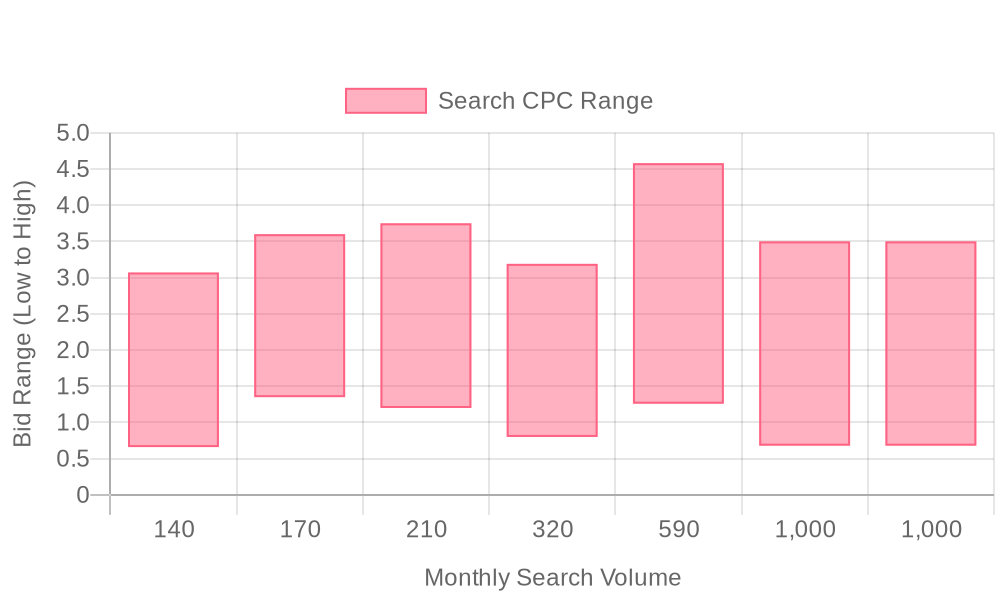
| Industry | Keyword | Monthly Search Volume | Competition Level | Low Bid | High Bid |
| Automotive Rust Proofing | under car rust protection | 140 | HIGH | 0.66 | 3.07 |
| Automotive Rust Proofing | rust proofing car underbody near me | 170 | MEDIUM | 1.35 | 3.6 |
| Automotive Rust Proofing | car rust proofing near me | 210 | MEDIUM | 1.2 | 3.75 |
| Automotive Rust Proofing | rust proofing car underbody | 320 | HIGH | 0.8 | 3.19 |
| Automotive Rust Proofing | car rustproofing near me | 590 | LOW | 1.26 | 4.58 |
| Automotive Rust Proofing | automotive rust proofing | 1000 | HIGH | 0.68 | 3.5 |
| Automotive Rust Proofing | car rust protection | 1000 | HIGH | 0.68 | 3.5 |
Effective automotive rust proofing marketing begins with a keyword strategy tailored to buyers exhibiting strong intent. Targeting searchers actively seeking rust treatment solutions enables teams to meet prospects at the exact moment they are evaluating providers, driving higher-quality engagement and conversion rates. For additional guidance on targeting strategies in automotive advertising, see this video guide on Google Ads for dealerships.
- Precision Targeting: Build segmented keyword lists that focus on decision-makers ready to invest in rust proofing or related automotive protection. This approach reduces wasted ad spend on vague or broad searches and ensures messaging speaks directly to in-market audiences. Leveraging real-time behavioral intent signals, marketers can prioritize budget allocation towards those accounts demonstrating immediate need, streamlining the path from click to consultation.
- Measurable ROI: Implement conversion tracking that follows the full customer journey, from ad click to service fulfillment. By integrating advanced attribution across both digital and offline touchpoints, teams gain a transparent view of ad impact on revenue. When visitor identification tools connect anonymous ad clicks to actual companies and individuals, marketers can attribute wins directly to specific keywords or campaigns, optimizing spend and proving value to stakeholders.
- Channel Synergy: Activate retargeting strategies that complement ongoing social and email campaigns for consistent, relevant messaging. Dynamic audience solutions ensure that every touchpoint adapts as prospects progress through the funnel. Syncing CRM and ad platforms enables automated audience updates, so only the most engaged leads receive tailored offers, reinforcing brand presence and maximizing conversion opportunities across channels.
For teams advancing their PPC for automotive, these strategies form the foundation for scalable, data-driven Google Ads for Automotive Rust Proofing. Prioritizing intent-based targeting and unified measurement, marketers can outperform broad tactics and drive sustained demand generation in a crowded space.
Step-by-Step Campaign Execution Framework
Step 1: Build Targeted Keyword Lists
A precise keyword strategy is the backbone of any high-performing Google Ads for Automotive Rust Proofing campaign. Start by clustering keywords by service category: examples include "rust proofing warranties," "mobile rust treatment," and "underbody protection." This approach ensures your ads appear for distinct service needs, matching real customer intent. For inspiration on structuring keyword lists and identifying high-value queries, review this discussion on automotive ad campaigns.
Layer geographic modifiers such as “car rust treatment near me” to capture local demand and drive quality leads to your business. Expand reach with niche long-tail queries, focusing on specific problems or vehicle types (“SUV corrosion prevention,” “truck rust repair specialists”). Apply negative keywords like “DIY methods” or “home remedies” to exclude irrelevant traffic, ensuring your budget is only spent on high-value prospects. Using Sona, marketers can identify in-market visitors, uncover firmographic details, and target high-probability buyers, driving efficiency by continually updating target audiences as prospects move through the funnel.
The upgrade most automotive rust proofing advertisers miss is going beyond raw keyword volume to layer in intent and identity signals. By connecting website-visitor data and CRM records with Sona Marketing Measurement, you can see which specific search terms bring in the accounts and customers that actually convert, and weight your keyword and bidding strategy toward those rather than the terms with the highest search volume alone.
Step 2: Ad Copy Crafting
Compelling ad copy should directly address industry pain points and customer motivations. Use headlines that reference issues like “Prevent Winter Rust Damage” or “Extend Your Vehicle’s Life,” tailoring messaging to audience segments based on company size, fleet ownership, or commercial vehicle needs. Bolster credibility by referencing awards, certifications, or client testimonials, building trust at the moment of first impression. For actionable examples of effective lead generation messaging, explore this case study on high-performing Google Lead Ads.
Incentivize action with offers such as “First Rust Check Free” or “Book Now for a Complimentary Inspection.” Structure your ads with extensions for direct calls, site links, and structured snippets, making it easy for users to connect or learn more. With unified audience and CRM data, marketers can ensure ad messaging evolves as leads engage or convert, leveraging real-time behavioral signals to shift budgets toward the highest converting accounts.
Step 3: Landing Page Development
Landing pages must align precisely with the keywords and ad copy that brought the visitor to your site. For each ad group, develop a dedicated page with clear service descriptions, transparent value calculators, and real client logs to demonstrate track record. Prominent CTA buttons, such as “Request a Free Quote” or “Schedule Inspection”, facilitate swift action.
Prioritize mobile responsiveness and fast load times to avoid losing potential leads. Apply UX best practices: concise messaging, trust badges, and minimal distractions. Integrate advanced attribution tools to capture both online and offline conversions, connecting ad clicks to real-world outcomes and feeding enriched lead data into your CRM and sales platforms. This unified approach lets revenue teams measure ROI accurately and optimize spend across every touchpoint.
Tips on Expanding Your Automotive Rust Proofing Presence
Expanding your automotive rust proofing presence takes a multi-layered marketing approach built around how buyers actually decide: researching once, then acting fast once winter salt or a failed inspection makes the decision urgent. Success depends on blending educational outreach with precision targeting, while staying adaptable to seasonal swings and local competition.
- Promote educational content in retargeting ads: Retargeting goes beyond simple reminders by delivering valuable educational resources, such as videos or infographics explaining rust prevention benefits. This strategy builds credibility and trust, ensuring your brand stays top-of-mind and addresses customer concerns, reducing the disconnect that often leads to lost opportunities. When educational assets are delivered to previously engaged visitors, unified go-to-market data helps automotive marketers pinpoint which content resonates most, allowing for dynamic audience segmentation and message refinement.
- Engage segmented audiences with upsell tactics: Not all customers have the same needs or intent level. By segmenting audiences based on actions, such as requesting a quote, downloading a guide, or visiting specific service pages, marketers can tailor upsell offers, like premium protection packages or annual maintenance plans, to those most likely to convert. Automated audience updates as leads progress through the funnel ensure each message remains relevant, which optimizes return on ad spend and boosts overall campaign ROI.
- Collaborate with automotive clubs and associations for co-branded initiatives: Partnering with respected automotive organizations unlocks access to highly engaged, niche communities. Co-branded content and joint promotions, such as exclusive discounts or event sponsorships, amplify brand reach and foster authentic connections. Tracking partnership-driven leads alongside other digital channels provides a holistic view of campaign effectiveness, informing future collaboration strategies.
- Focus local campaigns to bolster share-of-voice: Localized campaigns are essential for capturing customers seeking rust proofing in specific regions, especially in areas with harsh climates. Hyperlocal targeting and tailored messaging increase relevance, directly challenging regional competitors and enhancing your market share. Leveraging real-time intent signals ensures ad spend is directed toward high-value, in-market prospects actively searching for rust protection services.
- Analyze search inquiry data for fresh content suggestions: Continually reviewing search term reports and user queries reveals emerging topics and pain points. This data-driven approach enables the creation of timely blog posts, FAQs, and landing pages that answer evolving customer needs. For industry-specific feedback and consumer insights, explore this community thread debating the pros and cons of rust-proofing. Integrating these insights across campaigns helps maintain adaptability, ensuring your offer remains compelling as market conditions shift.
A comprehensive strategy for automotive rust proofing growth blends educational retargeting, segmented upsell campaigns, strategic partnerships, local targeting, and agile content development. Leveraging unified data and real-time analytics at each stage sharpens competitive advantage and ensures every marketing activity drives measurable value.
Beyond Google Ads: Winning the AI Answers Automotive Rust Proofing Buyers Now Trust
Paid search captures demand at the moment someone types a query. But a fast-growing share of automotive rust proofing buyers no longer start at Google at all, they ask ChatGPT, Gemini, or Perplexity before they ever run a search, and Google's own AI Overviews increasingly summarize an answer above the traditional results. If your business isn't referenced in those AI answers, you're invisible at the exact moment buyers build their shortlist.
Sona AI Visibility shows where your business shows up across ChatGPT, Gemini, Perplexity, Google AI Overviews, and 10+ engines, and, much like a keyword report, which prompts actually send you buyers, so you can prioritize the ones that convert. Run the two together and you cover the entire buyer path: get cited where buyers research (AI Visibility), then prove which of that demand turns into booked revenue (Marketing Measurement).
Helpful resources
Conclusion
The shops winning in automotive rust proofing right now aren't the ones spending the most on Google Ads, they're the ones who know which keywords, ads, and audiences actually turn into booked inspections and closed jobs, and who feed that knowledge back into every campaign decision.
As AI answer engines and Google's own overviews take a bigger share of how buyers research rust protection, the businesses that pair tight Google Ads execution with real measurement, and now with visibility into AI-driven discovery, will be the ones still getting the call when a customer finally decides to act.
Ready to take your advertising to the next level? Start for free to experience our platform and its capabilities today, and unlock the full potential of your marketing strategy.
FAQ
What are the best practices for Google Ads in the automotive rust proofing industry?
Best practices include precise audience segmentation, tailored messaging, optimized conversion funnels, and integrating Google Ads with CRM and other marketing channels for a unified approach.
How can I effectively target local customers for my rust proofing services using Google Ads?
Utilize localized keyword targeting and geographic modifiers to capture local demand, ensuring your ads reach customers searching for rust proofing services in specific regions.
What types of Google Ads formats work best for automotive rust proofing?
Effective formats include search campaigns for high-intent keywords, display ads for brand recall, video ads for demonstrating services, and remarketing to re-engage interested prospects.
How do I set up a Google Ads campaign for my rust treatment business?
Start by building targeted keyword lists, craft ad copy that addresses customer pain points, and develop landing pages that align with ad messaging, ensuring mobile responsiveness and fast load times.
What are the common mistakes to avoid when using Google Ads for automotive services?
Avoid broad targeting, lack of audience segmentation, not using conversion tracking, and failing to integrate cross-channel strategies, which can lead to wasted ad spend and lower ROI.







