


Automated teller machines don't sell themselves from a shelf, they get placed through a sales conversation, usually with a retailer, property manager, or bank looking at foot traffic and revenue share. Google Ads matters here because so much of that conversation starts with a search: someone typing "install ATM at my business" or "ATM revenue sharing" months before they sign anything. This guide covers how to use Google Ads to reach those buyers in ATM services, connecting search intent to actual placement and partnership deals. Many operators lose high-value prospects who research quietly and never fill out a form; the fix is identifying and targeting those companies directly, so ad spend goes toward accounts likely to convert.
How to Generate Automated Teller Machine Leads with Google Ads: A Step-by-Step Guide

Automated Teller Machine (ATM) operators face a unique challenge in reaching qualified business owners and high-potential partners. Effective digital advertising for ATMs must cut through noise, efficiently connecting solutions with those actively seeking new ATM installations or revenue opportunities. For a deep dive on transforming ATMs into revenue-generating assets, explore strategies for ATM ROI growth.
Leverage Google Ads for Automated Teller Machines by combining granular targeting, tailored creative, and real-time audience enrichment. This approach empowers marketers to reach decision-makers at the right moment, ensuring every dollar spent is optimized for lead generation and deal velocity.
- Data-Driven Audience Targeting: Crafting campaigns around purchase intent signals and firmographic filters ensures your ads reach legitimate ATM buyers, not just general browsers. Sona's Identity Resolution identifies the companies behind anonymous site visits, so you can see which businesses are researching ATM placement, without relying on individual-level tracking. With dynamic audience updates, your targeting adapts as leads progress, keeping messaging relevant and maximizing engagement at each stage. Discover more actionable tactics in our marketing playbooks.
- Conversion-Optimized Creative: Match ad creative to how ATM decisions actually get made. Address revenue sharing, zero upfront cost, and added foot traffic directly, since these are the objections that stall a deal. Build landing pages for specific verticals, hospitality, retail, banking, and test headlines against each other to see what drives form completions. Sona's Intent Signals show which creative is pulling in accounts that are actually in-market, so budget can shift toward what's converting.
- Performance Optimization for ROI: Consistent optimization is crucial for Google Ads strategies in the ATM industry. By integrating advanced conversion tracking, you can attribute leads to both online interactions and offline sales calls or contracts, giving a clear picture of true ROI. Automated teller machine marketing benefits from syncing enriched lead data from your CRM into ad platforms, streamlining follow-up and preventing slow or missed responses. Explore our blog on offline attribution for maximizing ROI through integrated channels.
- Cross-Channel Cohesion: A robust marketing ecosystem unifies Google Ads targeting with other digital touchpoints. Syncing CRM and ad platforms keeps enriched, current audiences available for outreach, so prospects get nurtured at every stage of the buying process. This prevents wasted spend on cold audiences and lets campaigns adapt as market dynamics shift. The result is a lead generation engine that consistently delivers engaged, high-value ATM opportunities to your sales team.
Why does Google Ads matter for Automated Teller Machines
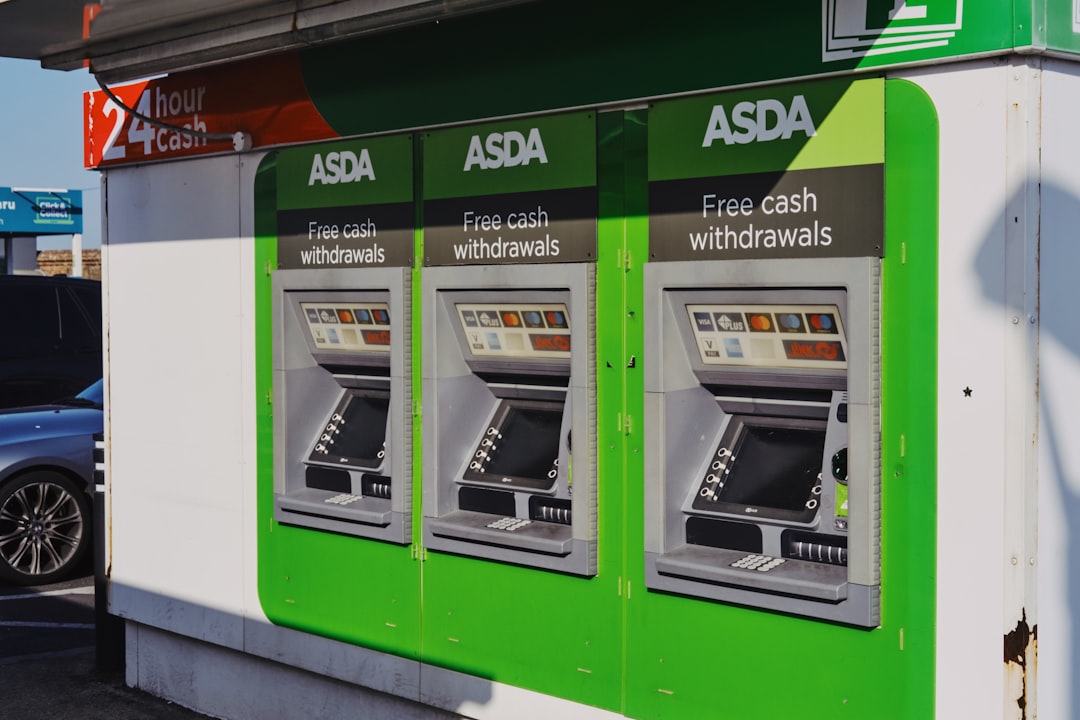
Digital advertising for ATMs has become a critical avenue for capturing the attention of financial decision-makers who are actively seeking reliable, innovative ATM solutions. Precision targeting ensures that marketing budgets focus on high-value prospects, leading to increased conversion rates and stronger ROI for ATM operators.
Google Ads enables ATM businesses to respond instantly to fluctuations in market demand, ensuring leads are engaged at the exact moment their intent peaks. This immediate, data-driven approach allows for dynamic campaign adjustments that drive momentum and capitalize on windows of opportunity. Learn more about how Google Ads works to optimize your campaigns.
- Specialized Audience Needs: ATM operators face a highly specialized buyer landscape, where each inquiry can represent significant revenue potential. Effective use of Google Ads for Automated Teller Machines ensures campaigns reach the right stakeholders, such as bank executives or retail operators, who are primed for partnership or purchase conversations.
- Profit Margin Focus: Timely, targeted campaigns enable operators to promote not just installations, but also upgrades and managed services, directly to those weighing new contracts. By honing in on these high-margin offerings, ATM businesses can reduce wasted spend and accelerate deal cycles.
- Momentum in Demand Response: The financial sector often sees surges in ATM interest, such as during regional events or regulatory changes. Google Ads captures this intent in real time, minimizing the lag between search and engagement, and empowering operators to convert fleeting interest into actionable leads.
- Expanded Regional Visibility: Traditional marketing can leave gaps in coverage, especially in underserved or emerging markets. Search campaigns allow ATM providers to focus outreach precisely where new business opportunities exist, ensuring every dollar supports regional growth rather than being diluted across irrelevant audiences.
- Data-Driven Insights: Closed-loop analytics offer more than impression and click data, they reveal which campaigns drive meaningful conversations and revenue. Integrating these insights with unified go-to-market data uncovers which accounts are truly engaged, enabling marketers to continually optimize spend towards the leads and markets most likely to convert.
Ready to elevate your ATM advertising strategy? Get started for free with Sona.
Common Types of Google Ads Campaigns for ATM Services
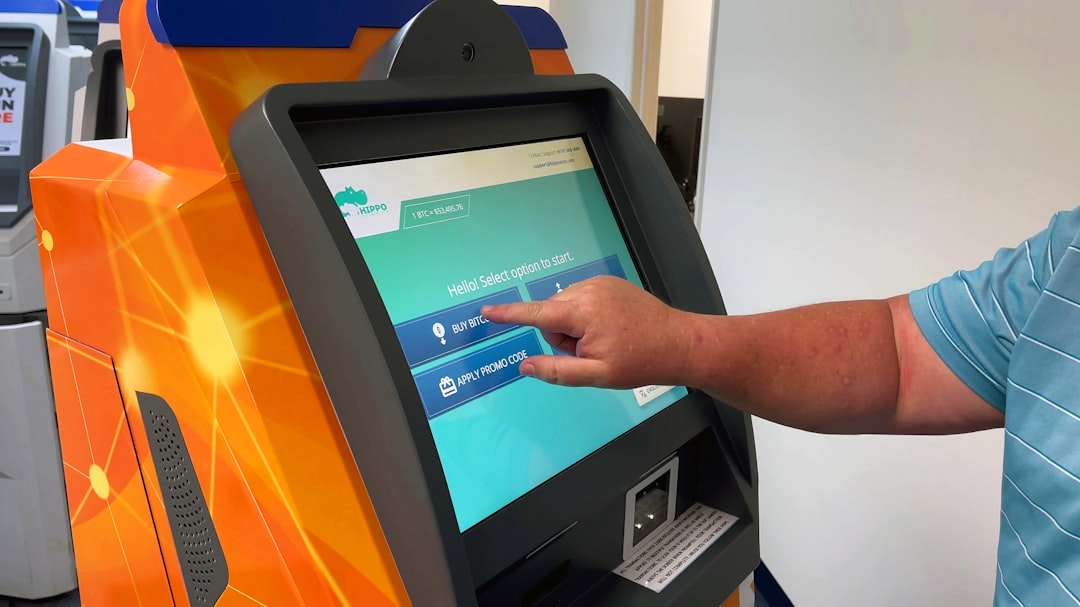
- Search Campaigns: Search campaigns are the foundation of digital advertising for ATMs, capturing high-intent queries from business owners and property managers looking to install or service automated teller machines. Responsive Search Ads, an ad format within Search, let you test multiple headlines and descriptions to see what resonates with this audience. These campaigns are especially valuable when paired with visitor identification, turning anonymous site visits into identifiable prospects. For an overview of how the Google Ads auction system works and its impact on campaign performance, visit Google Ads auction overview.
- Display Ads: Display ads keep ATM services visible across finance and retail industry sites while a prospect weighs installation timing, contract terms, or which vendor to call back. They're useful for staying top-of-mind during the slower stretch between a first inquiry and a signed placement agreement. Linking real-time account engagement from display inventory to CRM systems lets marketers adjust outreach as accounts warm up. Explore additional strategies for turning your ATM into an ROI machine.
- Video Ads: Video campaigns can show what a security feature actually looks like, or walk through a revenue-sharing model that's hard to explain in text, connecting with buyers at every stage of the journey. This kind of demonstration builds trust in a category where operators are often wary of hidden costs. With enriched contact data, teams can attribute specific video views to real meetings or proposals, closing the loop between brand engagement and pipeline. Learn how to track every touchpoint and maximize video ad impact throughout the buyer journey.
- Remarketing: Remarketing campaigns re-engage business leaders and property owners who previously interacted with ATM marketing content but did not convert. By leveraging dynamic audiences that update as contacts move through the sales funnel, marketers can deliver highly relevant messaging, address hesitation, and maximize conversion rates. For marketers seeking actionable playbooks, check out our library of demand generation resources.
- Assets: Ad assets add essential credibility signals to ATM advertising, such as verified locations, certifications, and revenue guarantees. These enhancements directly address common objections and boost conversion rates by signaling legitimacy and amplifying trust. When assets are managed in tandem with unified audience and intent data, marketers can ensure that the right information is surfaced for each prospect at the perfect moment, alleviating friction and increasing the likelihood of successful lead generation for ATMs.
Where to Find Growth Opportunities in ATM Advertising

Expansion within ATM advertising requires a precision-focused approach that sidesteps the inefficiencies common in broad digital campaigns. Revenue teams gain a competitive edge by zeroing in on growth opportunities hidden outside traditional financial marketing channels, ensuring every ad dollar connects with the right audience for measurable uplift.
- Target specialized keywords: Prioritize Google Ads for Automated Teller Machines by building keyword sets around specific ATM features, such as “in-store ATM placement,” “ATM revenue sharing,” or “install ATM at business.” This minimizes budget wastage on generic, low-conversion terms and ensures visibility among business owners and decision-makers actively searching for ATM services. Using intent data, teams can monitor which search terms drive the highest value actions, continuously refining keyword lists to capture only high-fit leads.
- Conduct competitor analysis: Evaluate how other ATM providers position their Google Ads for ATMs, focusing on ad copy, offers, and landing page experiences. Identify service gaps where competitors overlook industry segments, such as retail chains or hospitality groups, and redirect spend to capitalize on these neglected accounts. With real-time visitor identification, marketers can reveal which companies are browsing their site but not converting, making it possible to dynamically prioritize outreach and tailor follow-up campaigns for maximum impact.
- Advertise on finance-specific forums and directories: Expand beyond Google Search by targeting high-intent company profiles on financial directories, small business forums, and industry marketplaces. These channels often harbor decision-makers who are evaluating digital advertising for ATMs, but who may not surface through traditional paid search. By syncing CRM and site intelligence, teams can build enriched audiences that reflect recent engagement across these communities, ensuring that spend follows prospect activity at every touchpoint.
- Retarget with educational content and promos: Use retargeting strategies to serve ads that guide previously engaged visitors further down the funnel. Deliver personalized whitepapers, ROI calculators, or exclusive incentives for ATM placement to keep leads warm. As users interact with these assets, advanced conversion tracking maps both online and offline responses, giving revenue teams granular insight into which content and promos accelerate deal cycles and drive measurable lead generation for ATMs. For actionable strategies on transforming ATMs into revenue engines, explore this guide to ROI-driven ATM advertising.
This unified, data-driven approach transforms ATM advertising into an engine for sustained growth, ensuring that every campaign is calibrated to uncover and convert genuine business opportunities.
How to Apply Audience Segmentation for ATM Services

Audience segmentation transforms digital advertising for ATMs by delivering tailored messaging that resonates with the specific priorities of each buyer group. Segmentation mitigates wasted spend and elevates engagement rates by focusing on the most relevant prospects, rather than relying on generic outreach that fails to connect.
- Segment by operator type: Distinguish between banks and independent ATM operators to ensure messaging aligns with each group’s technical needs, regulatory concerns, and business objectives. For example, banks may prioritize network reliability, while independents are motivated by revenue share and rapid deployment. Targeted content and unique value propositions for each audience lead to higher click-through rates and more meaningful conversions.
- Overlay intent signals: Incorporate behavioral and contextual triggers, such as recent searches for “ATM upgrades,” “ATM installation,” or “digital advertising for ATMs”, to surface prospects actively in-market. Marketers can direct budget to high-potential accounts as intent shifts, minimizing the risk of mistimed or irrelevant outreach. Integrating real-time intent data into audience segments ensures ad spend focuses on those closest to decision.
- Customize by audience characteristics: Personalize campaigns with dynamic creative that adapts based on attributes like company size, location, or recent engagement with ATM marketing content. This level of customization reduces the one-size-fits-all approach, supporting deeper engagement and stronger lead quality. As leads progress, audiences update automatically, so messaging remains contextually relevant throughout the buyer journey.
- Validate conversion paths: Track and analyze the entire journey, from ad click to ATM lead submission and offline deal closure, to confirm that each segment receives the right follow-up at the right time. Advanced conversion tracking links online activity with offline outcomes, providing a holistic view of campaign performance and enabling timely, relevant re-engagement. For more on transforming ATMs into ROI-generating assets, see this guide on turning your ATM into an ROI machine.
This approach to audience segmentation enables ATM marketers to maximize ROI from Google Ads strategies, unlocking precise targeting, efficient budget use, and measurable business outcomes in a competitive automated teller machine marketing landscape.
This is also where measurement changes the economics. Sona Marketing Measurement identifies the companies and buyers behind your ad clicks, not just anonymous sessions, and segments audiences by who actually becomes a customer. That lets you build bid adjustments and audience signals around the segments that convert and de-prioritize the ones that don't, so you feed Google's algorithms "this click became a paying automated teller machines customer" instead of just "someone filled out a form."
Keyword Strategy & Sample Target Terms
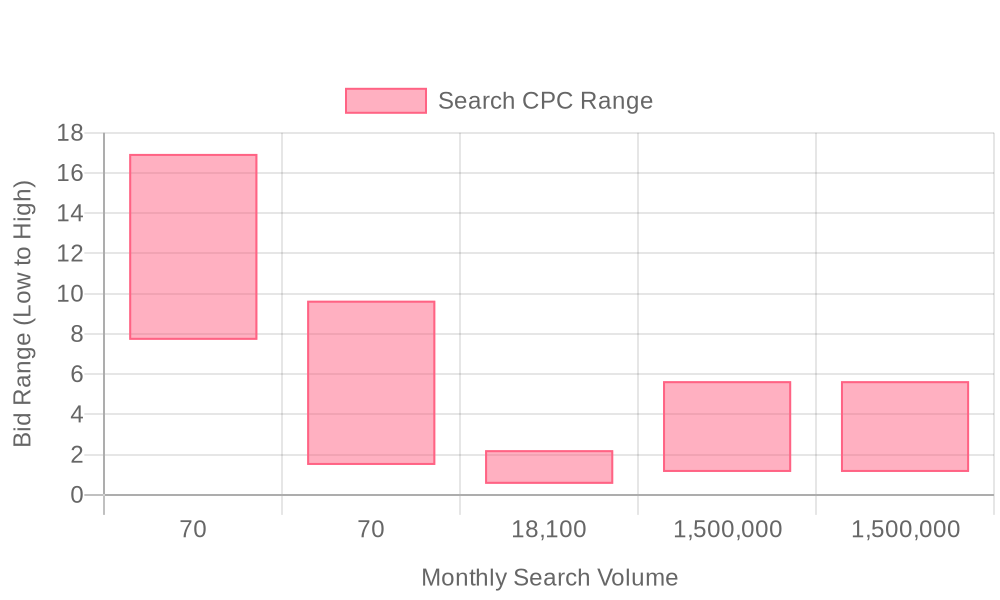
| Industry | Keyword | Monthly Search Volume | Competition Level | Low Bid | High Bid |
| Automated Teller Machines | transaction machine | 70 | HIGH | 7.71 | 16.95 |
| Automated Teller Machines | teller cash dispenser | 70 | LOW | 1.49 | 9.65 |
| Automated Teller Machines | automated teller machine for sale | 18100 | HIGH | 0.55 | 2.22 |
| Automated Teller Machines | automated teller machines | 1500000 | LOW | 1.14 | 5.65 |
| Automated Teller Machines | automated teller | 1500000 | LOW | 1.14 | 5.65 |
A robust keyword strategy is essential for maximizing performance in Google Ads for Automated Teller Machines. High-value keywords drive relevant traffic, improve lead generation for ATMs, and optimize spend efficiency. By combining fit scoring with intent data, marketers can zero in on the exact search terms that signal purchase readiness or partnership opportunity. For guidance on keyword match types and selection, see keyword matching options.
- High-value intent keywords: Prioritize phrases like 'ATM installation services', 'ATM cash management', and 'ATM advertising solutions'. These search terms consistently attract decision-makers seeking actionable services and products, not just information. Leveraging advanced visitor identification, marketers can pinpoint which companies are engaging with these keywords, allowing resources to be shifted toward the highest-value prospects in real time.
- Localized targeting: Use geo-modified keywords such as 'ATM services near me' or 'ATM placement for retail stores' to capture region-specific demand. This approach minimizes the risk of missed engagements by surfacing your ads precisely when local business owners or facility managers are searching for solutions. Dynamic audience segmentation ensures that as leads interact with your website or ads, they are automatically routed into the correct geographic and intent-based audience pools for ongoing nurturing.
- Negative keywords for budget efficiency: Regularly apply negative keywords like ‘job’, ‘DIY’, ‘ATM technician training’, or ‘ATM troubleshooting’. This practice keeps your Google Ads for ATMs focused on commercial intent, avoiding wasted spend on searchers not in a buying cycle. With real-time intent signals, you can refine negative keyword lists as new non-relevant patterns emerge, maintaining campaign efficiency and improving the quality of incoming leads.
A unified keyword approach, informed by live funnel data and enriched lead profiles, empowers B2B revenue teams to manage digital advertising for ATMs with precision. As leads move through the funnel, audiences are refreshed automatically, and conversion tracking spans both online and offline touchpoints. This strategy delivers higher ROI, ensures every dollar goes toward high-converting accounts, and supports continuous campaign optimization for automated teller machine marketing. To experience hands-on optimization for your ATM marketing, get started for free with Sona.
Step-by-Step Campaign Execution Framework
Step 1: Build Targeted Keyword Lists
Precision in keyword selection is the backbone of successful Google Ads for Automated Teller Machines. Start by mapping out high-intent, localized phrases such as "ATM placement services near me," "install automated teller machine for business," and "ATM advertising solutions." Incorporate service-specific queries that reflect the needs of your target audience, including financial institutions, retail locations, and property managers seeking to add ATM services or monetize foot traffic. Integrating advanced data insights, marketers can now identify which keywords are driving interest from qualified companies, not just anonymous clicks. Syncing CRM data with ad platforms ensures campaigns target only the most valuable accounts, filtering out low-value leads and unifying intent signals across all digital touchpoints. For a foundational overview of how Google Ads works, including keyword auction mechanics and ad placements, see the Google Ads guide.
The upgrade most ATM advertisers skip is layering intent and identity signals on top of raw keyword volume. By connecting website-visitor data and CRM records with Sona Marketing Measurement, you can see which search terms actually bring in accounts that convert, and weight your keyword and bidding strategy toward those instead of whatever has the highest search volume.
Step 2: Develop Compelling Ad Copy
Effective ad copy for ATMs centers on resolving financial pain points and building trust. Lead with value statements like "Increase in-store revenue with zero-cost ATM installation" or "Drive customer loyalty with reliable ATM access." Incorporate credibility markers such as partnership logos, compliance assurances, and testimonials from satisfied business clients. Personalize messaging by referencing location or business type, which boosts both relevance and engagement rates. By dynamically updating ad copy to reflect real-time account activity and funnel stage, advertisers ensure messaging aligns with each prospect’s current needs, prompting higher conversion rates and deeper engagement.
Step 3: Design Effective Landing Pages
Landing pages for ATM marketing must offer a seamless, frictionless experience that matches ad messaging precisely. Use clear headlines and concise calls to action, such as "Request a Free ATM Consultation" or "See Revenue Potential for Your Location." Prioritize mobile optimization, as decision-makers often review proposals on-the-go. Incorporate lead forms and trust signals above the fold to minimize drop-offs. Unifying online and offline data, marketers can attribute leads back to specific campaigns and optimize for the sources that drive the highest value conversions. When enriched visitor data flows directly into your CRM and ad platforms, you can trigger personalized follow-ups and retargeting based on actual engagement, closing the loop on attribution and accelerating the sales cycle. Learn how to turn your ATM into an ROI machine through strategic promotions and advertising.
Step 4: Implement Data-Driven Optimizations
Continuous improvement separates good campaigns from great ones in digital advertising for ATMs. Use smart bidding strategies to adjust bids in real time based on device, location, and in-market intent. Test headlines, images, and CTAs against each other, and reallocate budget as performance shifts. Feed conversion data from both online submissions and offline sales into your bidding algorithms, so they learn what actually drives revenue. With dynamic audience updates based on funnel progression, you can suppress closed deals, nurture warm leads, and push new offers to high-potential segments automatically.
Sona Marketing Measurement closes the gap between clicks and revenue. It captures every ad click with first-party measurement, ties that click through UTM capture and ad-platform APIs to the actual record in your CRM, and reports ROAS by keyword and campaign instead of by last-click form fill. Feeding that revenue signal back into Smart Bidding and Performance Max compounds over time: the algorithms optimize toward booked automated teller machines revenue, not cheap leads.
Tips on Expanding Your Automated Teller Machine Presence
Expanding an automated teller machine (ATM) network requires more than simply increasing the number of physical locations. Success hinges on reaching the right audiences with messaging that educates, engages, and addresses the evolving expectations of both consumers and business partners. Modern digital advertising for ATMs, particularly via Google Ads, enables operators to precisely target new prospects, deliver tailored content, and influence high-value decision makers at scale. For deeper insights into effective marketing analytics and attribution, explore our blog.
- Leverage retargeting for education: Retargeting campaigns are highly effective for ATM operators looking to nurture leads who have interacted with your website but haven’t yet converted. By using advanced visitor identification technology, marketers can move beyond anonymous web traffic, pinpointing key businesses and decision makers interested in ATM solutions. This allows for tailored follow-up campaigns that highlight innovations, such as cashless ATM features or surcharge-free access, solving the persistent challenge of delayed or missed follow-ups. Through dynamic audiences that update as leads engage or progress through the funnel, messaging remains relevant and increases conversion rates.
- Co-branded promotions with financial associations: Co-branded marketing initiatives with credit unions, fintechs, or regional banks amplify reach without relying on generic messaging. Google Ads for ATMs makes it possible to segment your audience by business type, enabling operators to show specialized offers to those most likely to benefit from ATM placement or advertising opportunities. When integrated with real-time intent data, campaigns can shift focus and budget to accounts actively researching ATM partnerships, ensuring that every dollar spent targets the highest probability prospects.
- Localize campaigns for maximum impact: Geographic targeting is essential for ATM operators seeking to dominate specific metropolitan or rural markets. By layering in local search query insights and behavioral data, advertisers can ensure their brand is visible to high-value prospects at the right moment, such as property managers searching for in-store ATM solutions or retailers seeking new revenue streams. Audience lists remain dynamic, automatically including or excluding leads as their interest or business status changes. To further optimize local marketing, check out strategies for hyperlocal customer targeting via ATM advertising. Dynamic audience management ensures campaigns remain efficient and responsive to market shifts.
- Explore new content topics from search data: Continual alignment with evolving consumer inquiries keeps ATM marketing relevant and authoritative. Analyzing Google Ads search term reports uncovers trending questions, such as contactless withdrawals or ATM security features, guiding the development of new ad copy and content assets. By integrating search insights directly into campaign management, operators can launch timely ads that address emerging concerns or opportunities, maintaining a position at the forefront of industry conversations. For tips on maximizing advertising ROI, review our revenue attribution best practices.
Effective Google Ads strategies for automated teller machines are the result of thoughtful keyword planning, audience segmentation, and ongoing creative testing. By unifying these elements within a broader financial marketing strategy, ATM operators can track and prioritize high-value leads, optimize conversion paths, and deliver measurable ROI, ensuring every campaign is focused on driving meaningful, scalable growth.
Beyond Google Ads: Winning the AI Answers Automated Teller Machines Buyers Now Trust
Paid search captures demand at the moment someone types a query. But a fast-growing share of automated teller machines buyers no longer start at Google at all, they ask ChatGPT, Gemini, or Perplexity before they ever run a search, and Google's own AI Overviews increasingly summarize an answer above the traditional results. If your business isn't referenced in those AI answers, you're invisible at the exact moment buyers build their shortlist.
Sona AI Visibility shows where your business shows up across ChatGPT, Gemini, Perplexity, Google AI Overviews, and 10+ engines, and, much like a keyword report, which prompts actually send you buyers, so you can prioritize the ones that convert. Run the two together and you cover the entire buyer path: get cited where buyers research (AI Visibility), then prove which of that demand turns into booked revenue (Marketing Measurement).
Helpful resources
Conclusion
ATM placement decisions move on their own calendar, often tied to a lease renewal, a slow holiday shopping season, or a bank re-evaluating its branch footprint. Google Ads works best in this category when it's built to catch those moments: tight keyword sets, creative that speaks to revenue share and zero upfront cost, and landing pages that don't waste a property manager's time.
The operators pulling ahead now are the ones pairing search intent with identity resolution and first-party measurement, so a click doesn't just become a lead, it becomes a traceable path to a signed placement. As AI answer engines start shaping which vendors even make a shortlist, that same measurement discipline, knowing which channels and prompts produce paying customers, will matter as much as the ad itself.
FAQ
What are the best practices for advertising ATMs on Google Ads?
Best practices include leveraging data-driven audience targeting, conversion-optimized creative, and continuous performance optimization to enhance lead generation and ROI.
How can I optimize my Google Ads for ATM services?
Optimization can be achieved through advanced conversion tracking, real-time audience enrichment, A/B testing of ad elements, and integrating CRM data for targeted outreach.
What is the cost of running Google Ads for ATMs?
The cost varies based on targeting precision, keyword selection, and campaign optimization, with a focus on maximizing ROI through efficient budget use.
Which targeting options are available for ATM advertising on Google Ads?
Targeting options include firmographic filters, purchase intent signals, localized targeting, and dynamic audience updates to ensure ads reach decision-makers.
How do I measure the success of my Google Ads campaigns for ATMs?
Success can be measured by tracking conversions, attributing leads to both online and offline interactions, and analyzing closed-loop analytics to assess meaningful conversations and revenue.







