


A smog check is a compliance errand, not a discretionary purchase: drivers show up because a registration deadline is looming or a car just failed retest, not because a billboard caught their eye. That urgency is why Google Ads earns a specific role in an auto smog inspection business's marketing mix, sitting alongside trade shows, direct mail, and industry publications as the channel that intercepts a driver at the exact moment they search "smog check near me" or "emissions retest today." For Auto Smog Inspections businesses, Google Ads bridges online and offline efforts in a few concrete ways: it intercepts decision-makers at their precise moment of need, whether they're renewing registration or following up on a mailer; it targets with precision using the technical terms and certifications (STAR station, test-only, diesel compliance) specific to this trade; it measures ROI from click to appointment to completed inspection; and it complements other channels by remarketing to trade publication readers, event attendees, and site visitors alike.
How to Generate Auto Smog Inspections Leads with Google Ads: A Step-by-Step Guide

Auto smog inspection businesses operate in a competitive, high-intent market where capturing ready-to-book customers is essential. Leveraging Google Ads for Auto Smog Inspections enables operators, marketers, and B2B service teams to directly target prospects searching for local emissions testing and compliance solutions. For insights into how other small business owners approach Google Ads to boost local leads, review this practical discussion thread.
A unified, data-driven approach to Google Ads ensures that every marketing dollar is optimized toward acquiring real, qualified leads. By integrating advanced audience targeting, creative alignment, and cross-channel data, businesses can enhance visibility, drive conversions, and maximize ROI in a measurable, repeatable way.
This playbook provides a tactical path for embedding Google Ads for auto emissions testing into your broader multi-channel strategy. It details keyword and audience targeting tailored to smog inspection buyers, landing page and creative alignment for higher conversion, and ongoing campaign optimization rooted in performance data. For B2B marketers, service providers, and local operators, this resource translates digital advertising complexity into practical steps for consistent lead generation and business growth. To see how you can put these strategies into action and track every key touchpoint, get started for free with Sona.
Why Google Ads Matter for Auto Smog Inspections Businesses

Auto smog inspection businesses face significant challenges in reaching decision-makers at the right moment, often missing out on high-value prospects who remain untracked or anonymous. Google Ads offers a direct channel to engage vehicle owners and fleet managers actively searching for emissions testing, enabling you to intercept demand at its peak with real-time audience targeting.
By leveraging Google Ads, auto smog inspection providers move beyond traditional outreach and email nurturing to capture new business from prospects who have not yet entered their marketing funnel. These campaigns meet urgent needs, such as last-minute compliance checks and seasonal surges, with immediate, measurable results. Unlike social media, which builds brand equity over time, Google Ads drives action when timing is critical, see this practical Google Ads discussion for small business insights.
- Visibility into anonymous traffic: Advanced platforms allow marketers to identify the companies and buyers behind previously anonymous website visits, turning unknown traffic into actionable leads with Sona's Identity Resolution.
- Immediate engagement at critical moments: Google Ads reaches customers during emission test reminders and compliance deadlines, outperforming slower channels.
- Targeting underserved and growing markets: Precision targeting expands reach to new territories, especially in metros where traditional marketing has yet to gain traction.
- Integrated data analysis: Closed-loop measurement ties ad interactions to real-world outcomes, giving insight into which campaigns deliver the highest ROI and informing future strategies.
With unified data and real-time intent insights, revenue teams can shift budgets toward high-converting audiences and sync CRM records with ad platforms to create a seamless buyer journey, so every advertising dollar works harder in a market where most smog stations still compete on price alone.
Common Types of Google Ads Campaigns for Auto Smog Inspections

- Search Campaigns: Search campaigns address urgent, high-intent queries like "smog check near me" or "emissions testing today." Using Sona's Identity Resolution, marketers can connect not just broad queries but also previously anonymous searchers, turning otherwise invisible traffic into actionable leads and directing budget toward the keywords that actually drive conversions.
- Display Ads: Display ads keep your smog inspection service top-of-mind by appearing across relevant automotive and local news sites. These visual placements reinforce your messaging from email and social campaigns, boosting recall and nurturing early-funnel interest. With real-time audience updating, display ads automatically re-target users as they move through the buyer journey, ensuring your brand stays relevant even as intent shifts.
- Video Ads: Video ads allow you to visually explain the nuances of smog testing, walk customers through the inspection process, or build trust by showcasing your facility and certifications. This format is effective for complex services, where seeing the process can reduce hesitation. By leveraging real-time intent data, you can push video content to in-market users precisely when their interest spikes, maximizing engagement rates. For those who prefer step-by-step visuals, watch this Google Ads setup tutorial.
- Remarketing: Remarketing campaigns focus on re-engaging visitors who previously interacted with your site but didn't convert, such as those who abandoned a quote form or checked pricing. Sona enables you to match these users across devices, syncing enriched lead data back into Google Ads and your CRM for persistent, relevant follow-ups. This creates multiple, personalized touchpoints, multiplying your chances of turning warm leads into booked appointments.
- Assets: Ad assets let you showcase trust signals, like your location, industry certifications, and fast response times, directly in your ad copy. These details validate claims made across your other marketing materials, increasing click-through rates and reducing friction for users ready to act. Advanced conversion tracking ties these interactions back to both online conversions and walk-in appointments, delivering a true measure of your campaign ROI.
Integrating these Google Ads campaign types within your auto smog inspection marketing strategy helps address the challenge of lost visibility into anonymous traffic, ensuring every qualified lead is pursued with precision and measurable impact. For further insights on leveraging remarketing across channels, see retargeting strategies.
Where to Find Growth Opportunities?

Expanding beyond familiar marketing channels is critical for auto smog inspection businesses aiming to reach new high-intent audiences. Diversifying your approach ensures consistent lead flow and less reliance on saturated, costlier acquisition sources. Sona enables you to build and update real-time, intent-based audience segments for hyper-targeted outreach.
- Vertical keyword targeting: Identify specialty services related to auto emissions testing, such as pre-purchase inspections, DMV verification, or diesel emissions compliance. By targeting granular keywords like "STAR certified smog check near me" or "rapid emissions retest," you can attract prospects actively searching for niche offerings.
- Competitor gap analysis: Use auction insights and competitive intelligence tools to spot underserved segments in your market. Discover which keywords have low competition or where rivals have limited visibility. This approach pinpoints opportunities to capture market share while minimizing wasted ad spend. Platforms that unify paid and organic data accelerate this process, helping you spot trends as soon as they emerge. For more on data-driven growth, see marketing analytics best practices.
- Industry-specific placements: Secure visibility on automotive trade forums, local business directories, or trusted car owner communities where organic reach is typically limited. These placements ensure your auto smog inspection marketing is present at every stage of the customer journey. When paired with Sona's Identity Resolution, marketers can directly reach companies and individuals already researching emissions solutions.
- Content retargeting: Leverage high-value assets like whitepapers, checklists, or how-to videos tailored to common vehicle compliance concerns. Retarget visitors who engage with this content through display or video ads, guiding them back to your booking funnel. Audiences can be dynamically updated as prospects move from research to ready-to-book, ensuring personalized touchpoints that reflect their latest intent.
Late lead capture often results in lost revenue when prospects contact competitors first, especially around registration deadlines when several stations are competing for the same appointment slot. Integrating real-time Google Ads data with your CRM ensures immediate follow-up and prevents missed outreach. Automated sync between campaign data and sales systems keeps your team ahead, enabling precise audience updates and true ROI measurement for both online and on-site conversions.
How to Apply Audience Segmentation for Auto Smog Inspections

Strong audience segmentation elevates your auto smog inspection marketing by ensuring each message reaches the right prospect at the right time. When segments are precisely defined and mapped to the customer journey, ad spend is efficiently allocated to the drivers most likely to convert, improving both campaign ROI and customer experience. Explore more best practices for segmentation and targeting in our marketing blog.
- Define Segments: Start by categorizing your audience according to business needs. Local vehicle owners, fleet managers, and commercial operators each require distinct messaging and offers. For example, drivers seeking routine checks respond to convenience and speed, while compliance-focused administrators value certification guarantees and volume pricing. By using Sona's Identity Resolution, marketers can pinpoint not just anonymous site traffic, but the actual companies or individuals tied to high-value accounts.
- Overlay Intent Signals: Enhance segmentation by layering in behavioral and contextual intent. Urgent testing needs, such as expiring registrations or failed emissions, signal a higher likelihood of immediate action. Dynamic audiences update in real time, ensuring messaging adapts automatically as leads progress through the funnel and capturing in-market intent at every stage.
- Create Ad Groups by Segment: Design ad groups tailored to each segment, aligning creative, offers, and budgets with segment-specific priorities. This approach allows for better budget control and more relevant ad experiences. When platforms sync enriched audience data directly with Google Ads, updated lists reflect the latest funnel movements and intent triggers, ensuring no high-value opportunity is missed. For hands-on guidance, see this video tutorial.
- Validate Conversion Paths: Rigorous conversion tracking is critical. Ensure every quote request, call, and form fill is accurately tracked and seamlessly integrated into your CRM. Advanced attribution connects online ad interactions with offline visits or bookings, allowing you to tie revenue back to specific touchpoints. This level of visibility not only justifies ad spend but also highlights which campaign elements truly drive business growth.
Inability to link touchpoints to revenue is a common barrier in auto smog inspection marketing. By leveraging unified campaign data and integrating offline attribution, revenue teams can clearly demonstrate how ads directly fuel business outcomes and support smarter, data-driven marketing decisions.
This is also where measurement changes the economics. With Sona Marketing Measurement you can identify the companies and buyers behind your ad clicks, not just anonymous sessions, and segment audiences by who actually becomes a customer. That lets you build bid adjustments and audience signals around the segments that convert and de-prioritize the ones that don't, so you feed Google's algorithms "this click became a paying auto smog inspections customer" instead of just "someone filled out a form."
Keyword Strategy & Sample Target Terms
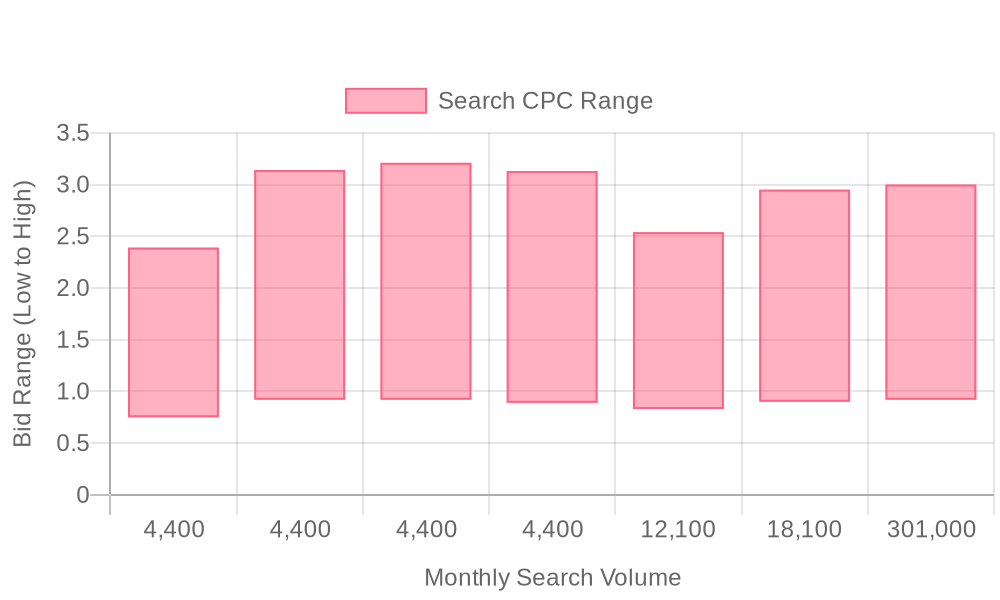
| Industry | Keyword | Monthly Search Volume | Competition Level | Low Bid | High Bid |
| Auto Smog Inspections | smog check coupons near me | 4400 | HIGH | 0.75 | 2.39 |
| Auto Smog Inspections | star certified smog check near me | 4400 | LOW | 0.92 | 3.14 |
| Auto Smog Inspections | star station smog check near me | 4400 | LOW | 0.92 | 3.21 |
| Auto Smog Inspections | smog check near me open now | 4400 | LOW | 0.89 | 3.13 |
| Auto Smog Inspections | cheap smog check near me | 12100 | HIGH | 0.83 | 2.54 |
| Auto Smog Inspections | star smog check near me | 18100 | LOW | 0.9 | 2.95 |
| Auto Smog Inspections | smog check near me | 301000 | LOW | 0.92 | 3 |
Auto smog inspection businesses thrive by connecting with decision-makers precisely when vehicle owners are searching for compliance, testing, or local stations. Google Ads enables these businesses to reach high-intent audiences at the moment of need, converting searches into measurable leads and new customers by leveraging real-time audience insights that identify and segment interested prospects.
A winning keyword strategy focuses on relevance, intent, and efficiency. For Google Ads for auto smog inspections, target terms must reflect the language customers use when seeking immediate solutions or researching nearby providers. Success depends on balancing broad reach with specificity, capturing both urgent inspection requests and longer-tail, research-driven queries, while using Google Ads tips for local business to refine targeting and ad copy.
- Core keywords: Focus on direct intent phrases such as "auto smog inspection near me," "smog check stations," "same day smog test," and "smog inspection cost." These terms target customers ready to book services.
- Service-specific modifiers: Add value by targeting "STAR certified smog check," "vehicle emissions test," and "test only smog center." This narrows the audience to compliance-driven users and regulatory requirements.
- Location-based terms: Integrate city, region, or neighborhood names into keywords, for example, "Los Angeles smog inspection" or "San Jose emissions testing." This geo-targeting aligns your ads with local search demand.
- Long-tail and problem-based phrases: Capture users in the research phase with terms like "what do I need for a smog check" or "why did my car fail emissions test." These queries often precede booking decisions and can be segmented for remarketing.
- Competitive and branded keywords: Monitor and selectively bid on competitor shop names and variations such as "X Smog Center alternative." This intercepts customers comparing providers.
Dynamic keyword strategies allow revenue teams to adjust keyword and audience targeting as seasonal demand shifts (registration renewal cycles, back-to-school fleet checks) or regulatory changes occur. By using Sona's Identity Resolution, marketers can identify which keyword segments drive not just clicks but actual conversions, refining spend toward the highest-value search terms and syncing high-intent leads directly into their campaigns. Advanced solutions also enable seamless transfer of high-intent audiences and lead insights into Google Ads, ensuring that keyword investments align with real-time pipeline activity and account-level outcomes.
For related strategies, see digital marketing for smog stations.
Step-by-Step Campaign Execution Framework
A revenue-focused Google Ads strategy for auto smog inspection centers must unify targeting, messaging, and conversion tracking for measurable growth. Precision at every step turns ad clicks into real appointments while minimizing wasted spend and guesswork. For more tactical guidance on attribution best practices, explore the Sona blog.
Generic PPC tactics no longer clear the bar: value comes from connecting ad engagement to pipeline results. Using Sona's Intent Signals and data activation, teams move from one-size-fits-all campaigns to dynamic, insight-driven programs that outperform legacy approaches.
Step 1: Build Targeted Keyword Lists
Effective PPC for auto smog inspections starts with highly segmented keyword clusters. Group terms by service type, emissions testing, smog certification, repairs, and localize for every city, neighborhood, and "near me" variant that brings in real search demand. Include long-tail queries and question-based keywords that capture research-stage prospects, such as "how often do I need a smog check in [city]?" or "smog test cost near me." Filter out irrelevant clicks with negative keywords like "DIY" or "free inspection" to ensure budget is spent on qualified leads. For peer-sourced keyword planning tips, visit this Reddit discussion on Google Ads for local businesses.
Aligning keyword lists with the exact language used in your website content and blogs ensures ad relevance and Quality Score. Integrating visitor identification and real-time intent data allows marketers to refine keyword targets based on which terms drive the highest-value conversions, adjusting budgets toward what actually fills the appointment book. When enriched audience insights are synced with Google Ads, teams can dynamically update keyword focus as new services or regulations emerge, maximizing campaign agility.
The upgrade most auto smog inspections advertisers miss is going beyond raw keyword volume to layer in intent and identity signals. By connecting website-visitor data and CRM records with Sona Marketing Measurement, you can see which specific search terms bring in the accounts and customers that actually convert, and weight your keyword and bidding strategy toward those rather than the terms with the highest search volume alone.
Step 2: Develop Compelling Ad Copy
Ad copy for Google Ads in auto smog inspection marketing must address urgent pain points and establish trust in seconds. Headlines that call out compliance deadlines, failed test consequences, or "same-day smog checks" capture high-intent clicks. Incorporate trust markers: ASE certifications, local star ratings, regulatory approvals, and real customer reviews. Incentivize immediate action with limited-time offers, such as "Book today for $10 off your smog test" or "Free retest included."
Use ad extensions to provide additional value, call buttons for instant booking, structured snippets listing available tests, and sitelinks to certifications or FAQs. Consistency across ad copy, social media, and email campaigns amplifies brand credibility and recall. Tapping into dynamic audience segments, marketers can personalize messaging for returning customers versus first-timers, or push different incentives based on recent engagement. CRM and ad platform integrations enable real-time updates to ad copy and offers, matching the latest lead status or promotion. For industry-specific ad copy inspiration, review this guide to Google Ads for automotive service businesses.
Step 3: Design Effective Landing Pages
Every high-performing Google Ads campaign for auto emissions testing relies on seamless alignment between keyword, ad, and landing page. Create dedicated pages for each core service, smog check, emissions compliance, repairs, with matching headlines and copy that reinforce the value promised in the ad. Segment landing experiences by vertical or target audience: for example, separate pages for fleet managers versus individual drivers. Include ROI tools, such as cost calculators for bulk inspections, and display trust badges, recent reviews, and regulatory compliance seals.
Keep calls-to-action clearly visible and mobile-optimized, ensuring visitors can book or call with minimal friction. Address common objections and questions via concise FAQs and highlight risk-free guarantees. Connecting landing page forms to your CRM and marketing automation systems allows for instant lead capture and nurturing, automatically updating prospect records and triggering personalized follow-up sequences. This unified data approach ensures that every form fill, call, or chat can be tracked from click to revenue, closing the loop on attribution. For an official checklist on in-store product promotion, reference Google's local inventory ads requirements.
Step 4: Implement Data-Driven Optimizations
Optimization in digital marketing for smog stations requires granular tracking and continuous improvement. Set up conversion tracking for both micro goals (form fills, click-to-call) and macro outcomes (appointments booked, services completed). Use Google's Target CPA smart bidding to efficiently allocate spend toward the highest-value actions. Routinely A/B test ad headlines, CTA placements, and landing page layouts to uncover what resonates with each audience segment.
Import offline conversions, such as actual completed inspections, into Google Ads for true ROI measurement. This feedback loop enables smarter bidding and messaging, as campaigns are optimized using real sales data, not just clicks or leads. Leveraging unified data from marketing and sales platforms, marketers can identify which campaigns drive pipeline and revenue, not just web traffic. Insights from Google Ads performance also inform content strategy, ensuring blogs, emails, and sales collateral are built around what actually converts. For more on campaign refinement, review retargeting strategies that connect online engagement to offline outcomes.
Sona Marketing Measurement closes the gap between clicks and revenue. It captures ad clicks with first-party measurement rather than relying on third-party cookies, ties that click through UTM capture and ad-platform APIs to the actual record in your CRM, and reports ROAS by keyword and campaign instead of by last-click form fill. Feeding that revenue signal back into Smart Bidding and Performance Max compounds over time: the algorithms optimize toward booked auto smog inspections revenue, not cheap leads.
Tips on Expanding Your Auto Smog Inspections Presence
Expanding your auto smog inspections business requires a data-driven approach that connects digital campaigns with real-world customer behavior. Aligning your marketing channels, content strategy, and partner relationships enables you to reach discerning drivers and capture new market share across local and regional segments. For actionable strategies to measure and optimize marketing ROI, explore offline attribution techniques.
- Cross-promote educational assets in retargeting: Reinforce your expertise by retargeting website visitors with guides or FAQs about emissions testing. This elevates your content marketing efforts by nurturing prospects who already showed interest and are more likely to convert. Real-time audience updates, based on in-market behaviors, ensure your most relevant materials reach users as they move closer to booking a service.
- Upsell related services via segmented audiences: Use CRM data to build segmented lists for upselling add-ons, such as diagnostics or minor repairs. Dynamic audience syncing between your CRM and Google Ads keeps these lists current so that your upsell offers are always targeted at the right prospects, not just at random visitors. For step-by-step tactics, see how to automate account research and identify buying teams.
- Partner with industry associations for referral traffic or co-branded ads: Collaborate with state-level or metro-area automotive associations to tap into their established networks. Co-branded advertising campaigns and curated referral programs can drive high-quality leads to your inspection station, while also consolidating fragmented industry insights for broader marketing strategy. Look for membership and partnership programs run by state smog-check trade associations, many maintain referral directories and co-marketing opportunities for member stations.
- Localize by state or metro areas: Customize ad copy and landing pages to reflect local regulations and incentives, increasing your share-of-voice in targeted regions. Localized campaigns supported by granular search query data help you identify which markets are primed for growth, enabling precise budget allocation and more effective outreach. For California-specific compliance, refer to licensee signage requirements.
- Use search query data for new content topics: Analyze Google Ads and organic search queries to discover emerging questions or pain points among your target customers. Integrate these insights into your content roadmap to address unmet informational needs and position your brand as a trusted authority in auto smog inspection marketing. Learn more about optimizing Google Ads for automotive services.
- Address information fragmentation through partnerships: Work with industry partners to consolidate regulatory updates, best practices, and customer feedback. Leveraging these partnerships ensures your messaging is consistent, timely, and strategically aligned for expansion into new markets or verticals. This unified approach leads to more actionable insights, greater campaign efficiency, and measurable ROI improvements.
Beyond Google Ads: Winning the AI Answers Auto Smog Inspections Buyers Now Trust
Paid search captures demand at the moment someone types a query. But a fast-growing share of auto smog inspections buyers no longer start at Google at all, they ask ChatGPT, Gemini, or Perplexity before they ever run a search, and Google's own AI Overviews increasingly summarize an answer above the traditional results. If your business isn't referenced in those AI answers, you're invisible at the exact moment buyers build their shortlist.
Sona AI Visibility shows where your business shows up across ChatGPT, Gemini, Perplexity, Google AI Overviews, and 10+ engines, and, much like a keyword report, which prompts actually send you buyers, so you can prioritize the ones that convert. Run the two together and you cover the entire buyer path: get cited where buyers research (AI Visibility), then prove which of that demand turns into booked revenue (Marketing Measurement).
Helpful resources
Conclusion
Google Ads works for auto smog inspections because it meets a captive, compliance-driven audience at the instant they need a station, not because of clever branding. Precise keyword targeting, ad copy built around certifications and turnaround time, and landing pages that match the service searched for are what convert a registration deadline into a booked appointment.
The stations pulling ahead now are the ones treating Google Ads as a revenue system rather than a traffic source, tying every click to a completed inspection and letting that data steer bidding toward the customers who actually show up. As AI answer engines take on more of the early research that used to happen in a Google search box, the same measurement discipline will decide which stations get cited there too.
To take the next step in optimizing your advertising efforts, start for free and put these tools to work against your own booking data.
FAQ
How can I set up Google Ads for my auto smog inspection business?
Start by building targeted keyword lists, develop compelling ad copy, design effective landing pages, and implement data-driven optimizations for measurable growth.
What are the best practices for Google Ads in the auto smog inspection industry?
Best practices include precise audience targeting, keyword strategy, ad copy alignment with landing pages, and ongoing optimization using performance data.
How much should I budget for Google Ads for my smog inspection service?
Budgeting should focus on optimizing spend towards acquiring qualified leads by using precise targeting, keyword strategies, and performance tracking to ensure high ROI.
What keywords should I target for Google Ads in the auto smog inspection sector?
Target keywords like 'auto smog inspection near me,' 'smog check stations,' 'same day smog test,' and location-based terms to capture high-intent customers.
How can I track and measure the success of my Google Ads campaign for auto smog inspections?
Track success by setting up conversion tracking for both online and offline actions, using data-driven optimizations, and integrating ad interactions with real-world outcomes.







