


An engine block with a hairline crack or a fleet truck down for a bent crankshaft doesn't wait for business hours, and the shop that shows up first in the search results usually wins the job. Missing that moment, because a call went unanswered or a web visitor left no trace, costs real work. Google Ads lets an auto machine shop intercept that customer at the instant they need machining, welding, or a rush repair, and modern tracking tools now make it possible to identify the companies behind those clicks and follow up before a competitor does. This guide lays out a setup strategy built around those realities.
How to Generate Auto Machine Shop Leads with Google Ads: A Step-by-Step Guide

Auto machine shop operators and marketing teams can unlock exceptional growth by moving beyond generic advertising and leveraging a tightly-structured Google Ads approach tailored for their services. By segmenting audiences, connecting real-time intent signals, and optimizing each campaign touchpoint, teams ensure every dollar is invested where it generates the highest-quality leads.
This guide delivers a comprehensive, repeatable process for capturing in-market buyers at the exact moment they require specialty machining or repair. With advanced tools that identify the companies behind anonymous website visits and sync enriched lead data directly into Google Ads and CRMs, shops can act instantly on every opportunity. The following steps outline a data-driven framework, from keyword targeting through performance optimization, for consistently filling the pipeline with qualified auto machine shop leads.
Common Types of Google Ads Campaigns
Google Ads for auto machine shops breaks down into several campaign types, each suited to a different stage of the buying decision, from the fleet manager searching in a panic to the procurement engineer building a shortlist weeks in advance.
- Search Campaigns: Search campaigns place ads directly in front of users actively searching for services like "precision machining near me" or "urgent engine block repair." These queries often spike after a breakdown or before a fleet inspection deadline, and the searcher usually wants a quote or a callback within the hour, not a brochure. That urgency makes search the backbone of most auto machine shop lead programs. For additional strategies, review this Google Ads guide for auto repair shops.
- Local Service Ads (LSAs): LSAs drive local market visibility, connecting shops with customers in their operating area. These ads appear above standard search results and showcase trust elements, like verification badges, that boost credibility and engagement for urgent service requests.
- Display Campaigns: Display ads build brand awareness by placing visually compelling banners across relevant websites. For auto machine shops, these campaigns support retargeting efforts and ensure that previous website visitors are reminded of capabilities, certifications, and expertise.
- Call-Only Campaigns: Call-only campaigns streamline the journey from search to conversation, targeting prospects who prefer phone interactions for complex or emergency jobs. These ads are optimized for mobile and feature click-to-call functionality, increasing conversion rates for time-sensitive inquiries.
- Retargeting Campaigns: Retargeting recaptures visitors who have engaged with your site but have not yet converted. By leveraging a platform that identifies the companies behind those visits and auto-updates audiences as prospects move through the funnel, you can deliver highly-personalized messages and offers to warm leads.
- Performance Max Campaigns: Performance Max lets a shop advertise across Search, Display, YouTube, and Gmail from one campaign, using Google's automation to find in-market buyers wherever they're active. For auto machine shops with clear conversion data, such as form fills or call tracking, feeding into the campaign, this can surface accounts that a single-channel campaign would miss, particularly during seasonal spikes like pre-winter fleet maintenance pushes.
Modern analytics platforms have transformed the way auto machine shops interpret and act on campaign data. By unifying first-party and third-party insights, marketers gain a comprehensive view from initial ad click through to closed contract, identifying which campaigns are truly driving business growth. This level of integration reduces the frustration of misattribution and allows businesses to shift budgets in real time toward the segments and services that yield the highest ROI. When combined with advanced solutions that identify the companies behind website visits and update dynamic audiences, auto machine shops can maximize their presence and respond instantly to in-market demand, turning anonymous web traffic into named accounts and measurable outcomes.

- Search Campaigns: Search campaigns are the core of digital lead generation for auto machine shops, connecting urgent buyers with services such as CNC machining, rapid prototyping, or custom fabrication. These campaigns capture high-intent prospects during the precise moment they search for technical solutions, providing direct visibility to procurement managers and engineers with active projects. By aligning ad groups to specific service categories and using segmented keyword lists, machine shops avoid wasted budget and reach only those most likely to submit RFQs or request consultations. With real-time account identification, marketers can move from guessing to knowing which accounts are searching for their capabilities, allowing for real-time budget adjustments based on account-level intent. For a step-by-step walkthrough, see this guide to setting up a Google Ads account for auto repair shops.
- Display Campaigns: Display ads provide ongoing brand reinforcement across industry sites, technical blogs, and relevant forums, keeping your auto machine shop top-of-mind for buyers in longer sales cycles. Effective display campaigns utilize creative assets, such as facility photos or process diagrams, to communicate technical expertise and quality standards. When dynamic audience segments and web behavior are unified, shops can ensure that display ads reach only the most relevant companies, such as those identified as high-fit accounts or recent visitors to service pages. For more strategies, explore our B2B marketing playbooks.
- Video Campaigns: Video ads offer a unique opportunity to explain complex services, showcase state-of-the-art equipment, and demonstrate quality processes in action. For auto machine shops, this visual storytelling can help differentiate specialized capabilities like 5-axis machining or advanced metrology. Targeting video ads to in-market audiences, such as those who previously interacted with technical content or RFQ forms, ensures higher engagement and better lead quality. Real-time syncing of audience lists means that video campaigns adapt as prospects progress through the funnel, delivering educational content at the optimal stage.
Where to Find Growth Opportunities in Auto Machine Shop Marketing

Auto machine shop marketing leaders drive revenue growth by identifying new ways to reach specialized buyers and address gaps in traditional outreach. Pinpointing these opportunities requires a blend of digital precision, audience intelligence, and content alignment, with a focus on channels where industrial decision-makers actively search for solutions.
- Search Campaigns: Search campaigns are the backbone for capturing high-intent prospects seeking immediate solutions, such as emergency repairs or rapid prototyping. These ads appear when buyers actively search for terms like "CNC machining near me" or "precision auto machine shop," channeling urgency into measurable conversions. By segmenting ad groups by specific services, marketers ensure each search is matched with the most relevant offering, reducing wasted spend and increasing lead quality. When paired with Sona's Identity Resolution, teams can connect inbound search clicks to known companies, allowing for timely, tailored follow-up that accelerates quoting cycles.
- Display Campaigns: Display ads serve as a visual touchpoint across industry websites, keeping your brand top of mind with procurement managers and engineers throughout longer sales cycles. By reinforcing expertise in specialty machining, heat treating, or certified welding, display campaigns build familiarity even before direct contact. Sophisticated audience targeting within these campaigns enables continuous audience refresh as prospects advance through the funnel, ensuring messaging adapts in real time to account status and intent. This dynamic approach supports both broad awareness and segmented nurturing for key accounts.
- Video Campaigns: Video ads are essential for educating technical audiences on complex capabilities, such as advanced milling or multi-axis turning. Short explainer videos can demonstrate precision, highlight certifications, and showcase shop technology, building trust with stakeholders who require more than a static image. For marketers looking to understand campaign setup and best practices, this video tutorial on Google Ads is a helpful resource. When audience engagement is tracked at the company level, marketers can prioritize high-potential viewers for personal outreach, integrating video analytics into campaign attribution and CRM workflows.
- Remarketing Campaigns: Remarketing keeps your auto machine shop visible to recent website visitors, reminding them of your expertise as they evaluate multiple suppliers. By delivering tailored ads focused on previously viewed services or recent RFQ interactions, remarketing increases the likelihood of return visits and final conversions. With real-time intent tracking, remarketing audiences can be updated instantly as prospects engage with new content or download technical documents, maximizing relevance for every impression served.
- Local Services Ads (LSAs): LSAs place your shop at the top of local results, targeting buyers in immediate need of services like emergency machining or rush repairs, often fleet managers who can't afford downtime or a driver stranded with a failed part. These pay-per-lead campaigns are ideal for driving high-quality, location-based inquiries and establishing trust through Google's verification process, which also signals licensing and insurance standing to a buyer comparing several shops at once. Integration with Sona's Destinations feature allows enriched lead data from LSAs to sync directly into sales pipelines, ensuring no qualified opportunity is overlooked and enabling accurate ROI measurement across both online and offline channels.
Competitor gap analysis is essential for discovering new growth pockets. By auditing rivals' ad placements, landing page messaging, and high-performing keywords, auto machine shops can identify areas where their unique capabilities, like material certifications, rapid lead times, or advanced metrology, can differentiate. Digital tools that map out competitor share-of-voice and ad spend by service line help teams reallocate budget to areas of highest opportunity, maximizing reach without increasing overall spend. For more actionable strategies, explore our marketing playbooks designed for industrial and B2B teams.
Ad Assets: Ad assets enhance every campaign by adding credibility and actionable contact options. Including call buttons, location maps, and structured snippets about core capabilities encourages direct engagement and builds trust before the click. When ad asset interactions are tracked alongside website behavior and CRM milestones, marketers gain a holistic view of touchpoints, informing continuous optimization and more precise performance attribution.
Industry-specific placements, such as engineering forums, manufacturing supplier directories, and automotive OEM resource sites, offer powerful channels for targeted ads and retargeting. Marketers can leverage custom audience segments based on visitor behavior and content engagement on these platforms, ensuring their messaging reaches buyers with genuine purchase intent. Integrating this data with Sona Destinations enables real-time syncing of high-value leads, so campaign audiences automatically refresh as prospects move through the funnel.
By leveraging these campaign types and syncing real-time intent, audience data, and CRM workflows, auto machine shops can unify their digital marketing and sales efforts. This alignment ensures that every ad dollar targets high-value prospects, accelerates engagement, and drives measurable business growth.
Content retargeting strategies further support the marketing calendar by re-engaging visitors who consumed technical resources but did not convert. For example, users who download an e-guide on "tolerance stack-up in automotive assemblies" can be served tailored ads for metrology audits or rapid prototyping consultations. Advanced conversion tracking links these engagements to both online RFQs and offline sales activity, providing a full-funnel view of marketing effectiveness and eliminating blind spots in campaign ROI.
With unified data and seamless CRM integration, auto machine shops gain visibility into both anonymous and known visitor journeys. This empowers teams to act on high-value signals in real time, shifting budget toward accounts demonstrating active buying intent and nurturing prospects with personalized outreach. The result is a comprehensive, technology-driven approach that turns every digital touchpoint into a potential growth lever, minimizing missed opportunities and maximizing the impact of every marketing dollar.
How to Apply Audience Segmentation for Auto Machine Shop Ads
Auto machine shop marketing delivers the highest ROI when every touchpoint is tailored for precision buyers and every campaign leverages granular data. Growth hinges on capturing high-value prospects who are actively seeking specialized machining, fabrication, or repair services, then moving them through a tailored digital journey that aligns with their technical needs using audience segmentation and intent data.
Competitor gap analysis further elevates strategy. Analyzing digital footprints of local and national rivals reveals missed keyword opportunities, content gaps, and unique value propositions that can be amplified in ad copy and landing pages. Advanced marketing platforms streamline this process, surfacing which companies are engaging with competitor content or searching for services not yet offered by your shop. This real-time insight allows immediate reallocation of ad spend to emerging opportunity clusters, keeping campaigns agile and relevant.
Audience segmentation is essential for auto machine shop marketing, allowing campaigns to precisely align with the diverse needs of automotive manufacturers, procurement specialists, and engineering managers. Businesses that segment by service line, such as CNC machining, engine component repair, or rapid prototyping, ensure each audience receives messaging tailored to their unique interests and purchase stages, dramatically improving engagement rates and minimizing wasted ad spend.
Industry-specific ad placements unlock additional reach. Running campaigns on vertical directories, trade journals, and technical forums supplements Google Ads and surfaces your brand in trusted spaces where engineering decision-makers conduct research. By integrating CRM and ad platforms, marketers can seamlessly sync visitor and lead data, ensuring enriched audiences are continuously updated and retargeted across multiple channels. This dynamic audience management keeps your shop top-of-mind as buyers move from awareness to RFQ submission.
Segmentation begins by mapping customer journeys, distinguishing between prospects seeking high-volume production versus those needing custom, low-run parts. By leveraging behavioral data from site interactions and firmographics like company size or industry vertical, marketers can group users into actionable segments: for example, separating those researching engine repair from those looking for body fabrication solutions. Overlaying real-time intent signals further refines these groups, so ad spend is directed only toward high-propensity accounts showing active buying behavior.
Content retargeting strategies multiply the impact of your content calendar. When prospects engage with technical guides, case studies, or specification sheets, follow-up display and search ads reinforce your expertise and accelerate RFQ conversion. Sophisticated tracking enables marketers to connect on-site and offline actions, attributing new business directly to the campaign touchpoints that influenced the deal. This closed-loop measurement ensures future budget allocation is always guided by performance, not guesswork, and prevents high-value opportunities from slipping through the cracks.
Creating specialized ad groups for each segment ensures that messaging, offers, and calls to action speak directly to the needs of each buyer type. Machine shop marketers benefit from dynamic audience updates, when a lead downloads a technical white paper or submits an RFQ, their audience status automatically adjusts, triggering more relevant ad creative and remarketing flows. Conversion paths are validated by syncing campaign data with CRM systems, enabling both online and offline attribution for a complete view of which segments and campaigns drive actual revenue.
With unified audience and conversion data, auto machine shops can avoid the common pitfall of serving generic messaging to technical buyers, ensuring each campaign resonates, drives action, and delivers measurable improvements in Google Ads ROI for auto services.
This is also where measurement changes the economics. With Sona Marketing Measurement you can identify the companies and buyers behind your ad clicks, not just anonymous sessions, and segment audiences by who actually becomes a customer. That lets you build bid adjustments and audience signals around the segments that convert and de-prioritize the ones that don't, so you feed Google's algorithms "this click became a paying auto machine shop services customer" instead of just "someone filled out a form."
Keyword Strategy & Sample Target Terms
Audience segmentation is the backbone of successful online advertising for auto machine shop services. When teams align their segmentation with the customer journey, campaigns consistently outperform generic outreach by delivering relevant messages to decision-makers at the critical moment of purchase consideration. For more strategies on targeted outreach, explore the account-based marketing guide. This approach positions your ads to resonate with the unique needs of each buyer profile, driving higher engagement and more qualified leads.
By dividing audiences into distinct groups such as engine repair, body work, precision machining, or prototyping, marketers lay the groundwork for tailored ad groups that mirror real-world service lines. Overlaying intent signals, like recent visits to technical resources or inquiries about rush jobs, further refines targeting, ensuring only high-potential prospects receive your most compelling offers. For additional tactics, see this guide to Google Ads for auto repair shops.
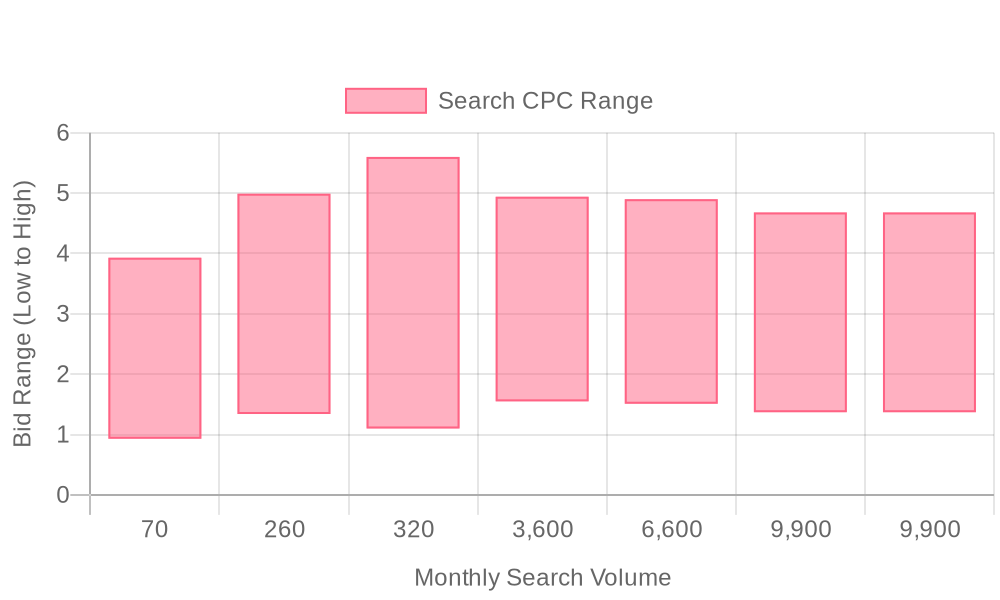
| Industry | Keyword | Monthly Search Volume | Competition Level | Low Bid | High Bid |
| Auto Machine Shop Services | engine rebuilding shops near me | 70 | LOW | 0.93 | 3.93 |
| Auto Machine Shop Services | machine shop near me automotive | 260 | LOW | 1.34 | 4.99 |
| Auto Machine Shop Services | frame machine body shop | 320 | HIGH | 1.1 | 5.6 |
| Auto Machine Shop Services | auto machine shop | 3600 | LOW | 1.55 | 4.94 |
| Auto Machine Shop Services | auto machine shop near me | 6600 | LOW | 1.51 | 4.9 |
| Auto Machine Shop Services | automotive machine shop near me | 9900 | LOW | 1.37 | 4.68 |
| Auto Machine Shop Services | car machine shop near me | 9900 | LOW | 1.37 | 4.68 |
Developing a high-impact keyword strategy is foundational for auto machine shop services aiming to capture qualified leads through Google Ads. The right keyword selection ensures your advertising budget reaches procurement professionals, engineers, and business owners with immediate project needs, rather than attracting low-intent or consumer traffic. Leveraging quadrant analysis, marketers can categorize keywords by intent and specificity, allowing for strategic allocation of spend toward high-value, conversion-ready search terms.
Strategically segmenting keywords into four quadrants, high intent/high specificity, high intent/low specificity, low intent/high specificity, and low intent/low specificity, ensures each ad group is optimized for performance. For auto machine shop campaigns, high intent/high specificity terms such as "CNC machining services for automotive prototypes," "custom gearbox housing fabrication," and "precision engine component machining near me" consistently deliver the most engaged leads. These keywords target active buyers ready to request quotes or initiate technical consultations, which is critical for filling production pipelines and maximizing Google Ads ROI for auto services.
The process does not end at segmentation. Validating conversion paths is crucial for understanding which audience segments move efficiently from first click to RFQ submission or direct inquiry. Integration with CRM data empowers revenue teams to track qualified leads through the sales funnel, closing the loop between ad spend and actual revenue. When Sona's Identity Resolution unifies website visitor identification with CRM records, marketers gain a granular view of which companies are engaging and at what stage, allowing for audience lists that dynamically update as leads progress. This closed-loop approach helps avoid wasted budget on unresponsive segments and keeps your targeting fresh, ensuring that every dollar invested in Google Ads for auto machine shop services drives measurable business impact and enhances overall campaign ROI.
Supplementing core terms, secondary keyword opportunities include process- and application-focused phrases like "5-axis metal machining for auto," "AS9100 certified machine shop," "short-run automotive parts fabrication," and "machined aluminum parts supplier." Localized modifiers, such as city or region names, further drive results by aligning campaigns with the intent of nearby manufacturers, repair shops, and auto service businesses searching for reliable partners. Regular keyword refinement, informed by real-time intent signals, enables marketers to pivot quickly, shifting budget to high-converting terms and dynamically updating audiences as prospects progress from research to RFQ submission.
Step-by-Step Campaign Execution Framework for Auto Machine Shops
A high-performing Google Ads campaign for auto machine shop services requires technical precision, consistent messaging, and robust data integration. Each step in campaign execution must be designed to capture the attention of industrial buyers and convert technical interest into qualified leads. This framework aligns your paid media efforts with your sales pipeline, optimizing every touchpoint for actionable results. Sample terms that anchor this framework include precision machining services near me, CNC milling for automotive parts, and rapid prototyping machine shop.
Step 1: Build Targeted Keyword Lists
- 24 hour emergency machine shop
- Engine block machining specialists
- Metal turning and fabrication shop
- AS9100 certified machine shop
Enrich your keyword research by analyzing search trends, competitor ad copy, and the actual queries triggering conversions, many of which reflect a breakdown in progress: "same day machine shop," "crankshaft grinding emergency," "fleet repair machine shop open now." Use negative keywords to filter out DIY, hobbyist, or unrelated searches that drain your budget, since a shop paying for clicks from home mechanics looking for tutorials is burning spend that should go toward commercial accounts. As you gather data, refine your keyword lists to prioritize commercial intent and adjust bidding to favor high-converting search terms. Dynamic audience sync between your CRM and Google Ads platform ensures campaigns reflect the most up-to-date buyer interests and intent signals.
The upgrade most auto machine shop services advertisers miss is going beyond raw keyword volume to layer in intent and identity signals. By connecting website-visitor data and CRM records with Sona Marketing Measurement, you can see which specific search terms bring in the accounts and customers that actually convert, and weight your keyword and bidding strategy toward those rather than the terms with the highest search volume alone.
Step 2: Develop Compelling Ad Copy
Custom aluminum machining is one example of a service that benefits from targeted ad copy. Leverage ad assets to feature certifications, lead times, and value-added services such as free DFM analysis or instant quoting. Responsive search ads, a format available within Search campaigns, let you test multiple headline and description variations automatically, optimizing for the combinations that drive the most engagement. Integrate CRM insights to personalize messaging based on a visitor's stage in the buying process, converting technical interest into measurable sales opportunities. Terms such as auto repair machine shop can be further refined with geographic and industry-specific modifiers, boosting local relevance and conversion potential. Integrating these strategies with robust negative keyword lists and regular performance reviews ensures sustained efficiency and high ROI. By continuously enriching keyword targeting and syncing audience data directly from CRM platforms into Google Ads, auto machine shops can deliver personalized campaigns that turn searchers into high-value leads.
Tips on Expanding Your Presence in Auto Machine Shop Services
Continuous optimization in Google Ads for auto machine shops hinges on closed-loop analytics. Establish conversion tracking that attributes online and offline actions, phone calls, RFQs, and in-person shop visits, back to specific campaigns and keywords.
Auto machine shop service providers can achieve measurable growth by focusing on highly-targeted marketing and streamlined data workflows. Precision in messaging and an agile response to buyer signals help capture demand from procurement teams, engineers, and technical buyers evaluating machining partners.
Enhancing your marketing impact starts with leveraging educational content to nurture leads at each stage of the decision process. Cross-promoting resources such as technical guides, process explainers, or materials selection handbooks positions your business as a trusted advisor, not just a vendor. For additional strategies on lead nurturing and content creation, visit our library of marketing playbooks. This approach not only builds authority but also increases the likelihood of your shop being shortlisted for RFQs and consultations as buyers progress from research to purchase.
Utilize predictive buyer journey tracking to spot emerging high-intent segments and ensure your remarketing efforts stay relevant as leads progress. Automated audience refresh and real-time bid adjustments drive sustained campaign growth.
Segmented upsell campaigns unlock additional value from existing customers by matching services to evolving client needs. For example, targeting past clients of CNC prototyping with educational content about your precision finishing or quality assurance processes creates meaningful opportunities for expansion. When dynamic audience management updates campaign audiences as contacts move from early research to active buying cycles, outreach always aligns with current customer intent, ensuring upsell and cross-sell efforts reach customers at the right time.
Partnering with industry associations and local manufacturing groups increases brand visibility within highly specialized networks. These collaborations provide co-marketing opportunities, such as webinars, joint case studies, or sponsored technical events, that drive new contacts into your pipeline. Localizing your efforts by highlighting proximity to regional automotive manufacturing hubs and referencing relevant certifications resonates with decision-makers who value supplier reliability and quick turnaround.
Utilizing search data to identify trending topics and technical queries enables you to create content and promotions precisely tailored to your market. Monitoring which search terms bring visitors to your website helps prioritize product pages, case studies, and ad messaging that address the most urgent needs of your buyers. When visitor identification goes beyond anonymous traffic to reveal specific companies and high-intent accounts, you can adjust budgets to focus efforts on those segments with the strongest purchase signals.
Campaign success multiplies when Google Ads data syncs directly with your CRM and sales enablement platforms. This integration ensures that new leads, enriched with firmographic and intent data, flow instantly to sales teams for rapid follow-up. For a detailed walkthrough on campaign integration, check out our guide to synchronizing Sona with your CRM.
Maintaining agility and data responsiveness is essential for keeping deals in motion and shortening the sales cycle. By syncing enriched lead data and audience updates across platforms like Google Ads and your CRM, auto machine shop marketing teams can deliver relevant, timely follow-up, closing the gap between first touch and closed deal. This unified approach ensures every campaign is grounded in actionable intelligence, making it easier to outpace competitors and capture greater share of attention in a crowded market.
Beyond Google Ads: Winning the AI Answers Auto Machine Shop Services Buyers Now Trust
Paid search captures demand at the moment someone types a query. But a fast-growing share of auto machine shop services buyers no longer start at Google at all, they ask ChatGPT, Gemini, or Perplexity before they ever run a search, and Google's own AI Overviews increasingly summarize answers above the traditional results. If your business isn't referenced in those AI answers, you're invisible at the exact moment buyers build their shortlist.
Sona AI Visibility shows where your business shows up across ChatGPT, Gemini, Perplexity, Google AI Overviews, and 10+ engines, and, much like a keyword report, which prompts actually send you buyers, so you can prioritize the ones that convert. Run the two together and you cover the entire buyer path: get cited where buyers research (AI Visibility), then prove which of that demand turns into booked revenue (Marketing Measurement).
Helpful resources
Helpful resources
Conclusion
Google Ads works for an auto machine shop when it's built around the moment a customer actually needs help, not around generic visibility. Strategic targeting, ad copy that speaks to technical buyers, and continuous optimization put your shop in front of the procurement manager or fleet operator searching right now, rather than hoping they find you eventually.
The shops that win with Google Ads treat it as a live feedback loop: keyword and audience data get sharper every week, and the accounts that actually convert shape where the next dollar goes. That loop, not any single ad or keyword, is what compounds into a full production schedule.
Now, it's time to put these insights into action. Start for free to experience our platform and its capabilities today, and watch your auto machine shop services reach new heights.
FAQ
What are the best practices for Google Ads in auto machine shops?
The best practices include using intent-based targeting, audience segmentation, advanced conversion tracking, and dynamic messaging aligned to each service offered.
How can I create effective Google Ads for my auto machine shop?
To create effective Google Ads, focus on precision-focused campaigns, targeted keyword lists, segmented audiences, and conversion-focused landing pages.
What budget should I allocate for Google Ads in auto services?
Allocate budget based on high-value segments and continuously optimize by attributing campaign spending to qualified leads, rather than just clicks or impressions.
How do I measure the success of Google Ads for my auto machine shop?
Measure success using robust attribution systems that integrate online and offline conversion tracking to evaluate which campaigns and keywords drive qualified leads and revenue.
What keywords should I target for Google Ads in auto repair?
Target high-intent keywords like 'CNC machining for automotive,' 'precision CNC machining,' and 'sheet metal fabrication near me' while excluding irrelevant searches with negative keywords.







