


A homeowner searching "walk-in tub installation near me" at 11 p.m. is not browsing, they're responding to a fall, a diagnosis, or a family decision made that afternoon. Aging-in-place remodeling runs on that kind of urgency, and Google Ads is the tool built to catch it: prospects at their moment of need, terms specific enough to filter out casual renovators, and tracking that follows a click all the way to a signed contract. Done well, this channel doesn't just add leads, it becomes the clearest record of which campaigns actually turn into finished projects.
How to Generate Aging-in-Place Remodeling Services Leads with Google Ads: A Step-by-Step Guide

Effective digital marketing for remodeling businesses demands precise targeting and measurable results. By leveraging data-rich platforms, modern revenue teams can connect with high-intent prospects actively searching for aging-in-place remodeling solutions and ensure every marketing dollar is traceable to revenue outcomes. For more strategies on driving measurable marketing outcomes, visit our marketing analytics blog.
Google Ads for aging-in-place remodeling works best when it treats local homeowners as people acting on a specific need, not a demographic. Strategic campaign structure, intelligent audience segmentation, and advanced attribution models ensure no qualified lead slips through, even when early research happens anonymously or across several visits before anyone fills out a form.
Aging-in-place remodeling has an unusual buyer journey: the person researching is often not the person who will live in the remodeled space, and the decision typically involves an adult child, a caregiver, or a discharge planner weighing in after a hospital stay or a fall. Dynamic audience segments that update as intent signals shift let advertisers speak differently to the homeowner comparing contractors than to the daughter who found the site at midnight after a difficult phone call. Real-time syncing of enriched lead and account data into advertising and CRM platforms eliminates manual handoffs and accelerates follow-up, which matters most in this category, where a slow callback can mean losing the job to whichever contractor answers first.
Continuous optimization, powered by granular conversion tracking, ensures campaigns adapt to shifting demands and market realities. Marketers can attribute value across all touchpoints, from initial ad click to final contract, closing the loop on aging-in-place remodeling lead generation and maximizing ROI at every stage.
Why Does Google Ads Matter for Aging-in-Place Remodeling Services

Aging-in-place remodeling services operate in a market where timing and visibility are critical. Homeowners and their families search for solutions in urgent, intent-driven moments, making it essential for service providers to appear at the top of relevant search results. Google Ads enables businesses to intercept these high-intent queries with precision, ensuring their offerings are visible exactly when decisions are being made, see this analysis of the growing market for aging-in-place remodeling for deeper insight into this unique business opportunity.
Anonymous website visits often represent missed opportunities, as many potential leads never convert on their first interaction. By using company-level visitor identification, marketers can transform these anonymous sessions into actionable insights, prioritizing ad spend toward the companies and accounts already showing strong buying intent. Integrating campaign data across channels empowers revenue teams to analyze which sources drive the most valuable projects, informing budget allocations and future digital marketing for remodeling strategies while staying ahead of local demand trends.
Common Types of Google Ads Campaigns for Aging-in-Place Remodeling Services
- Search Campaigns: Search campaigns capture high-intent prospects seeking aging-in-place remodeling services. These campaigns ensure your business appears at the top when potential clients research urgent needs like walk-in tubs, accessible bathrooms, or home modifications for seniors. By targeting location-specific keywords and leveraging precise search intent data, marketers can allocate budgets toward prospects most likely to convert. Integrating real-time audience segments with CRM enrichment allows revenue teams to prioritize spend on decision-ready households, improving lead quality and accelerating sales cycles.
- Display Campaigns: Display ads keep your brand visible across the web, building awareness among homeowners and families considering future renovations. Display placements on relevant sites and apps help educate audiences about aging-in-place solutions before they even begin their active search. When combined with visitor identification technology, marketers can retarget visitors who have shown interest in your website or content, reinforcing your value proposition and nurturing them toward conversion.
- Video Campaigns: Video ads show, rather than tell, what a completed accessible bathroom or zero-step entry looks like, which matters when the buyer is picturing a parent's daily routine rather than a renovation. These campaigns extend your reach on platforms like YouTube, reaching both the homeowner and the adult child who may be researching on their behalf. Marketers can use dynamic audience segmentation to serve different cuts of the same footage depending on where a viewer sits in the decision, a safety-focused testimonial for someone early in research, a financing message for someone closer to booking. For more on video ad strategies, explore effective Google Ads tactics for remodelers.
- Remarketing Campaigns: Remarketing keeps your services top-of-mind for prospects who have previously engaged but have not yet taken action. By leveraging behavioral triggers and granular audience updates, marketers can automatically adjust messaging for users revisiting your pricing pages, contacting sales, or downloading informational guides. Seamless integration between CRM data and ad platforms ensures remarketing lists stay current, increasing relevance and driving higher conversion rates.
- Performance Max Campaigns: Performance Max lets a single campaign bid across Search, Display, YouTube, and Maps at once, using conversion data to find households actively researching accessibility upgrades. For aging-in-place remodelers, this is especially useful for filling gaps between big seasonal pushes (spring bathroom season, post-holiday fall-risk conversations) when manual channel-by-channel management would miss volume. Feeding it clean, CRM-verified conversion data, rather than raw form fills, keeps it bidding toward real project inquiries instead of tire-kickers.
- Ad Assets: Ad assets enhance the credibility and visibility of your search ads by providing additional information such as phone numbers, sitelinks to service pages, customer testimonials, and certification badges. For aging-in-place remodeling, showcasing affiliations like CAPS (Certified Aging-in-Place Specialist) or highlighting free consultations fosters trust and encourages more qualified inquiries. Centralized data sync between your CRM and ad accounts allows automation of asset updates as your offerings or credentials evolve, ensuring consistent and authoritative messaging.
Ready to optimize your campaigns? Get started for free with Sona.
Where to Find Growth Opportunities

B2B revenue teams seeking to accelerate growth in aging-in-place remodeling can unlock significant opportunity by moving beyond broad keywords to hyper-focused vertical terms. Targeting niche phrases such as "senior bathroom modifications" or "grab bar installation for elderly homes" positions campaigns in front of homeowners and caregivers actively searching for specialized solutions, ensuring ad spend is directed toward high-intent prospects. For actionable guidance, this step-by-step guide for remodelers on Google Ads can help structure campaigns aimed at local, high-intent audiences.
A structured competitor gap analysis reveals untapped keyword spaces and overlooked content strategies that competitors are missing. By mapping out where rivals are absent, whether in localized search terms, underserved service offerings, or specific buyer personas, marketing leaders gain actionable intelligence to prioritize expansion and investment. This approach complements efforts to optimize digital marketing for remodeling by spotlighting where new demand can be captured.
Placement research matters more in this category than in most home-improvement niches, because the aging-in-place market moves with regulatory shifts (building codes for grab bars and ramps, Medicaid waiver rules), caregiver research habits, and seasonal patterns like a spike in inquiries after winter fall injuries or before adult children visit for the holidays. Effective placements may include local service directories, senior living forums, hospital discharge-planning resources, and home safety blogs, channels a general remodeling campaign would never think to test. By leveraging precise audience intelligence, marketers can activate these channels with tailored creative and deliver messaging to the right segment at the moment of need.
Content retargeting strategies help reinforce brand authority and drive incremental conversions from warm traffic. By segmenting visitors based on the specific aging-in-place pages they interact with, such as accessible kitchen remodels or wheelchair ramp installations, teams can serve follow-up ads addressing their unique needs. Utilizing unified go-to-market data, marketers can pinpoint which companies are returning and update retargeting audiences in real time for prioritized outreach.
Disconnected campaigns lead to fragmented messaging and wasted budget, particularly in multi-channel environments. Aligning intent signals across Google Ads, paid social, and email ensures consistent communication and a seamless buyer journey. When audience lists and engagement data are dynamically synced between CRM, ad platforms, and analytics dashboards, revenue teams avoid duplication, nurture leads more effectively, and ultimately maximize conversions from their campaigns.
How to Apply Audience Segmentation for Aging-in-Place Remodeling Services

Precise audience segmentation unlocks higher conversion rates and greater efficiency for aging-in-place remodeling services. By understanding the distinct motivations and needs of homeowners and their families, marketing teams can craft hyper-relevant messaging that connects at every stage of the buyer journey. For ongoing insights into segmentation strategies and marketing analytics, visit the Sona blog.
Segmenting your potential customers begins with mapping the entire journey, from initial research on safety upgrades to booking consultations for major renovations. For aging-in-place, segments often include elderly homeowners, adult children researching modifications for parents, and healthcare professionals advising on home safety. Each segment responds to different triggers: some seek specific accessibility solutions, while others prioritize trust signals or financial guidance. For a deeper look at the growing opportunities in this market, explore this analysis of aging-in-place remodeling.
Overlaying these segments with intent data, such as search queries for "walk-in tub installation," "bathroom grab bars," or "wheelchair ramp remodel", lets marketers build segment-based ad groups that are highly tailored, targeting users based on both their profile and the urgency of their needs. Leveraging unified data from website visits and CRM records, marketers can identify high-value accounts and shift budget toward those showing real purchase intent.
Behavioral patterns offer further refinement. For instance, visitors who repeatedly engage with cost calculators or financing pages typically signal readiness for a sales conversation. By integrating these signals, segment definitions become dynamic, updating as leads progress through the funnel. Modern platforms enable syncing these enriched audiences into ad platforms and major CRMs, ensuring every message remains timely and relevant. If you're ready to streamline your segmentation and targeting, get started for free with Sona and see how unified data can transform your remodeling services marketing.
This is also where measurement changes the economics. With Sona Marketing Measurement you can identify the companies and buyers behind your ad clicks, not just anonymous sessions, and segment audiences by who actually becomes a customer. That lets you build bid adjustments and audience signals around the segments that convert and de-prioritize the ones that don't, so you feed Google's algorithms "this click became a paying aging customer" instead of just "someone filled out a form."
Keyword Strategy & Sample Target Terms
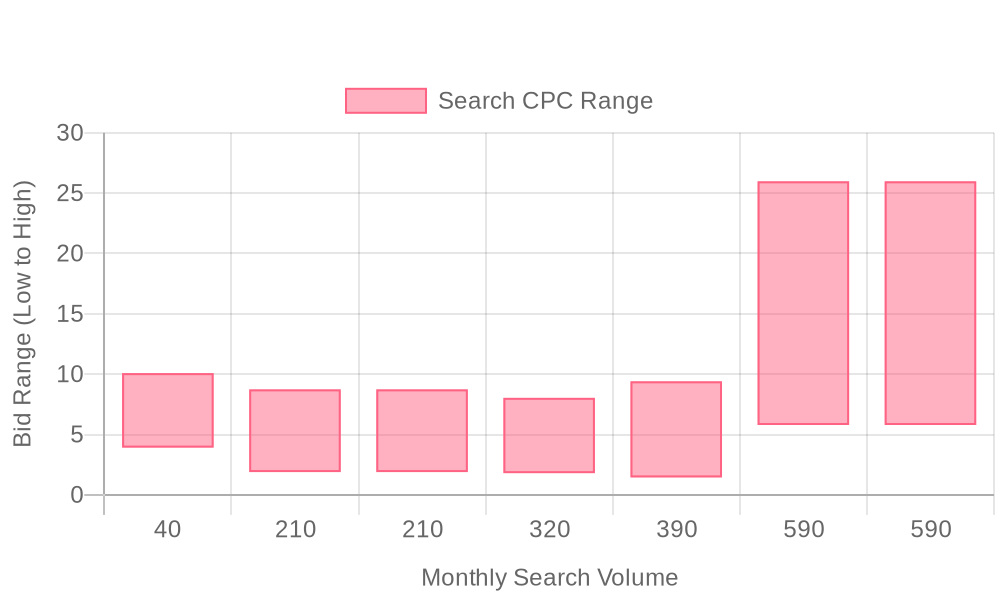
| Industry | Keyword | Monthly Search Volume | Competition Level | Low Bid | High Bid |
| Aging-in-Place Remodeling Services | aging in place renovations | 40 | LOW | 3.92 | 10.09 |
| Aging-in-Place Remodeling Services | aging in place bathroom design | 210 | MEDIUM | 1.89 | 8.74 |
| Aging-in-Place Remodeling Services | bathroom design for aging in place | 210 | MEDIUM | 1.89 | 8.74 |
| Aging-in-Place Remodeling Services | bathroom designs for the elderly | 320 | MEDIUM | 1.8 | 8.04 |
| Aging-in-Place Remodeling Services | age in place remodeling | 390 | LOW | 1.45 | 9.41 |
| Aging-in-Place Remodeling Services | bathroom renovations for elderly | 590 | MEDIUM | 5.79 | 25.98 |
| Aging-in-Place Remodeling Services | bathroom remodeling for elderly | 590 | MEDIUM | 5.79 | 25.98 |
Effective digital marketing for remodeling relies on precise keyword segmentation to target high-intent prospects searching for aging-in-place solutions. Identifying the right terms helps prioritize budget toward audiences actively seeking senior home renovation advertising or related remodeling services. For a step-by-step approach to planning campaigns, see this guide for remodelers on Google Ads.
Segmenting keywords by service, such as walk-in tub installations, grab bar additions, or home accessibility assessments, enables ads to match the diverse needs of homeowners and their families. Integrating negative keyword lists, like DIY remodeling or unrelated contracting terms, further refines reach by filtering out unqualified clicks, which preserves spend for real prospects. Explore more best practices and actionable strategies in our marketing playbooks.
Advanced platforms empower teams to use real-time audience and behavioral data to optimize keyword targeting. This allows marketers to adjust bids dynamically as prospects move through the decision funnel, shifting spend to the terms with the highest likelihood of generating qualified remodeling lead generation. For example, as users show increased interest in home modifications, audiences update automatically to serve the most relevant local remodeling service ads and offers.
Data-driven segmentation also supports granular measurement of which keywords convert across both online and offline channels. By syncing enriched visitor data and CRM insights directly with ad platforms, teams get a unified view of PPC for remodeling businesses, enabling better reporting on ROI and more strategic reallocation of budget.
Step-by-Step Campaign Execution Framework
Step 1: Build Targeted Keyword Lists
Precision in keyword selection drives campaign performance for aging-in-place remodeling services. Organize keywords by specific service types, such as walk-in tub installations or zero-threshold showers, while layering local modifiers and long-tail terms that capture high-intent searches from homeowners and their families. Negative keyword filters are essential to eliminate irrelevant clicks, ensuring budget allocation stays focused on prospects with real purchase intent.
Aligning keywords with content marketing initiatives strengthens visibility and relevance. When keyword data and website engagement patterns are unified, marketers can identify which search queries drive qualified leads, not just site visits. Solutions that reveal which companies and people are visiting your website enable more accurate audience segmentation, feeding insights back into the keyword strategy for ongoing refinement. For additional strategies on attracting local clients, review this step-by-step Google Ads guide for remodelers.
The upgrade most aging advertisers miss is going beyond raw keyword volume to layer in intent and identity signals. By connecting website-visitor data and CRM records with Sona Marketing Measurement, you can see which specific search terms bring in the accounts and customers that actually convert, and weight your keyword and bidding strategy toward those rather than the terms with the highest search volume alone.
Step 2: Develop Compelling Ad Copy
Effective ad copy in the aging-in-place remodeling category addresses the urgent needs of seniors and their families, such as safety and accessibility, while highlighting industry credentials like Certified Aging-in-Place Specialist (CAPS) certification. Messaging that directly references local experience, project financing options, or rapid installation timelines resonates with decision-makers who need immediate solutions.
Incorporating urgency-driven offers, such as seasonal discounts or complimentary consultations, further compels action. When ad engagement data is integrated with CRM systems and dynamic audience segments, marketers can personalize messaging based on funnel stage or past interactions. This approach ensures each touchpoint is relevant, increasing the likelihood of conversion and maximizing the impact of every ad dollar.
Step 3: Design Effective Landing Pages
Landing pages should maintain a seamless narrative from keyword to ad to page, with every element reinforcing trust and credibility. Display trust badges, such as Google Guaranteed or local industry associations, alongside visual proofs of ROI like before-and-after project galleries or customer testimonials. Clear, prominent calls-to-action, paired with concise forms, remove friction from the conversion process.
By connecting web behavior and ad engagement with offline sales data, marketers can pinpoint which landing page variations and value propositions drive revenue. Integrating first-party intent signals and real-time visitor identification enables continuous landing page optimization, ensuring the highest-yield segments always see the most relevant content and offers. Explore effective ad targeting methods for home improvement companies in this ad targeting strategies guide.
Step 4: Implement Data-Driven Optimizations
Ongoing optimization means tracking conversions from the first click through the in-home consultation to the signed contract, not stopping at the form fill. Smart bidding strategies adjust automatically based on conversion likelihood, using performance data to cut waste on clicks that never turn into estimates. Reviewing which audience segments, keywords, and ad variations actually produce booked jobs, on a regular cadence, keeps budget moving toward what works.
Integrating ad platform data with CRM and sales systems enables a closed-loop approach to attribution, capturing both online and offline interactions. When enriched audience lists are dynamically synced across Google Ads and marketing automation tools, remarketing and lookalike strategies become more precise. This data-centric framework accelerates learning cycles, allowing revenue teams to shift budget toward the highest-converting audiences and continuously raise the bar on campaign ROI. For more on retargeting, review these retargeting strategies.
Sona Marketing Measurement closes the gap between clicks and revenue. It captures ad clicks with first-party measurement, then ties that click through UTM capture and ad-platform APIs to the actual record in your CRM, and reports ROAS by keyword and campaign instead of by last-click form fill. Feeding that revenue signal back into Smart Bidding and Performance Max compounds over time: the algorithms optimize toward booked aging revenue, not cheap leads.
Tips on Expanding Your Aging-in-Place Remodeling Presence
Expanding your presence in the aging-in-place remodeling sector requires a blend of digital agility and local relevance. Effective strategies empower you to connect with the right decision-makers, accelerate pipeline velocity, and build brand equity in a competitive market. For ongoing insights on marketing analytics and best practices, explore our marketing analytics blog.
- Cross-promote valuable assets: Leverage high-value resources such as home safety checklists, before-and-after project galleries, or financial planning guides tailored for senior homeowners. Promoting these assets across email campaigns, social media, and local directories drives both brand authority and inbound lead volume. Enhanced campaign data can pinpoint which resources are attracting high-intent prospects, enabling you to prioritize follow-up on the most engaged leads.
- Upsell based on CRM data insights: Use enriched CRM data to identify patterns in customer needs, such as interest in bathroom conversions or accessibility upgrades. Running targeted upsell campaigns becomes more effective when audiences are updated dynamically as clients move through the buying journey. By syncing CRM and ad platforms, you ensure promotions for complementary services, like grab bar installation or walk-in tub upgrades, reach the right households at the right moment.
- Partner with industry associations: Strategic partnerships with organizations such as local chapters of the National Association of Home Builders or AARP foster trust and increase your credibility among seniors and their families. Joint webinars, co-branded community events, and shared marketing materials amplify your message and open doors to new referral streams. For a deeper understanding of business opportunities in this segment, review this growth opportunity analysis.
- Localize efforts for greater community presence: Hyperlocal advertising, event sponsorships, and participation in senior expos or health fairs strengthen your connection with the community. Localized campaigns that feature neighborhood-specific testimonials or highlight your involvement in local projects boost conversion rates. By integrating visitor identification and offline-to-online attribution, you can measure the true ROI of these initiatives and adjust spend to focus on the highest-performing markets.
Expanding your reach in the aging-in-place remodeling market hinges on combining data-driven digital tactics with community-centered outreach. This integrated approach ensures that every marketing investment is both targeted and relevant, driving sustainable growth and deeper customer relationships.
Beyond Google Ads: Winning the AI Answers Aging Buyers Now Trust
Paid search captures demand at the moment someone types a query. But a fast-growing share of aging buyers no longer start at Google at all, they ask ChatGPT, Gemini, or Perplexity before they ever run a search, and Google's own AI Overviews increasingly summarize an answer above the traditional results. If your business isn't referenced in those AI answers, you're invisible at the exact moment buyers build their shortlist.
Sona AI Visibility shows where your business shows up across ChatGPT, Gemini, Perplexity, Google AI Overviews, and 10+ engines, and, much like a keyword report, which prompts actually send you buyers, so you can prioritize the ones that convert. Run the two together and you cover the entire buyer path: get cited where buyers research (AI Visibility), then prove which of that demand turns into booked revenue (Marketing Measurement).
Helpful resources
Conclusion
Google Ads works for aging-in-place remodeling because it meets a decision already in motion, a family noticing a parent's balance has changed, a homeowner planning ahead of a knee surgery. The businesses that win this channel aren't the ones with the biggest budgets; they're the ones whose campaigns, keywords, and follow-up are built around that specific moment of need rather than borrowed from general contracting playbooks.
The next constraint isn't traffic, it's attribution. As more research shifts to AI assistants and as privacy changes keep eroding cookie-based tracking, the remodelers who tie ad spend to CRM-verified, closed-won projects will keep out-bidding and out-learning the ones still optimizing toward form fills.
Sona unifies your go-to-market data so every ad dollar can be traced to a booked project, not just a form fill. That's the shift worth making next.
FAQ
How can I set up Google Ads for my aging-in-place remodeling business?
To set up Google Ads for aging-in-place remodeling, integrate strategic campaign structures, use intelligent audience segmentation, and implement advanced attribution models to capture high-intent prospects and measure ROI effectively.
What are the best keywords for Google Ads in the aging-in-place remodeling niche?
Effective keywords include targeted terms like 'senior bathroom modifications,' 'walk-in tub installation,' and 'grab bar installation for elderly homes' to capture high-intent searches.
How do I target the right audience for aging-in-place remodeling services using Google Ads?
Target the right audience by using dynamic audience segments based on user intent signals and tailoring messaging to different stages of the buyer journey.
What is the conversion rate for Google Ads in the aging-in-place remodeling industry?
While the article does not specify a conversion rate, it emphasizes the importance of continuous optimization and granular conversion tracking to maximize conversion rates.
How much should I budget for Google Ads for my aging-in-place remodeling services?
The article suggests prioritizing budget allocation toward high-intent prospects and refining keyword strategies to ensure effective spend, but does not provide specific budget amounts.
What are some successful Google Ads examples for remodeling companies?
Successful examples include search campaigns for urgent needs like walk-in tubs, display ads for awareness building, video campaigns on platforms like YouTube, and remarketing strategies.
How can I track and measure the success of my Google Ads campaign for aging-in-place remodeling?
Track and measure success through granular conversion tracking, real-time visitor identification, and integrating CRM and ad platform data for a unified view of campaign performance.
How do I compete with larger remodeling companies in Google Ads for aging-in-place services?
Compete by leveraging precise audience segmentation, targeting niche keywords, and conducting competitor gap analysis to identify untapped opportunities.
What is the difference between Google Ads and other platforms like Facebook Ads for aging-in-place remodeling services?
Google Ads allows targeting high-intent search queries with precision, intercepting potential clients at the moment of decision-making, whereas platforms like Facebook Ads may focus more on audience engagement and awareness.
How can I optimize my Google Ads for better ROI in the aging-in-place remodeling market?
Optimize Google Ads by using data-driven segmentation, precise keyword targeting, continuous campaign adjustments based on conversion data, and aligning intent signals across channels.







