


A cracked door closer or a commercial storefront that won't lock doesn't wait for business hours, and the customer facing it searches immediately. In the door repair trade, whoever answers that search first usually wins the job, since a homeowner locked out or a property manager with a jammed loading-dock door rarely calls a second company once the first one picks up. Google Ads lets door repair businesses show up precisely when someone types "emergency door repair" or "door repair services near me," turning a moment of urgency into a booked service call.
How to Generate Door Repair Leads with Google Ads: A Step-by-Step Guide
Door repair companies operate in a market where speed, relevance, and conversion efficiency are critical. Modern digital advertising demands a precise, data-driven approach that seamlessly connects urgent customer intent with real-time business capabilities. To reveal which companies and people are visiting your website, even if they don't fill out a form, Sona's Identity Resolution can transform anonymous traffic into actionable sales opportunities.
Integrating insights from paid search into a larger multi-channel strategy is essential for sustainable growth. Today’s advanced tools enable intent-based audience segmentation, helping businesses reduce the lag between a prospect’s action and a sales team’s response. For practical examples of effective lead generation in this industry, review this SEO case study for garage door repair companies.
Specific targeting strategies tailored for door repair allow companies to engage unique buyer personas, such as property managers, commercial facility teams, or homeowners facing urgent repairs. Data consolidation across all touchpoints ensures follow-up is prioritized according to the depth and recency of company engagement, maximizing the value of every prospect interaction.
Aligning landing pages and creative assets to match each campaign’s intent is crucial. Generic, one-size-fits-all ads and pages consistently underperform in this sector. Instead, personalized content and conversion-driven design can double conversion rates and clarify the path to purchase for every visitor.
Incremental optimization is key to long-term PPC success. Applying iterative enhancements, such as ongoing negative keyword management, ad copy testing, and landing page improvements, compounds ROI over time. With synchronized data between ad platforms and sales systems, teams can ensure that every touchpoint, from ad impression to closed deal, is measured and attributed for maximum clarity on marketing effectiveness.
Cross-channel synchronization further elevates lead quality and volume. When Google Ads, remarketing, and email outreach are unified, companies can reinforce messaging at every stage of the buyer journey. This holistic approach creates a seamless handoff between marketing and sales, ensuring prospects receive timely, relevant engagement and accelerating the route from click to contract.
Why Does Google Ads Matter for Door Repair?

Google Ads delivers unmatched access to high-intent audiences who are actively searching for door repair solutions at the exact moment of need. This direct connection eliminates wasted impressions and significantly reduces the time it takes to convert an urgent inquiry into a qualified lead. By leveraging real-time audience insights, marketers can reinforce messaging to prospects showing purchase intent and prioritize leads with the highest conversion potential.
By focusing PPC for door services on immediate, high-margin repairs, businesses gain an edge in local SEO for door repair and maximize visibility when demand peaks. Explore SEO case studies for garage door repair companies to see how granular targeting and optimized campaigns provide a competitive advantage. The advanced segmentation available in Google Ads ensures every campaign reaches relevant prospects, especially during emergencies where timing and proximity drive decision-making.
Strategic entry into emerging service zones becomes possible through advanced targeting, overcoming the inefficiencies of one-size-fits-all campaigns. Enhanced data integration enables marketers to identify new neighborhoods or commercial districts with rising demand, supporting rapid expansion while keeping cost per acquisition in check.
Integrated data analysis transforms campaign management from guesswork into precision. Door repair marketers can visualize the entire buyer journey, track demand spikes in real time, and pivot ad creative or budget allocation to match market shifts. This leads to timely, relevant messaging that meets customers at the moment their need is most urgent. Ready to see the impact for yourself? Get started for free with Sona.
Common Types of Google Ads Campaigns for Door Repair Services
- Search Campaigns: Door repair buyers often search with urgency, using phrases such as “emergency door repair near me” or “commercial door won’t lock.” Search campaigns allow you to directly capture this intent, connecting your business with high-value leads at their moment of need. By leveraging real-time intent data, modern marketers can shift budgets instantly toward locations or audiences exhibiting urgent search behaviors, ensuring every dollar targets prospects most likely to convert.
- Display Ads: Staying top-of-mind is critical for door repair services, especially when buyers may research options before making a decision. Display ads keep your brand visible across relevant websites, industry forums, and local news platforms. By identifying which site visitors are part of your ideal audience, you can ensure your message appears to both first-time and returning prospects, building familiarity and trust that leads to higher engagement rates. For a deeper look at effective display strategies, explore these SEO case studies for garage door repair companies.
- Remarketing: Many users consider multiple providers before booking a repair. Remarketing campaigns re-engage those who visited your site but did not convert, nurturing them through the decision journey. As leads move through your funnel, dynamically updated audiences make it possible to deliver tailored follow-up ads based on their previous actions, whether they viewed service pages, requested a quote, or abandoned a contact form, helping keep your service front-and-center until they’re ready to act.
- Assets: Ad assets (formerly called extensions) transform your core ads into rich, information-packed experiences that address what matters most to door repair customers. Including location, service area, certifications, and rapid response guarantees directly in your ads increases their relevance and visibility. When campaign data is unified with your CRM, you can also highlight real-time availability or feature local reviews, making every ad interaction more personalized and trustworthy for potential clients.
Keyword Strategy & Sample Target Terms
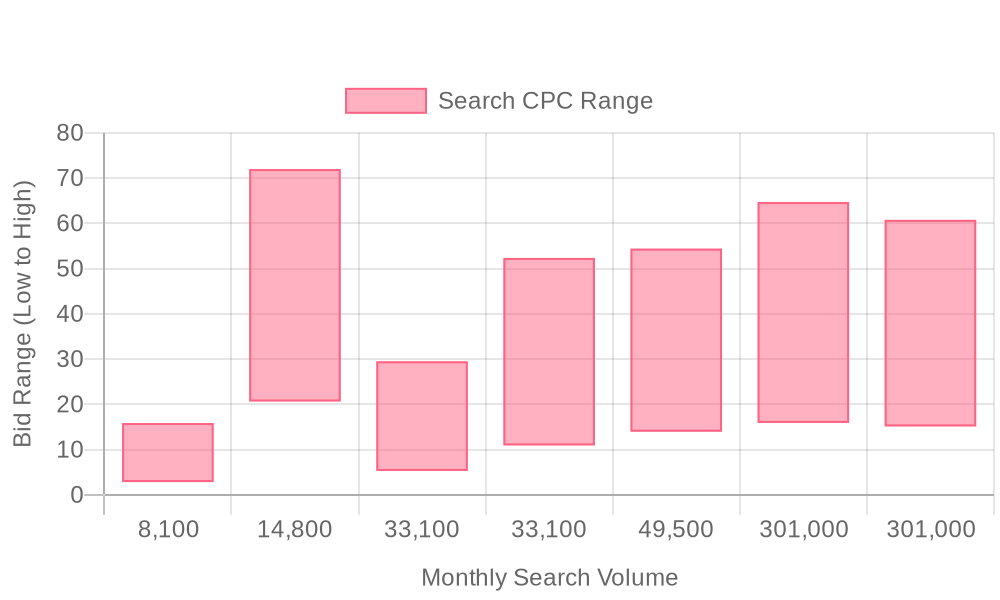
| Industry | Keyword | Monthly Search Volume | Competition Level | Low Bid | High Bid |
| Door Repair | door repair | 8100 | MEDIUM | 2.83 | 15.86 |
| Door Repair | garage repair near me | 14800 | MEDIUM | 20.64 | 71.99 |
| Door Repair | garage door replacement | 33100 | MEDIUM | 5.29 | 29.5 |
| Door Repair | garage door companies near me | 33100 | MEDIUM | 10.94 | 52.35 |
| Door Repair | garage door opener repair | 49500 | LOW | 13.96 | 54.4 |
| Door Repair | garage door repair | 301000 | LOW | 15.89 | 64.7 |
| Door Repair | garage door repair near me | 301000 | LOW | 15.13 | 60.76 |
Precision in keyword selection differentiates average door repair campaigns from those that consistently drive qualified leads and conversions. Focusing on high-intent search terms such as ‘24/7 emergency door repair service’ and ‘affordable door repair solutions’ ensures your ads appear for customers with immediate needs and a clear intent to book. This targeted approach not only attracts urgent, ready-to-act prospects but also keeps click costs aligned with real service demand. For more guidance on campaign structure and keyword groupings, explore this Google Ads for Door Repair strategy guide.
A successful Google Ads for Door Repair strategy avoids the inefficiency of generic terms by building campaigns around niche, issue-specific queries. For example, targeting phrases like “commercial steel door hinge repair,” “garage door opener not working,” or “sliding patio door off track” connects your ads with users actively seeking a solution to a defined problem. This level of granularity increases ad relevance, boosts quality scores, and leads to higher conversion rates, especially when each ad group is tightly themed to the terminology and urgency of its core audience. To further refine your approach, review practical tips in our demand generation playbooks.
To further optimize spend and audience quality, integrating robust negative keyword lists is essential. Excluding phrases related to DIY fixes, unrelated hardware, or non-service inquiries prevents budget drain from non-converting clicks and ensures your message reaches only those seeking professional door repair. Demographic and geographic targeting layers should complement keyword choices: use real-time audience data to segment campaigns by customer profiles or service areas, then allocate budget and creative messaging to the highest-value local opportunities. With unified campaign data, marketers can dynamically update audience lists as leads move through the funnel, syncing enriched profiles into ad platforms for retargeting and upsell. This data-driven approach makes campaign optimization continuous and responsive to real-time shifts in market demand.
Step-by-Step Campaign Execution Framework
Step 1: Build Targeted Keyword Lists
Effective keyword planning is the cornerstone of successful Google Ads for Door Repair. High-performing campaigns always start with a granular list of intent-driven phrases, each paired with local modifiers such as "door repair near me," "emergency garage door repair [city]," or "commercial entry door service [zip code]." These variations enable precision targeting, ensuring your message reaches individuals actively searching for urgent solutions in your geographic area. For more tactics on building high-performing keyword lists, explore this guide to generating local leads with Google Ads.
Equally important is the exclusion of irrelevant queries. By deploying negative keywords like "DIY door repair," "door art," or "door hardware store," you filter out non-commercial traffic. This approach keeps budgets focused on true service prospects, shrinking wasted spend and increasing the likelihood that every click advances a real sales opportunity. Advanced platforms can further refine these lists by identifying company-level visitors and overlaying intent signals, allowing marketers to prioritize outreach to high-value accounts and reduce time lost on unqualified leads.
The upgrade most door repair advertisers miss is going beyond raw keyword volume to layer in intent and identity signals. By connecting website-visitor data and CRM records with Sona Marketing Measurement, you can see which specific search terms bring in the accounts and customers that actually convert, and weight your keyword and bidding strategy toward those rather than the terms with the highest search volume alone.
Step 2: Develop Compelling Ad Copy
Ad copy that mirrors your audience’s pain points will always outperform generic messaging. Headlines such as "Locked Out? 24/7 Door Repair Fast" or "Garage Door Stuck? Local Technicians Ready Now" directly address the urgency customers experience. This targeted language not only boosts click-through rates but also positions your service as the immediate answer to pressing issues. For inspiration on improving ad performance, review these tips to optimize Google Ads campaigns for garage door repair.
Trust-building elements are crucial in the decision-making process. Promises like "Free Quotes," "No Hidden Fees," or "Licensed & Insured Since 1998" provide instant assurance while encouraging action. Including calls-to-action such as "Book Same-Day Service" or "Call Now for Priority Repair" ensures a frictionless path from ad engagement to qualified lead. When integrated with data platforms that sync CRM insights and real-time intent, ad creative can dynamically update to feature relevant offers or highlight proximity, driving stronger engagement among in-market prospects.
Step 3: Design Effective Landing Pages
Landing pages should always match the promise and messaging of your ads. When a user clicks, they must immediately see a clear call-to-action, a prominent contact form, and a direct phone number at the top of the page. This seamless alignment between ad and landing page minimizes intent drop-off and maximizes conversion rates. Segmenting by service type, such as dedicated pages for "residential garage door repair" or "commercial security doors", ensures each visitor lands on content tailored to their specific need. Learn more about PPC best practices for garage door repair businesses.
A strong landing page for door repair includes visual proof points: before-and-after photos, customer testimonials, and trust badges. This reinforces credibility while guiding users to take the next step. Advanced attribution solutions like Sona can link page conversions to both online and offline actions, giving teams complete visibility into which keywords, audiences, and creative combinations produce the highest-value leads.
Step 4: Implement Data-Driven Optimizations
Continuous optimization is critical to sustaining high performance in door repair advertising. Monitoring quality scores, click-through rates, and conversion metrics allows marketers to quickly adapt campaigns to reflect changing demand and seasonality. Smart bidding strategies, powered by real-time behavioral insights, automatically reallocate budget toward high-converting segments or respond to surges in urgent service requests. For a real-world perspective on PPC effectiveness, see this SEO case study for garage door repair companies.
Platforms that unify ad, web, and CRM data help teams identify which campaigns drive pipeline impact, not just clicks. Automated audience updates ensure that as prospects move from inquiry to booked job, they are dynamically included or excluded from remarketing efforts. This ensures every dollar is directed to the accounts most likely to close, while advanced conversion tracking ties all activity back to true ROI, streamlining both reporting and future strategy pivots.
Sona Marketing Measurement closes the gap between clicks and revenue. It captures every ad click with first-party tracking, ties that click through UTM capture and ad-platform APIs to the actual record in your CRM, and reports ROAS by keyword and campaign instead of by last-click form fill. Feeding that revenue signal back into Smart Bidding and Performance Max compounds over time: the algorithms optimize toward booked door repair revenue, not cheap leads.
Tips on Expanding Your Door Repair Presence
Expanding your presence in the door repair industry requires a blend of smart digital tactics and meaningful customer engagement. Businesses that consistently deliver value and personalize outreach see a measurable lift in conversion rates and brand trust. Discover actionable insights in our marketing playbooks.
- Retargeting with Educational Content: Retargeting visitors who have engaged with repair guides or service checklists keeps your service top of mind while adding tangible value. By segmenting audiences in real time based on specific content interactions, you can deliver follow-up ads tailored to common repair challenges or seasonal maintenance tips. Marketers leveraging dynamic audience updates ensure that prospects who move from research to consideration receive messaging relevant to their current stage in the funnel. For a deeper dive into paid campaign strategies, explore this overview of PPC for garage door repair companies.
- Strategic Upselling Using CRM Insights: Upsell opportunities become more effective when driven by unified CRM data. By tracking previous service requests and cross-referencing with behavioral intent signals, you can trigger timely offers for related services, such as lock upgrades after a repair or preventative maintenance packages. Automated syncing between CRM and ad platforms allows for seamless audience data enrichment, ensuring that every upsell is timely, relevant, and contextually appropriate. This personalized follow-up not only boosts revenue per customer but also strengthens long-term client relationships.
- Localized Campaigns and Cross-Promotion: Tailoring campaigns to reflect urban specifics or neighborhood nuances drives higher relevance and conversion rates. Incorporating local imagery, references to nearby landmarks, or partnerships with trusted local business guides helps your ads resonate with the right audience. This hyper-local approach, supported by real-time buying stage data, enables marketers to shift budget toward the highest-converting geographic segments. Cross-promotion with local businesses further extends reach, positioning your door repair service as a trusted, embedded part of the community.
Where to Find Growth Opportunities?

Modern door repair businesses benefit by exploring digital channels that competitors often neglect. Niche housing forums and directories focused on property management, local home improvement, or facility maintenance frequently attract decision-makers seeking specialized services. By targeting these platforms, marketers can position their services in front of high-intent audiences who may not be actively searching on mainstream channels, capturing incremental demand and increasing brand visibility. For additional digital demand generation strategies, explore this collection of actionable playbooks.
Conducting a competitor segmentation analysis uncovers market segments and service gaps that are currently underserved. This process identifies unique pain points and purchasing criteria within sub-niches, such as commercial property managers or multifamily building owners, allowing for the development of tailored messaging and offers. For a real-world look at how strategic targeting can drive growth, review these SEO case studies for garage door repair companies.
Integrating content retargeting elevates educational assets, such as whitepapers, how-to videos, or third-party accolades, into strategic lead magnets. By nurturing prospects with relevant, authoritative content, businesses can create a natural progression from awareness to conversion, especially when retargeting is informed by real-time intent signals. When Sona's Identity Resolution unifies visitor insights with intent signals, marketers can dynamically segment audiences and trigger tailored ads that reflect each user's stage in the buying journey, maximizing engagement and conversion rates for door repair services.
Final Thoughts
Success with Google Ads in door repair hinges on synchronizing digital customer acquisition methods to ensure lead data is both timely and actionable. Rapid response is vital in this industry, where urgent needs and high-intent searches drive immediate business opportunities. For an in-depth look at strategies that drive real results, review these SEO case studies for garage door repair companies, which highlight effective local lead generation tactics.
Components such as smart keyword management, audience segmentation, and cross-channel cohesion prime campaigns for growth, aligning marketing actions with customer journeys. By leveraging real-time audience insights, marketers can dynamically identify which visitors are most likely to convert, shifting spend in real time to target those showing immediate intent.
By honing in on data-driven insights and continually optimizing, door repair specialists can capitalize on high-intent searches efficiently without waiting for form completions or allowing leads to cool off unnecessarily. Sona's Identity Resolution enables real-time identification of visiting companies and enrichment of lead profiles, ensuring outreach is more timely, relevant, and effective.
By integrating Google Ads into your marketing toolkit, door repair service providers can effectively capture timely opportunities as potential clients search for solutions. This approach places your business front and center and pairs precise audience targeting with performance tracking that syncs with CRM and sales platforms for holistic attribution.
As digital affinity increases, a structured, data-backed Google Ads strategy is what reinforces visibility and service excellence in the door repair industry. Synchronizing efforts across channels and engaging potential customers promptly leads to better service outcomes and durable growth.
Beyond Google Ads: Winning the AI Answers Door Repair Buyers Now Trust
Paid search captures demand at the moment someone types a query. But a fast-growing share of door repair buyers no longer start at Google at all, they ask ChatGPT, Gemini, or Perplexity before they ever run a search, and Google's own AI Overviews increasingly summarize an answer above the traditional results. If your business isn't referenced in those AI answers, you're invisible at the exact moment buyers build their shortlist.
Sona AI Visibility shows where your business shows up across ChatGPT, Gemini, Perplexity, Google AI Overviews, and 10+ engines, and, much like a keyword report, which prompts actually send you buyers, so you can prioritize the ones that convert. Run the two together and you cover the entire buyer path: get cited where buyers research (AI Visibility), then prove which of that demand turns into booked revenue (Marketing Measurement).
Helpful resources
Conclusion
Door repair is won or lost in minutes: the business that shows up first in the search, answers the ad's promise on the landing page, and follows up before the lead cools gets the job. Google Ads is the mechanism for showing up at that moment, but the campaigns that keep winning are the ones tied to real booked-revenue data, not just clicks or form fills.
The door repair businesses pulling ahead right now are the ones connecting ad spend directly to booked jobs, then feeding that signal back into their bidding and their AI visibility strategy. Start for free to see how Sona connects that data for your business.
FAQ
What are the best keywords for Google Ads in door repair?
Effective keywords include high-intent search terms like '24/7 emergency door repair service' and 'affordable door repair solutions' to attract urgent, ready-to-act prospects.
How can I optimize my Google Ads for door repair services?
Optimize Google Ads by using precise, intent-driven keyword lists, developing compelling ad copy, designing effective landing pages, and continuously implementing data-driven optimizations.
What budget should I allocate for Google Ads in the door repair industry?
Allocate your budget based on targeting high-margin, urgent repairs and using real-time data insights to ensure every dollar targets prospects most likely to convert.
How do I measure the success of my Google Ads campaigns for door repair?
Measure success by tracking quality scores, click-through rates, conversion metrics, and using unified data to identify which campaigns drive pipeline impact.
What are common mistakes to avoid in Google Ads for door repair?
Avoid using generic terms, not segmenting campaigns by service type, and neglecting the use of negative keywords to filter out non-commercial traffic.







