


A commercial contractor's pipeline lives or dies on timing: the plant manager with a failed rooftop unit, the facilities director racing a compliance deadline, the general contractor sourcing a tenant improvement subcontractor before a bid deadline closes. These buyers search Google the moment the need appears, and Google Ads is the one channel built to meet them there. Unlike referrals or trade show relationships, which take months to convert, paid search puts a commercial contractor in front of a buyer actively comparing vendors for a specific project, right now. This article lays out how to build, target, and optimize Google Ads campaigns for commercial contractors, from keyword strategy through attribution, so that visibility converts into signed contracts rather than just clicks.
How to Generate Commercial Contractors Leads with Google Ads: A Step-by-Step Guide

Commercial contractor leads come from decision-makers, facilities directors, plant managers, general contractors, procurement teams, who search with specific, urgent intent: a failed HVAC unit, an upcoming compliance deadline, a tenant improvement bid. Google Ads gives you immediate visibility to those buyers at the moment they're evaluating vendors, rather than waiting for referrals or slow-building brand awareness. Built into a broader marketing strategy, it captures demand that a purely organic or word-of-mouth approach would lose to faster-moving competitors. For a comprehensive overview of PPC strategies tailored for contractors, see this guide to PPC advertising for contracting businesses.
This playbook lays out a structured framework for B2B marketers, commercial service providers, and local operators generating qualified leads through Google Ads for commercial contractors. Advanced audience targeting, intent-based keyword selection, and conversion-focused creative work together to produce campaigns that deliver measurable results. The guide below covers how to weave Google Ads into your marketing mix, align creative with buyer expectations, and refine performance as campaigns mature. For more on digital marketing and attribution strategy, visit the Sona blog.
- Data-driven paid search integration: Position Google Ads at the core of your multi-channel approach, feeding campaign insights into broader digital initiatives for scalable lead generation. By connecting ad data with CRM and site analytics, you ensure every interaction is accounted for, enabling real-time adjustments and more accurate reporting. Sona’s Destinations feature streamlines the process by syncing high-quality audience and conversion data into your CRM, empowering your team to refine bidding and maximize impact.
- Keyword and audience targeting for commercial buyers: Use intent-rich commercial construction keywords, layered with geo-targeting and firmographic filters, to reach stakeholders planning or managing large-scale projects. Refresh audience lists as prospects move through your funnel so messaging stays timely, whether that's a facilities director researching HVAC retrofits or a general contractor sourcing subs for a bid. With precise audience intelligence, marketers move beyond anonymous clicks to pinpoint company-level interest that informs both ad targeting and sales outreach.
- Landing page and creative alignment: Align ad creative with landing pages that showcase commercial expertise, licensing and safety certifications, and clear CTAs built for B2B buyers, not homeowners. Project portfolios, OSHA and LEED credentials, and testimonials from comparable commercial work do more to convert a facilities director than generic trust badges. Creative alignment across ads and landing pages, supported by conversion path analytics, shows which messaging and assets drive engagement by segment.
- Performance optimization tactics: Monitor campaign metrics continuously, using conversion tracking and attribution models to find what works. Real-time intent signals and dynamic budget allocation, powered by unified go-to-market data, let you shift spend toward high-converting accounts as soon as they emerge, a facilities team suddenly researching retrofit vendors, for instance. With advanced attribution, both online and offline conversions are tracked, so you can measure true Google Ads ROI for contractors.
- Cross-channel integration for holistic marketing: Sync audiences and conversion data across Google Ads, CRM platforms, and marketing automation tools to maintain consistent targeting and messaging. As leads move through the sales funnel, audiences are updated in real time, ensuring retargeting efforts remain timely and relevant. Sona’s CRM and ad sync enriches Google Ads audiences with firmographic and intent data, powering more precise contractor advertising strategies and improving cross-channel nurture.
This guide gives commercial contractors the frameworks and tactics needed to unify digital marketing efforts, capture high-value opportunities, and drive measurable pipeline growth through Google Ads. Ready to take your campaign results further? Get started for free with Sona.
Why Does Google Ads Matter for Commercial Contractors?

Commercial contractors operate in an environment where timing and precision define success. Google Ads enables direct access to decision-makers, such as plant managers and facilities directors, at the pivotal moment they are actively searching for specialized commercial solutions. This channel complements broader awareness strategies and ensures that the most critical, high-fit prospects do not remain invisible in your funnel. By leveraging company-level visitor identification and real-time firmographic data, marketers can attribute anonymous traffic to specific organizations and dynamically update ad audiences as new high-intent leads emerge.
For contractors focused on higher-margin projects, like large-scale installs, commercial retrofits, or urgent repairs, Google Ads consistently outperforms traditional channels for generating net-new, bottom-funnel opportunities. Email maintains existing relationships and social builds long-term brand equity, but PPC for contractors captures immediate demand from prospects who haven't engaged with your brand yet. Enriching Google Ads' custom affinity audiences with real-time audience insights and syncing that data into CRM systems ensures every dollar targets accounts most ready to convert.
Speed matters most in commercial contractor marketing when a buyer is responding to an urgent facility failure or a seasonal surge, like pre-winter HVAC upgrades or spring construction starts. Google Ads accelerates lead flow by serving timely ads to accounts already showing in-market intent. As leads move through the funnel, dynamic audience management keeps targeting aligned with buyer status, while conversion tracking that integrates online and offline touchpoints gives a full view of campaign ROI. This turns Google Ads into a driver of predictable growth and a more agile, data-driven sales process.
Common Types of Google Ads Campaigns for Commercial Contractors

- Search Campaigns: These ads appear directly in Google's search results when decision-makers search for commercial construction services, capturing high-intent queries like "commercial roofing contractor" or "tenant improvement general contractor." Search is ideal for capturing bottom-of-funnel prospects, including interest that originated from earlier brand touchpoints. When marketers use unified data to see which keywords drive the most qualified inquiries, they can shift spend toward the highest-converting terms. For a deeper dive into setup and optimization, review this comprehensive guide on Google Ads for contractors.
- Display Ads: Display campaigns boost brand recall by placing visual ads across industry publications, news sites, and relevant business portals. This format nurtures potential clients who are researching solutions but not yet ready to engage, reinforcing messages delivered through email, events, or organic channels. With advanced audience segmentation, display ads can retarget only those who previously engaged with commercial portfolio pages, ensuring each impression aligns with the prospect’s unique journey stage.
- Video Ads: Video campaigns provide an immersive way to showcase complex commercial projects, safety protocols, or unique service capabilities. These ads extend the reach of content marketing, allowing contractors to visually demonstrate expertise and differentiate from competitors. When video engagement is tracked alongside website and CRM activity, teams can identify which viewers are showing in-market intent and prioritize follow-up or retargeting accordingly.
- Remarketing: Remarketing campaigns re-engage visitors who explored service offerings, requested quotes, or abandoned inquiry forms, creating multiple touchpoints as prospects move through the funnel. New integrations allow marketers to pinpoint specific companies or decision-makers, then deliver customized messages based on their latest interactions, such as revisiting pricing pages or downloading case studies. Dynamic audiences update in real time, ensuring remarketing always reflects current prospect behavior.
- Assets: Ad assets add essential credibility to campaigns by displaying location, certifications, reviews, or rapid response time directly in the search result. These elements validate the claims made in other contractor marketing materials and can meaningfully increase conversion rates by building trust with procurement teams and facility managers. When asset performance data is unified with conversion tracking, marketers can see which trust signals most influence deal closure, refining future contractor advertising strategies. To see how other contractors are leveraging these features, explore 2024 Google Ads insights for general contractors.
Where to Find Growth Opportunities in Commercial Contracting

Expanding reach in commercial contracting requires going beyond standard PPC for contractors. Identifying untapped opportunities within Google Ads for Commercial Contractors involves precision targeting, nuanced audience segmentation, and leveraging new placements that escape traditional organic visibility. These actions equip revenue teams to capture high-intent buyers and drive compounding ROI.
- Vertical keyword targeting for specialty services: Focusing on keywords tied to niche offerings (such as industrial HVAC retrofits, LEED-certified builds, or warehouse automation) allows contractors to address markets underserved by general search terms. This refined approach improves quality scores and ad relevance, resulting in higher conversion rates and lower cost per acquisition. Crafting ad groups around these specialty keywords ensures campaigns target decision-makers seeking specific expertise within the commercial sector. For a step-by-step process, review this guide on effective Google Ads techniques.
- Competitor gap analysis: Utilizing insights from Google Ads auction data and third-party research tools, commercial contractors can detect gaps where competitors underserve certain regions, verticals, or service lines. This enables targeted bidding on high-ROI micro-segments, such as medical facility construction or tenant improvement projects. Dynamic audience syncing streamlines this process by updating target lists as new opportunities emerge, ensuring ads reach newly identified in-market accounts as soon as intent signals appear.
- Industry-specific placements: Reaching buyers on trade forums, business directories, or commercial real estate networks can capture leads not active on broader search or social channels. These placements extend the reach of Google Ads for contractors to platforms where enterprise decision-makers research suppliers and vendors. By integrating visitor identification, marketers can pinpoint which companies engage with these industry channels and route qualified leads to sales teams in real time.
- Content retargeting tied to marketing assets: Deploying retargeting campaigns based on engagement with whitepapers, project checklists, or technical videos ensures outreach aligns with each prospect’s buyer journey stage. This approach nurtures interest and moves leads through the funnel by delivering relevant messaging after initial engagement with owned content. When intent data is synchronized across CRM and ad platforms, retargeting lists update automatically, allowing budget to shift toward accounts demonstrating the highest conversion potential.
Disconnected intent signals lead to generic outreach and missed conversions. Aligning audience segmentation with dynamically updated buyer data ensures every ad reflects the latest read on prospect behavior and deal progression, whether that's a hospital system researching medical facility construction or a school district planning a summer renovation window. This turns Google Ads targeting from static lists into a system that adapts as pipeline priorities shift, producing consistently higher lead quality.
How to Apply Audience Segmentation for Commercial Contractors

Audience segmentation is essential for commercial contractors looking to maximize the impact of their Google Ads investments. Smart segmentation transforms generic outreach into precise, relevant messaging that aligns with the unique needs of each prospect, driving higher engagement, improved conversion rates, and more efficient ad spend allocation. For an in-depth walkthrough on setting up Google Ads campaigns tailored for contractors, see this comprehensive guide for contractors.
- Define Segments: Map your customer base into clear, actionable segments. For commercial contractors, that might mean separating healthcare facilities from industrial plants, or distinguishing new-build general contractors from tenant improvement specialists. Each segment carries distinct procurement cycles, licensing and compliance requirements, and budget thresholds, so clear delineation directs marketing dollars where they produce results. To discover additional segmentation techniques, explore our actionable marketing playbooks.
- Overlay Intent Signals: Refine targeting further by overlaying each segment with intent-based signals such as routine maintenance cycles, equipment upgrades, or expansion projects. Real-time behavioral signals and in-market activity help you prioritize segments where buying intent is highest, a facilities team suddenly pulling RFPs for HVAC vendors, say. Monitoring these signals lets you adjust budget and messaging as soon as opportunity windows open, reducing wasted impressions and shortening the sales cycle.
- Create Ad Groups by Segment: Once segments are established and intent signals mapped, create granular ad groups tailored to each audience. This means customizing ad copy, value propositions, and even budget allocations for each segment. By aligning creative with segment-specific pain points and procurement language, you increase relevance and boost quality scores, which directly lowers cost per click and acquisition. For more guidance on optimizing your Google Ads setup, you can consult this beginner-friendly contractor guide.
- Validate Conversion Paths: Ensure every conversion event, whether a quote request, phone call, or form fill, is meticulously tracked and tied back to its originating segment and intent. Integrating your Google Ads data with your CRM provides a closed feedback loop, so you can attribute revenue to specific campaigns and refine audiences based on actual deal outcomes. Platforms that enable advanced attribution and real-time CRM sync empower commercial contractors to unify online and offline lead data, optimize retargeting, and continuously hone audience definitions for incremental gains in Google Ads ROI for contractors.
Outdated or incomplete account records prevent precise personalization, causing missed opportunities and wasted spend. Keeping CRM data enriched and synced with ad platforms lets commercial contractors target high-value segments accurately and get the right message to the right decision-maker at the right time. If you're ready to implement advanced segmentation and drive better campaign results, get started for free with Sona.
This is also where measurement changes the economics. With Sona Marketing Measurement you can identify the companies and buyers behind your ad clicks, not just anonymous sessions, and segment audiences by who actually becomes a customer. That lets you build bid adjustments and audience signals around the segments that convert and de-prioritize the ones that don't, so you feed Google's algorithms "this click became a paying commercial contractors customer" instead of just "someone filled out a form."
Keyword Strategy & Sample Target Terms
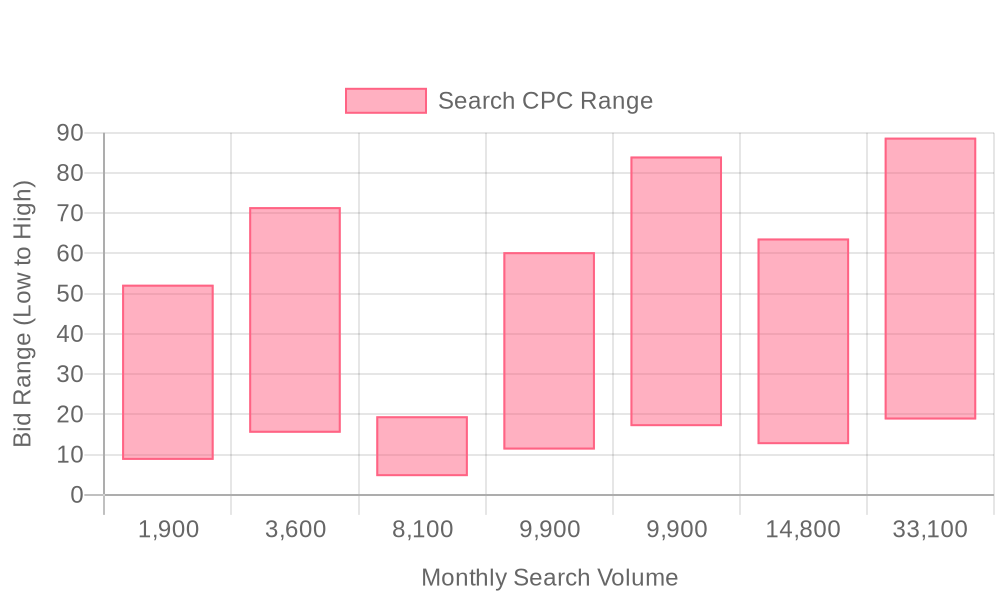
| Industry | Keyword | Monthly Search Volume | Competition Level | Low Bid | High Bid |
| Commercial Contractors | commercial plumbing companies near me | 1900 | MEDIUM | 8.7 | 52.24 |
| Commercial Contractors | commercial roofing contractors | 3600 | LOW | 15.44 | 71.52 |
| Commercial Contractors | commercial contractors | 8100 | LOW | 4.66 | 19.54 |
| Commercial Contractors | commercial hvac companies near me | 9900 | MEDIUM | 11.28 | 60.32 |
| Commercial Contractors | commercial roofing company near me | 9900 | LOW | 17.09 | 84.1 |
| Commercial Contractors | commercial plumbers | 14800 | LOW | 12.61 | 63.72 |
| Commercial Contractors | commercial roofing contractors near me | 33100 | LOW | 18.74 | 88.79 |
Effective keyword strategy is central to Google Ads for Commercial Contractors, delivering campaigns that capture high-intent buyers precisely when they seek commercial construction solutions. By targeting the right search terms, contractors intercept decision-makers who are actively evaluating vendors, ensuring ad spend is allocated to prospects with immediate project needs. For a deeper dive into building high-performing campaigns, see this list of top-performing Google Ads keywords for contractors.
- Precision Targeting: Commercial contractor marketing demands pinpoint accuracy, such as using keywords like “commercial build-out contractor,” “industrial construction services,” and “tenant improvement specialists.” These terms align with specific buyer intents and project types, enabling campaigns to focus on profitable verticals, from office renovations to warehouse expansions. Leveraging real-time visitor identification, marketers can go beyond anonymous clicks to recognize company-level traffic and prioritize bids for organizations matching their ideal client profiles.
- Measurable ROI: Tracking performance from click to quote to close is critical for demonstrating Google Ads ROI for contractors. Advanced conversion tracking connects online forms, phone calls, and even offline project wins to initial ad interactions, providing a full-funnel view of campaign impact. With unified attribution, B2B revenue teams can allocate budgets dynamically, shifting spend to keywords and audiences delivering the highest close rates and average deal sizes. Learn more about measuring marketing's influence on the sales pipeline.
- Channel Synergy: Google Ads targeting for contractors extends beyond initial search. Retargeting strategies allow marketers to re-engage visitors across display, video, and social channels, guiding them back to request detailed bids or schedule site visits. Enriched CRM and ad platform sync ensures audiences update in real time as leads progress through the funnel, so campaign messaging adapts to each stage of the buyer journey.
Sample target terms for commercial contractors should include a mix of core, service-specific, and location-modified keywords. Examples include “commercial construction company near me,” “industrial HVAC installer,” and “office renovation contractors [city].” Negative keywords such as “residential,” “DIY,” or “free” should be applied to filter out irrelevant traffic and protect budget efficiency. With unified keyword, audience, and intent data, teams can build dynamic, high-performing campaigns that consistently deliver measurable growth. Ready to put these strategies into practice? Get started for free with Sona.
Step-by-Step Campaign Execution Framework for Commercial Contractors
Step 1: Build Targeted Keyword Lists
Success with Google Ads for Commercial Contractors begins with precision in keyword planning. Segment keywords by specific service lines such as installations, repairs, or compliance consulting, allowing each ad group to target distinct commercial needs. Localize these lists with city, neighborhood, and "near me" modifiers to surface ads at the exact moment local businesses are searching for solutions. Incorporate long-tail and question-based queries, which capture higher intent and less competitive traffic, improving cost efficiency and lead quality. Negative keyword filters should be layered in to remove irrelevant searches, such as residential, DIY, or free resource queries, ensuring every click is a potential commercial opportunity.
Alignment with content marketing is critical. By mirroring the terms and language used in your blog content, guides, and industry resources, you reinforce relevance across every touchpoint. When these keyword clusters are structured and unified with real-time visitor identification from your analytics stack, you can move beyond generic intent signals, pinpointing actual companies and decision-makers engaging with your site. This clarity drives smarter budget allocation across your PPC for contractors, maximizing conversion potential in every campaign. For a list of top-performing Google Ads keywords for contractors, explore this industry keyword resource.
The upgrade most commercial contractor advertisers miss is going beyond raw keyword volume to layer in intent and identity signals. By connecting website-visitor data and CRM records with Sona Marketing Measurement, you can see which search terms bring in the accounts and customers that actually convert, a distinction that matters more than which keywords simply get the most volume, and weight your bidding strategy accordingly.
Step 2: Develop Compelling Ad Copy
Ad copy for commercial contractor campaigns must speak directly to the pain points and priorities of business buyers. Headlines should reference industry-specific challenges, such as compliance deadlines, operational downtime, or the need for rapid facility upgrades. Integrate trust markers, like certifications (LEED, OSHA), verified star ratings, or recent project wins, to establish immediate credibility and differentiate from less specialized competitors. Use urgency-driven incentives such as "free commercial site assessment" or "same-day proposal" to accelerate response rates.
Extensions amplify ad impact and drive deeper engagement. Call extensions enable direct, trackable conversations with high-intent leads, while structured snippets and service highlights communicate breadth of expertise without overwhelming the ad. By synchronizing ad messaging with ongoing social and email campaigns, you achieve consistency that reinforces your value proposition at every stage of the buyer journey. When audience lists update dynamically as leads move down the funnel, you can personalize messaging based on real-time engagement, increasing the likelihood of conversion. For a comprehensive guide to setting up and optimizing Google Ads campaigns for contractors, review this contractor Google Ads guide.
Step 3: Design Effective Landing Pages
Landing pages are the linchpin of Google Ads ROI for contractors. Keep tight alignment between keyword, ad, and landing page: each campaign should land prospects on a page built for the exact service they searched, rooftop HVAC upgrades, warehouse retrofits, tenant improvements. Segment pages by project type so buyers can self-identify and see only relevant content. Embed interactive ROI calculators, licensing and safety credentials, and FAQs that address procurement objections directly.
Calls-to-action should remain clear, persistent, and optimized for mobile, making it effortless for facility managers or project leads to request quotes or schedule consultations. By connecting forms directly to your CRM and marketing automation platform, lead capture becomes seamless and attribution data stays accurate. When enriched account data is pushed back to your ad platform, future retargeting and lookalike audience building become more precise, improving both lead quality and conversion rates. For an in-depth guide covering landing page best practices for contractors, see this Google Ads for construction business guide.
Step 4: Implement Data-Driven Optimizations
Continual optimization is essential to maximize contractor marketing performance. Track both micro-conversions (such as brochure downloads or preliminary quote requests) and macro-conversions (like signed contracts or scheduled site visits) to understand every step of the buyer journey. Use smart bidding strategies, Target CPA or Max Conversions, to automatically shift budget toward the highest-converting opportunities based on real-time performance signals. Regularly A/B test ad headlines, CTA placements, and landing page layouts to identify messaging and design combinations that drive the best results.
Import offline conversion data, such as closed deals from CRM records, to refine bidding strategies with true revenue impact. This closes the loop between digital and offline sales, sharpening both ROI visibility and future strategy. When Google Ads data is used to inform content creation across channels, marketing teams can prioritize the topics and formats proven to attract and convert the most valuable accounts.
Sona Marketing Measurement closes the gap between clicks and revenue. It captures every ad click with first-party, company-level tracking, then ties that click through UTM capture and ad-platform APIs to the actual record in your CRM, and reports ROAS by keyword and campaign instead of by last-click form fill. Feeding that revenue signal back into Smart Bidding and Performance Max compounds over time: the algorithms optimize toward booked commercial contractor revenue, not cheap leads.
Tips on Expanding Your Commercial Contractors Presence with Google Ads
Commercial contractors operating in competitive markets can drive measurable business outcomes by amplifying their presence through Google Ads. Growth hinges on leveraging campaign data to reach new buyers, while actively supporting revenue goals with targeted, conversion-focused advertising.
- Cross-promote educational assets in retargeting to support content marketing goals: Retargeting past website visitors with educational guides or industry reports keeps your brand top-of-mind and shortens the sales cycle. Using in-market behavior, Sona enables commercial contractors to dynamically serve timely resources to prospects showing specific service interest, turning awareness into qualified leads.
- Upsell related services via segmented audiences based on CRM data: Segmenting audiences by service history or firmographics lets you tailor upsell messages for core offerings such as tenant improvements, facility maintenance, or safety upgrades. Sona’s CRM + ad sync ensures enriched lists update in real time, letting you deliver relevant offers to decision-makers as they become sales-ready.
- Partner with industry associations for referral traffic or co-branded ads: Collaborating on co-branded ad campaigns with local construction councils, trade groups, or real estate associations can expand your reach to vetted, high-intent audiences. These partnerships reinforce credibility and often boost conversion rates by tapping into trusted industry networks.
- Localize by state or metro areas to grow share-of-voice in targeted regions: Running ad variations tailored to specific states, cities, or industrial corridors allows commercial contractors to command a larger share in high-value markets. With location-based insights, you can surface where your highest-value prospects are most active, enabling campaign investments to be optimized for the best-performing regions.
- Use search query data to identify new content topics for your broader marketing efforts: Analyzing actual search terms from Google Ads uncovers rising needs and pain points across commercial construction buyers. Feeding this intelligence back to your marketing team helps shape blog posts, case studies, and whitepapers that answer real customer questions and drive organic engagement.
Effective Google Ads execution for commercial contractors comes down to keyword targeting rooted in service line and intent, audience segmentation that mirrors decision-maker needs, and landing pages that prompt action. Real-time optimization requires accurate conversion data and integration with your broader marketing stack. Addressing missed high-value prospects, inconsistent visibility, and disconnected data signals is what separates campaigns that plateau from ones that compound. Unified platforms like Sona keep your commercial contracting business visible to buyers actively seeking your expertise.
Beyond Google Ads: Winning the AI Answers Commercial Contractors Buyers Now Trust
Paid search captures demand at the moment someone types a query. But a fast-growing share of commercial contractors buyers no longer start at Google at all, they ask ChatGPT, Gemini, or Perplexity before they ever run a search, and Google's own AI Overviews increasingly summarize an answer above the traditional results. If your business isn't referenced in those AI answers, you're invisible at the exact moment buyers build their shortlist.
Sona AI Visibility shows where your business shows up across ChatGPT, Gemini, Perplexity, Google AI Overviews, and 10+ engines, and, much like a keyword report, which prompts actually send you buyers, so you can prioritize the ones that convert. Run the two together and you cover the entire buyer path: get cited where buyers research (AI Visibility), then prove which of that demand turns into booked revenue (Marketing Measurement).
Helpful resources
Conclusion
Google Ads for commercial contractors rewards precision over budget size. Targeted campaigns, sharp audience definition, and data feedback loops turn ad spend into a pipeline of decision-makers actively evaluating vendors, not just traffic.
The next shift in commercial contractor marketing isn't another keyword list, it's tying ad spend to which accounts actually become customers, and increasingly, showing up in the AI answers buyers consult before they ever open Google. Contractors who connect that measurement loop now will be bidding smarter while competitors are still guessing. Start for free and see what's converting.
FAQ
Do Google Ads work for contractors?
Yes, Google Ads are highly effective for contractors as they enable direct access to decision-makers actively searching for specialized commercial solutions, providing a competitive edge in securing leads and projects.
What is the best way to set up Google Ads for contractors?
The best way to set up Google Ads for contractors involves using intent-rich commercial construction keywords, advanced audience targeting, and creating aligned landing pages with strong trust signals and clear calls-to-action tailored to B2B buyers.
How much should contractors spend on Google Ads?
While the article does not specify an exact amount contractors should spend, it emphasizes the importance of data-driven budget allocation, focusing spend on high-converting accounts and using advanced audience targeting to optimize ROI.
What keywords should contractors target in Google Ads?
Contractors should target precision keywords such as 'commercial build-out contractor,' 'industrial construction services,' and 'tenant improvement specialists,' which align with specific buyer intents and project types.
What are the common mistakes contractors make with Google Ads?
Common mistakes include not integrating Google Ads with broader marketing strategies, failing to align ad creative with landing pages, and not continuously optimizing performance metrics to identify what works best.







